Hidden Insights
Experience the possibilities with Business Analytics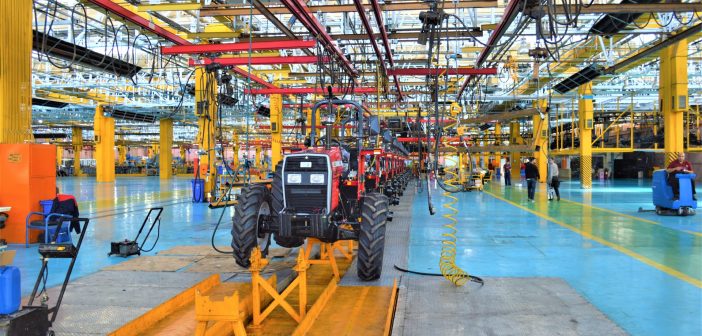

Conceptos como industria 4.0, Machine Learning, Deep Learning o transformación digital hace unos años generaban expectativas de lo más ambiciosas y eran motivo de inversión en las plantas industriales. Sin embargo, en muchos de los casos, el resultado de todo ello han sido multitud de proyectos piloto sin éxito y


La analítica y la ciencia de datos ofrecen un amplio abanico de oportunidades profesionales. Desde el equipo de Academics de SAS trabajamos de forma muy estrecha con las instituciones educativas para introducir estas disciplinas dentro de su oferta formativa, así como para ofrecer una primera oportunidad laboral a los estudiantes.


The use of AI in manufacturing is transforming the industry. How do AI technology and data insights fit into this trend? Vice President for SAS in the Nordics Keld Zornig sat down with Pasi Helenius, Manager for Customer Advisory Commercial and Manufacturing Nordics, for a talk on the topic of