SAS Voices
News and views from the people who make SAS a great place to work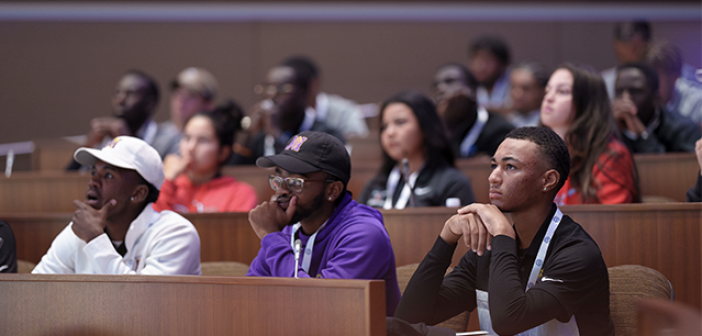

For another year, multiple golf teams from Historically Black Colleges and Universities (HBCUs) across the United States gathered in Cary, NC for the SAS HBCU Invitational Tournament. The tournament was part of the SAS Championship, a week-long event filled with networking, fun and golf. As part of the event, 16


Across a wide variety of industries, SAS users are leaning into the power of data to glean relevant insights and identify new opportunities. Through analytics, they are solving complex problems, discovering practical insights, and making a difference in their fields and communities. How can others join their efforts and use


The world’s largest rugby tournament returns for the knockout stages. This blog post explores how probability and simulation can be used to predict likely winners in each of the knockout stages. Team sports are dynamic, time-varying and complex topics to model. When modeling regular competitions, such as domestic leagues, it