SAS Voices
News and views from the people who make SAS a great place to work

Black History Month seems like an opportune time to comment on the recent pullback of DEI initiatives, particularly in tech, as a reminder of a historical story. It’s a story of the perpetual dance between social progress and regression as America’s historically marginalized communities are concerned. However, the significance of
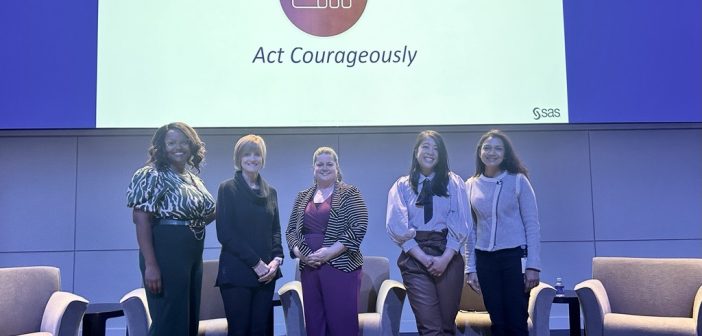

Women's voices are vital in technological development. Over the next few months, we will be highlighting women from diverse backgrounds as they share about their experiences in the tech industry. For the beginning of this series, we will focus on five women who were part of a panel at SAS


In 2024, fraud and financial crimes are rising in global banking due to an evolving economic environment and expanding technological capabilities that create new opportunities for fraudsters. In 2023, consumer-focused fraud increased, with attackers posing as energy firms, lottery companies and banks to extract sensitive information from unsuspecting victims. Inflationary pressure saw