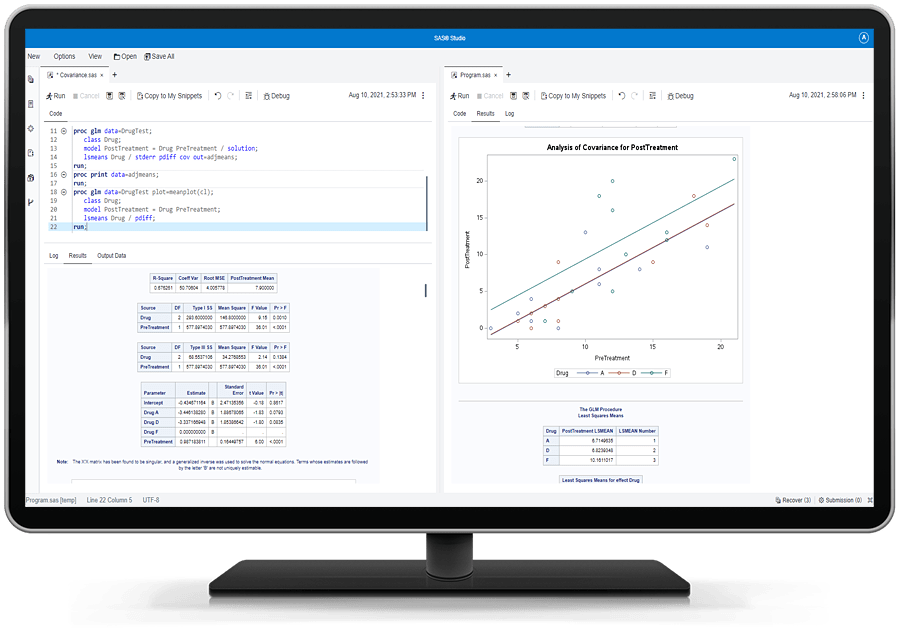
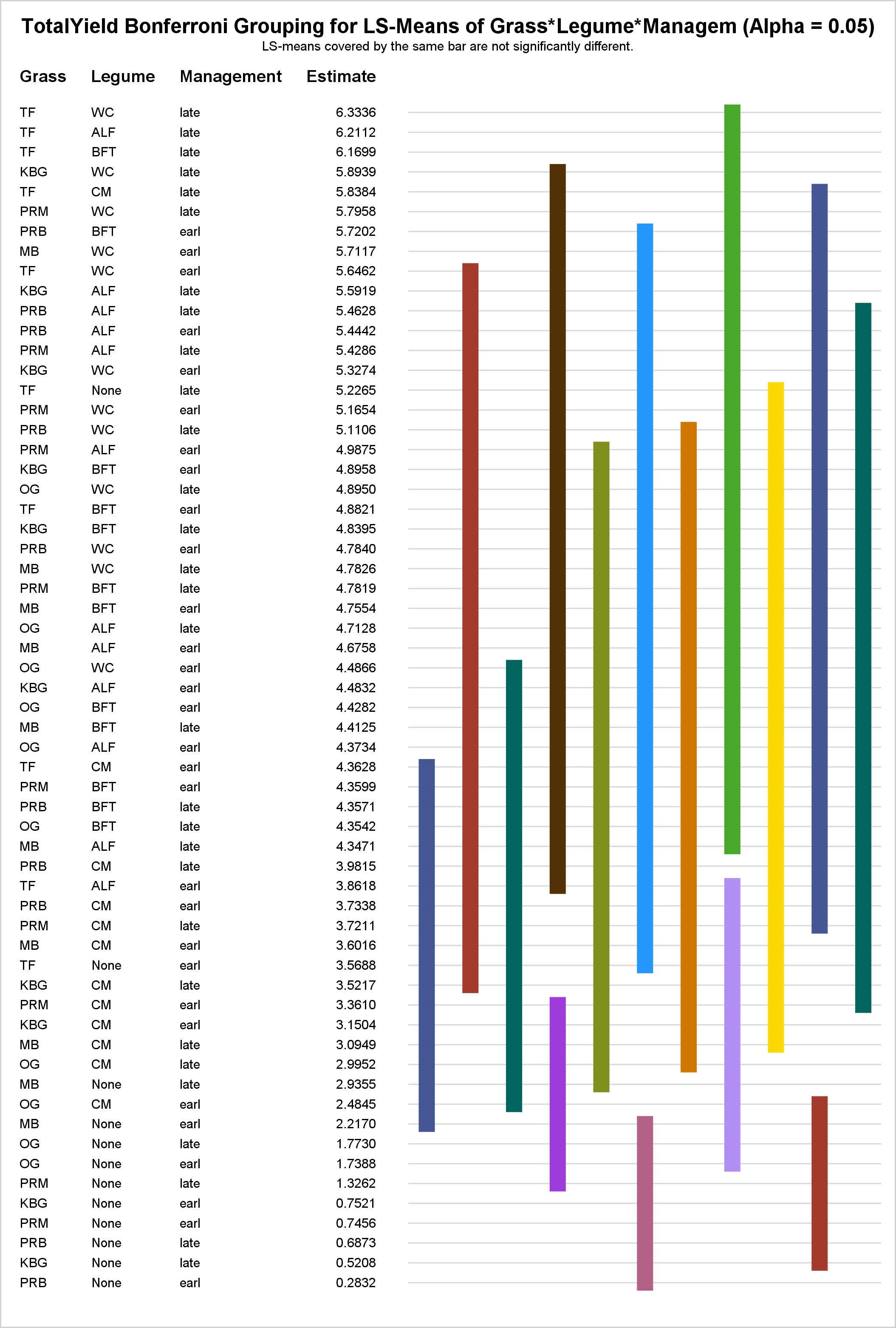
In PROC GLM and most other procedures that compute LS-means, mean comparisons are now displayed graphically. This makes comparisons between a large number of groups easier to interpret.
What do you think is the most important new feature in SAS/STAT? Well it depends! In this video, SAS developers talk about their new work and which customers will be excited about it and why. Healthcare professionals may lean toward the new rare events control charts in QC, which allows
If you are like me, you've experienced the following frustration. You are reading the SAS/STAT documentation, trying to understand some procedure or option, when you find an example that is very similar to what you need. "Great," you think, "this example will help me understand how the SAS procedure works!"
SAS/STAT offers a principled treatment of missing data in a frequentist paradigm. SAS' Michael Senter reveals how with a few code tweaks, you can seamlessly transition to a Bayesian analysis.
SAS software supports two kinds of procedures: interactive and non-interactive. Most SAS procedures are non-interactive. They begin with a PROC statement, include one or more additional statements, and end with a RUN statement. When SAS encounters the RUN statement, the procedure executes all statements, then exits. On the other hand,
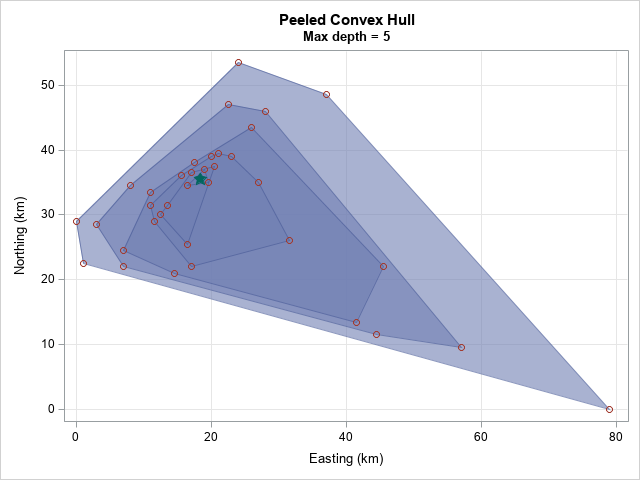
This article looks at a geometric method for estimating the center of a multivariate point cloud. The method is known as convex-hull peeling. In two-dimensions, you can perform convex-hull peeling in SAS 9 by using the CVEXHULL function in SAS IML software. For higher dimensions, you can use the CONVEXHULL
Statistical software provides methods to simulate independent random variates from continuous and discrete distributions. For example, in the SAS DATA step, you can use the RAND function to simulate variates from continuous distributions (such as the normal or lognormal distributions) or from discrete distributions (such as the Bernoulli or Poisson).
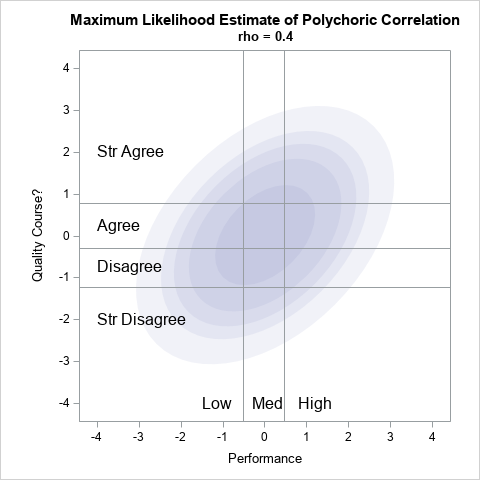
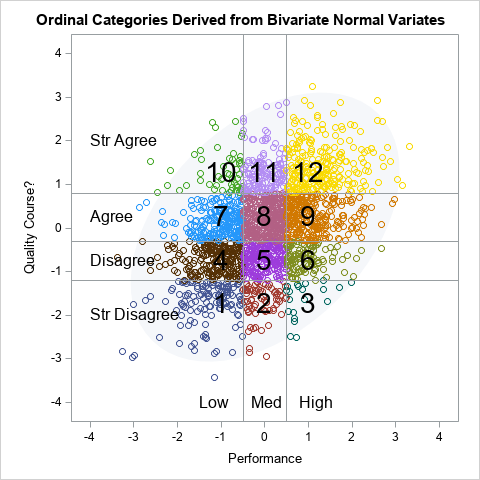
Correlation is a statistic that measures the association between two variables. When two variables are positively correlated, low values of one variable tend to be associated with low values of the other variable. Medium values and high values are similarly associated. For negative correlation, the association is flipped: low values
はじめに 因果効果の推定手法の1つである傾向スコアマッチング、およびSASでの実装方法について紹介します。傾向スコアマッチングのSASでの実装にあたっては、本記事ではSAS/STAT 14.2(SAS 9.4)で追加されましたPSMATCHプロシジャを使用します。因果推論の基本的な枠組みや傾向スコア・傾向スコアマッチングの統計的理論については、詳しく解説を行いませんので、そちらに関心がある方は書籍等を参考にしていただければ幸いです。 理想的なランダム化比較試験においては、ランダム化により治療群と対照群間で測定・未測定の交絡因子(confounders)の分布が期待的に等しくなるため、単純な群間比較によって治療(介入、曝露)の興味のあるアウトカムに対する効果を評価することが可能です。しかし、ランダム化が行われなかった実験研究や観察研究のデータから因果関係を見出そうとする場合には、一般に交絡(confounding)と呼ばれるという問題が生じます。これは簡単に述べると、治療群と対照群で集団の特性が異なることで2つの集団が比較可能ではない状況、治療群と対照群でのアウトカムの違いが治療だけではなく集団の特性の違いにも依存する状況を意味しています。つまり、ランダム化が行われなかった実験研究や観察研究のデータから因果効果を推定する際には、交絡を十分に制御した上で群間比較を行う必要があり、世間一般で因果効果の推定手法と呼ばれるものは、交絡を調整方法する方法だと認識していただいてよいかと思います。因果効果の推定手法は回帰や層別化、標準化など様々なものがありますが、本記事ではマッチング法に注目します。マッチング法は、治療群と対照群から類似した特徴を持つ被験者をペアとし(マッチングさせ)、マッチした対象集団において治療を受けた群と受けなかった群を比較するという方法です。 ただ、一言にマッチング法と言っても複数の交絡因子(共変量)の情報をそのまま用いる「共変量マッチング」と、共変量の情報を傾向スコアという一次元の情報に落とし込んだ上でマッチングを行う「傾向スコアマッチング」という2つの方法に大きく分かれます。初学者にとっては前者の方がより直感的な方法かと思いますが、共変量が高次元である場合や変数のカテゴリ数が多い場合にはその実施が困難になります。そのような場合にしばしば用いられるのが後者の傾向スコアマッチングです。マッチングには、治療群と対照群の構成比率やマッチング方法など様々なオプションがありますが、傾向スコアの分布が同じ(治療群と対照群が交換可能)であるmatched populationを作成するというのが共通の考え方です。また、傾向スコアマッチングの実施手順は連続である単一の共変量を用いた共変量マッチングと同様であり、大きくは以下のような手順となります。 【傾向スコアマッチング法のステップ】 共変量の特定、測定 傾向スコアのモデル指定、傾向スコアの推定 マッチングアルゴリズムの決定、マッチングの実施 マッチングした対象者で構成された集団(matched population)における治療群と対照群での交絡因子の分布評価 4.で評価した共変量が不均衡である場合には2.に戻る 群間比較の実施 推定結果の解釈 記法と仮定 記法 以下の記法の下で傾向スコアマッチングに関する議論を行います。アルファベットの大文字は確率変数を、小文字はその実数値を意味するものとします。なお、以降でボ-ルド体としている場合は単一の変数ではなくベクトルであることを意味しているものとします。 A:二値の治療変数 Y:観察されるアウトカム Ya:潜在アウトカム X:共変量(一般にはベクトル) 仮定 本記事では以下の識別可能条件を仮定します。理想的なランダム化比較試験においては研究デザインによってその成立が認められますが、観察研究ではあくまで”仮定”となります。つまり、その成立を認めることが妥当であるかどうかの議論が別途必要となることにご注意ください。また、各条件の詳細や意図する内容については本記事では取り扱いませんので、他の記事や書籍等をご参照ください。 【識別可能条件 (Identifiability assumptions) 】 一致性 (consistency) If Ai = a, then YiA = Yia = Yi 特にAが二値であるとき、 Yi = AYia=1 + (1-A) Yia=0 条件付き交換可能性 (conditional
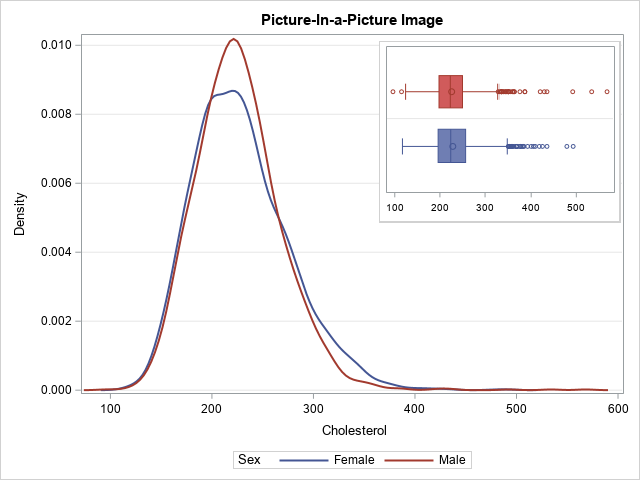
Did you know that you can embed one graph inside another by using PROC SGPLOT in SAS? A typical example is shown to the right. The large graph shows kernel density estimates for the distribution of the Cholesterol variable among male and female patients in a heart study. The small
Part of the power of the SAS ODS system is the ability to visualize data by using ODS templates. An ODS template describes how to render data as a table or as a graph. A lot of papers and documentation have been written about how to define a custom template
SoDA를 이용해 쉽게 배우는 데이터 과학 #1 SoDA(SAS OnDemand for Academics)는 SAS가 무료로 제공하는 교육용 데이터 분석 소프트웨어 프로그램입니다. 앞으로 4회에 걸쳐 'SoDA 를 이용해 쉽게 배우는 데이터 과학'을 자세히 소개해 드리도록 하겠습니다. SoDA란? SoDA (SAS OnDemand for Academics; SoDA)는 데이터 과학을 처음 배우는 입문자들에게 SAS를 무료로 배울 수 있도록
2023年を迎えて間も無く1ヶ月が経とうとしていますが、皆様はどのよう新年のスタートをされましたでしょうか。With コロナに向けた取り組みが社会的には広がり、自らが管理する時間が増えた中で、質の良い学習時間を確保することは社会人・学生問わず大変重要なことかと思います。 さて、SASでは学習および教育を目的とする方向けに、SAS® OnDemand for Academics (ODA) というアナリティクス・ソフトウェアを無料で提供しています。実は、このSAS ODAですが昨年末にログイン画面のアップグレードが行われ、提供されている各種機能へのアクセス方法がわかりやすくなりました。このブログ記事では、アップグレード後の SAS ODAについて紹介していきます。 ①ホーム画面(中央) 画面中央には大きく3つのセクションがあり、それぞれ下記の内容が提供されています。 Code with SAS® Studio すべての教員・学生・個人学習者を対象として、Webサイトにアクセスするだけで使用可能です 提供されている”タスク”からGUI的にSASコードを生成可能です(もちろん自分でコーディングすることも可能) SAS Studio上にプログラムファイルの新規作成、既存ファイルのアップロードが可能です(最大5GB) アクセス可能なSASソフトウェア一覧: SAS/STAT® Base SAS® SAS/IML® SAS/OR® SAS/QC® SAS/ETS® Learn SAS Programming Programming 1, Statistics 1といった統計学やプログラミングに関するいくつかのe-learningや、動画教材を提供しています SASソフトウェアや統計解析・機械学習を中心とした基礎的な知識、スキルをe-learningを通じて習得可能なオンライン学習プラットフォームSAS Skill Builder for Studentsを学生を対象として提供しています(大学ドメインのアドレスが必要) SASの認定資格に関するガイドをていきょうしています Collaborate with SAS Communities いくつかのSASに関連するコミュニティ情報が掲載されています プログラミングや解析にあたっての疑問点、Tipsを共有し、世界中のSASユーザーからコメントをもらうことが可能です ②ホーム画面(右) 初期状態では次の5つのアイコンが表示されます。 Files
A SAS programmer was trying to simulate poker hands. He was having difficulty because the sampling scheme for simulating card games requires that you sample without replacement for each hand. In statistics, this is called "simple random sampling." If done properly, it is straightforward to simulate poker hands in SAS.
A common question on SAS discussion forums is how to use SAS to generate random ID values. The use case is to generate a set of random strings to assign to patients in a clinical study. If you assign each patient a unique ID and delete the patients' names, you
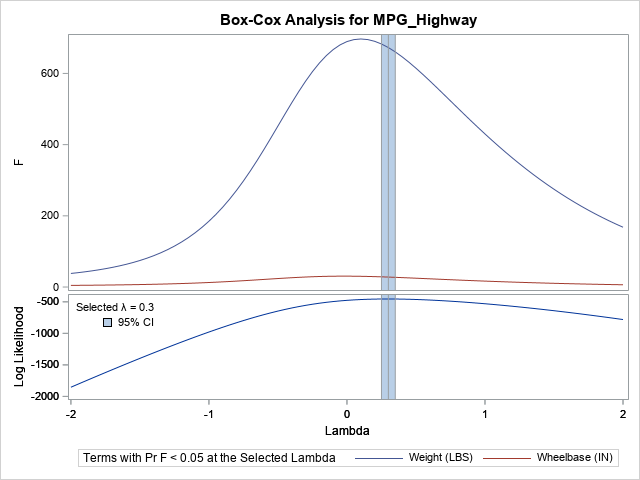
In the 1960s and '70s, before nonparametric regression methods became widely available, it was common to apply a nonlinear transformation to the dependent variable before fitting a linear regression model. This is still done today, with the most common transformation being a logarithmic transformation of the dependent variable, which fits
SAS' Michael Lamm gives an overview of Bayesian Additive Regression Trees (BART) and demonstrates training and scoring BART models in SAS Visual Statistics.
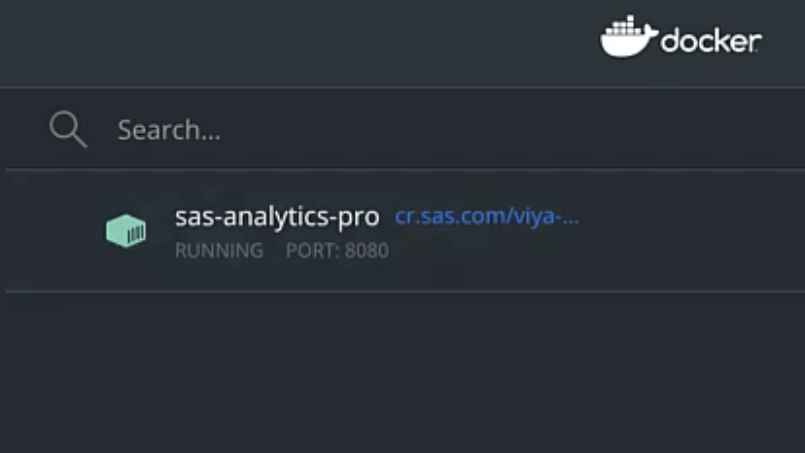
SAS Analytics Pro Advanced Programming offers key statistical capabilities in a docker container. The product bundles selected executables from SAS Viya to create the container, which eases or streamlines the setup required for fixes and updates to the software.
A common question on SAS discussion forums is how to randomly assign observations to groups. An application of this problem is assigning patients to cohorts in a clinical trial. For example, you might have 137 patients that you want to randomly assign to three groups: a control group, a group
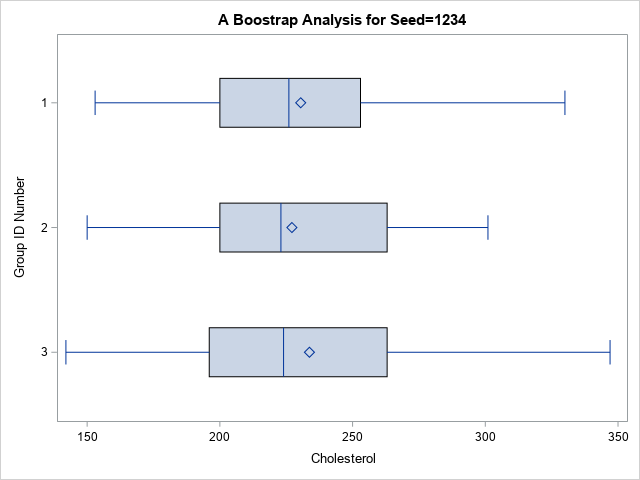
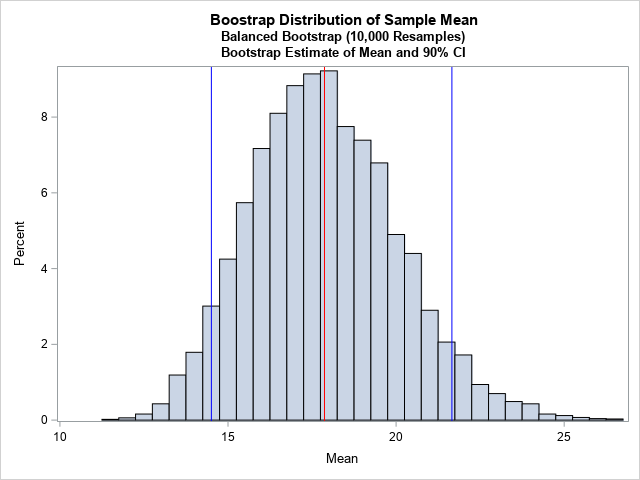
I have previously blogged about ways to perform balanced bootstrap resampling in SAS. I recently learned about an easier way: Since SAS/STAT 14.2 (SAS 9.4M4), the SURVEYSELECT procedure has supported balanced bootstrap sampling. This article reviews balanced bootstrap sampling and shows how to use the METHOD=BALBOOT option in PROC SURVEYSELECT
Welcome to this blog series on how to install SAS Analytics Pro on Viya on your personal MacBook. In this first post, we introduce what SAS Analytics Pro on Viya is and how to install the software.

A note from Udo Sglavo: At SAS, what we deliver to our customers is a product of creative minds thinking differently, challenging the norm, taking risks, and learning from trial and error (The greatest teacher, failure is). For the return of World Creativity & Innovation Week, we want to share

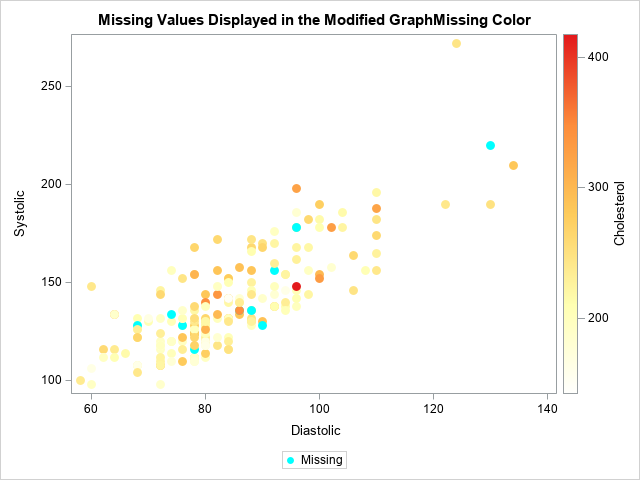
Oh, no! Your boss just told you to change the way that SAS displays certain features in graphs, such as missing values. But you have a library of hundreds of SAS programs! Do you need to modify all of your previous programs? Fortunately, the answer is no. SAS provides ODS

When I started working at SAS in 2005, one of the most popular ways to use SAS software was the SAS Analytics Pro bundle on SAS®9. And why not? It provided all the analytics power of trusty SAS Display Manager coupled with the elegance and ease of use of SAS®
An experienced SAS programmer recently switched to SAS Viya and asked how to discover what products are available on his version of Viya. We discussed a few older SAS 9 procedures, and I showed him a new Viya-specific way to get information about his version of SAS and his licensed
A team of SAS employees recently participated in a data-for-good project focusing on forest fires in the Amazon. In conjunction with the Amazon Conservation Association (ACA), the team explored options to collect and analyze publicly available imagery and fire data to better understand the drivers for forest fires as well
In a Q&A with SAS' Udo Sglavo, Xilong Chen of SAS parses the work of 2021 Nobel Prize winners for Economics.
When SAS 9 programmers transition to SAS Viya, there are inevitably questions about how new concepts in Cloud Analytic Services (CAS) relate to similar concepts in SAS. This article discusses the question, "What is the difference between a libref and a caslib?" Both are used to access data, but they
I attended a seminar last week whose purpose was to inform SAS 9 programmers about SAS Viya. I could tell from the programmer's questions that some programmers were confused about three basic topics: What are the computing environments in Viya, and how should a programmer think about them? What procedures
SAS Analytics Pro consists of three core elements of the SAS system: Base SAS®, SAS/GRAPH® and SAS/STAT®. The containerized deployment option adds the full selection of SAS/ACCESS engines making it even easier to work with data from virtually any source.