
Webpage scraping made easy with PROC HTTP

SAS Press author Matt Windham shows you how to use the SAS procedure PROC HTTP to grab raw data from a website.
SAS Press author Matt Windham shows you how to use the SAS procedure PROC HTTP to grab raw data from a website.
SAS Technical Support has had several requests from customers who want to use SAS® software to help download their files from a website when there is no application programming interface (API) to do it. This post shows how to automate downloads using PROC HTTP and DATA step, and how to use the HTTP DEBUG statement.
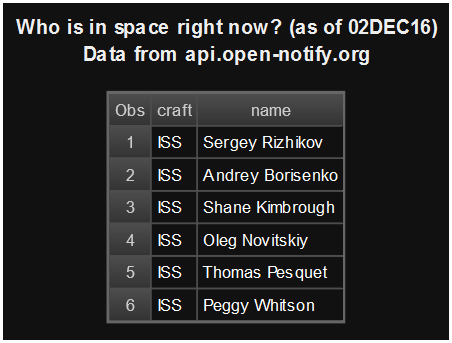
Using SAS with REST APIs is fun and rewarding, but it's also complicated. When you're dealing with web services, credentials, data parsing and security, there are a lot of things that can go wrong. It's useful to have a simple program that verifies that the "basic plumbing" is working before

Procurement has long been burdened by complexity – slow contract cycles, compliance risks and manual handoffs that eat away at time and efficiency. As AI matures beyond basic chat interfaces and static outputs, procurement leaders are beginning to witness the transition from manual inefficiency to automated agility. What makes agentic

In high-risk industries like construction and manufacturing, worker safety isn’t just a priority; it’s a constant challenge. Fast-moving environments, heavy machinery, and human unpredictability make it incredibly tough to monitor compliance and catch dangerous behavior before it leads to injury. As data scientists, we wanted to tackle that challenge head-on.
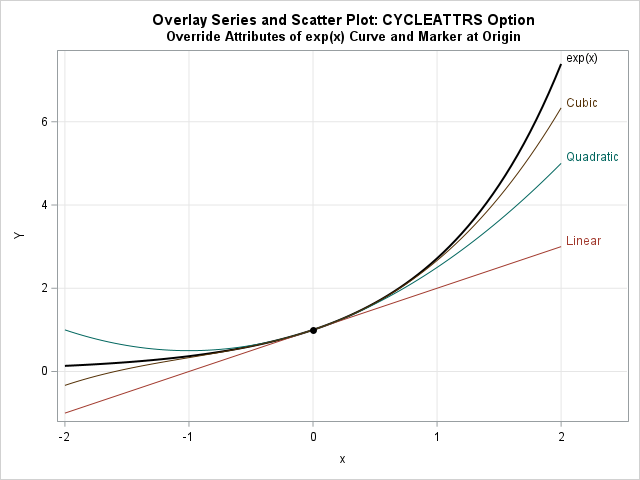
I've often wondered about the logic that the SGPLOT procedure in SAS uses to determine whether a set of graphical overlays will receive identical attributes or different attributes. (Recall that color, size, line style, and marker symbol are all examples of attributes.) I know that when you plot grouped data

SAS Viya now includes built-in bias mitigation in its machine learning procedures to help users develop ethical and trustworthy AI models by automatically detecting and reducing bias during training.
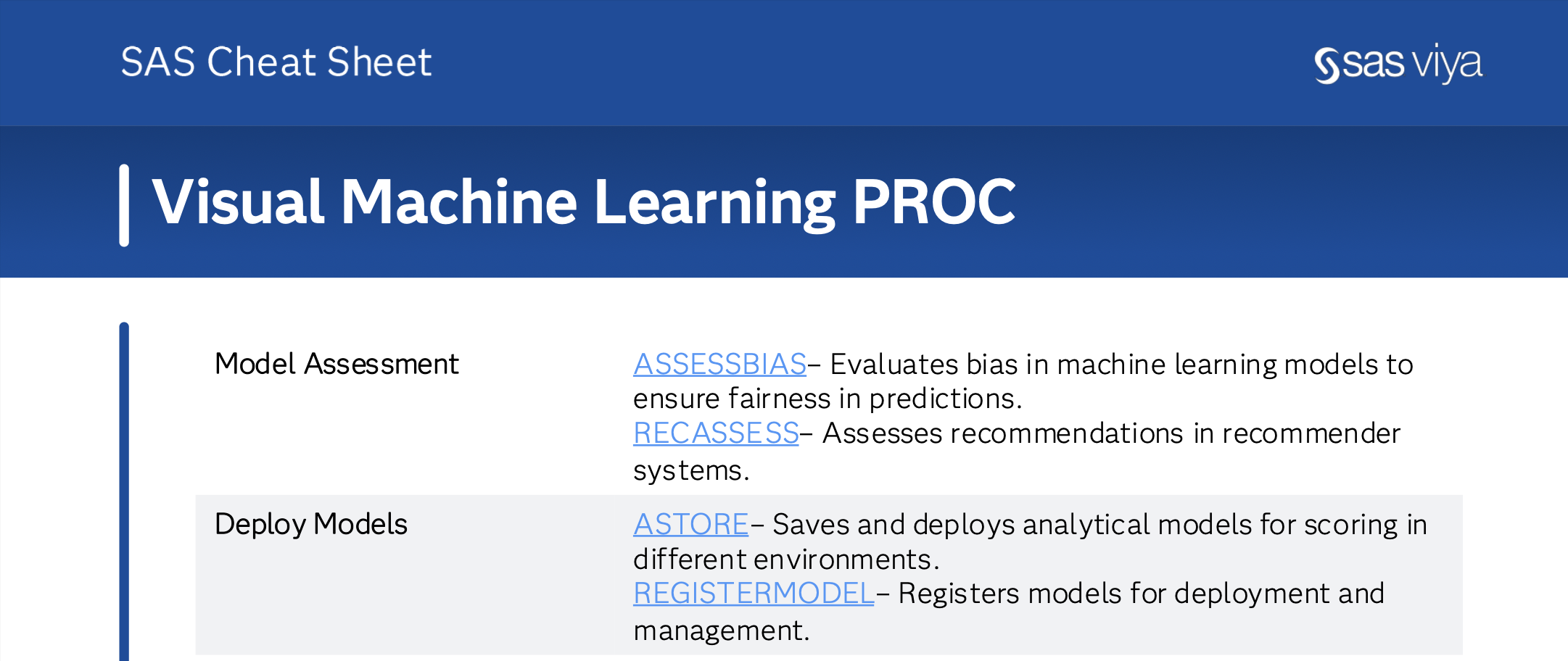
A practical guide to SAS Procedures in Viya 4, introducing their purpose, showcasing real-world examples, and highlighting a new downloadable cheat sheet that simplifies navigation across SAS’s advanced analytics portfolio.
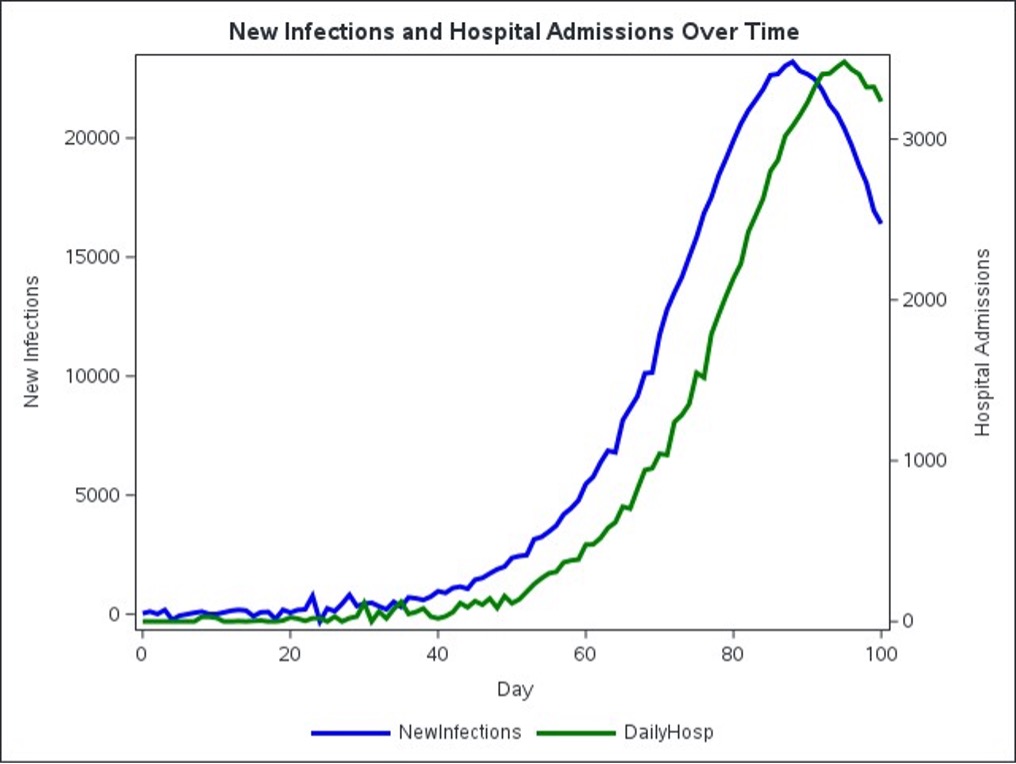
Accurately identifying lag structures between related time series is essential in public health forecasting, particularly during epidemics where delays between infections and hospitalizations affect planning. Using a simulated SEIR model and SAS Viya’s PROC TSSELECTLAG, distance correlation is shown to outperform Pearson correlation by correctly identifying nonlinear lag relationships—such as the true seven-day lag between new infections and hospital admissions.
SAS programmers love to brag that the SAS will still run a program they wrote twenty or forty years. This is both a blessing and a curse. It's a blessing because it frees the statistical programmer from needing to revisit and rewrite code that was written long ago. It's a
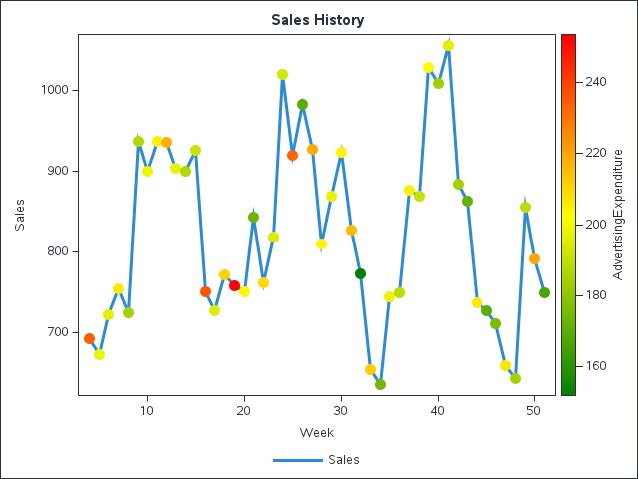
SAS's Kevin Scott explains how to set up and analyze a dataset for forecasting in SAS Viya with a particular emphasis on selecting lags for dynamic models

AI and automation – often referred to as hyperautomation – are evolving rapidly with industry experts emphasizing their increasing ability to operate independently and make intelligent decisions. By combining powerful generative AI with business expertise, organizations can accelerate and streamline their processes like never before. I recently sat down with Mayank
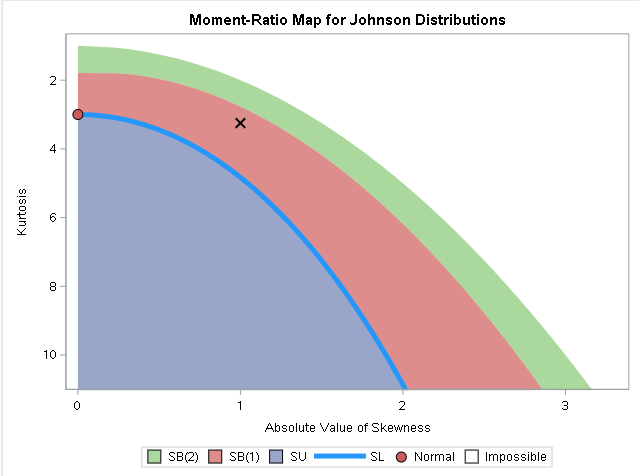
When the SAS Global Forum 2020 conference was cancelled by the global COVID-19 pandemic, I felt sorry for the customers and colleagues who had spent months preparing their presentations. One presentation I especially wanted to attend was by Bucky Ransdell and Randy Tobias: "Introducing PROC SIMSYSTEM for Systematic Nonnormal Simulation".
SAS software supports two kinds of procedures: interactive and non-interactive. Most SAS procedures are non-interactive. They begin with a PROC statement, include one or more additional statements, and end with a RUN statement. When SAS encounters the RUN statement, the procedure executes all statements, then exits. On the other hand,

It is unfortunate, but the procurement process is rife with the potential for loss, waste, abuse, and fraud. It requires many different steps to be performed by different departments, including ethics and compliance, audit, procurement, and fraud investigation. Procurement has also been somewhat slower to develop and adopt the kind

Adding linguistic techniques in SAS NLP with LLMs not only help address quality issues in text data, but since they can incorporate subject matter expertise, they give organizations a tremendous amount of control over their corpora.

Imagine if your job was to sort a massive pile of 40,000 stones into about 200 buckets based on their unique properties. Each stone needs to be carefully examined, categorized and placed in the correct bucket, which takes about five minutes per stone. Fortunately, you’re not alone but part of

In a previous post, we explored the intricacies of panel data regression. We unveiled a range of panel models and demonstrated their application in estimating cigarette demand by using the CPANEL procedure. However, achieving reliable insights in the realm of panel data regression requires addressing practical challenges. These would include

En el último año se ha observado la llegada de nuevos inversores extranjeros a México, sobre todo por la parte de la industria manufacturera, que ha traído consigo crecimiento económico para el país. De acuerdo con datos de la Asociación para la Tecnología de Manufactura (AMT, por sus siglas en

Panel data are commonly used in today’s economics research. Panel data regression stands out as a powerful tool that aids in unraveling trends and patterns that evolve over time. This tool is particularly valuable when considering hidden factors in the investigations of cause-and-effect relationships. In this post, you will be
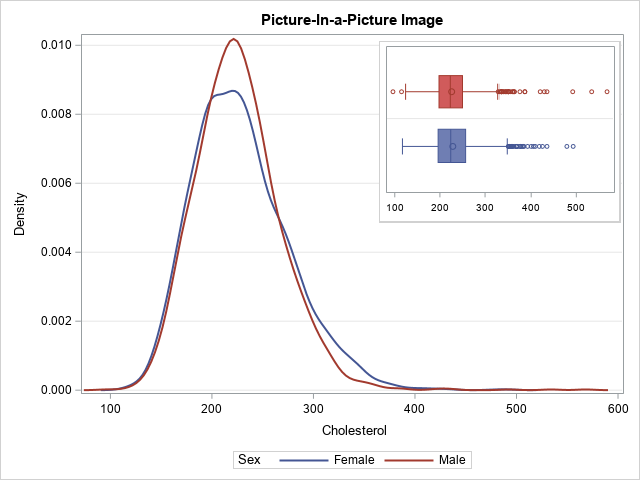
Did you know that you can embed one graph inside another by using PROC SGPLOT in SAS? A typical example is shown to the right. The large graph shows kernel density estimates for the distribution of the Cholesterol variable among male and female patients in a heart study. The small
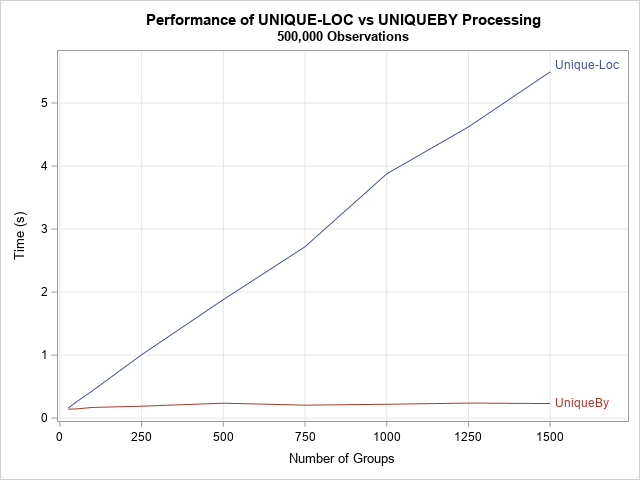
Many SAS procedures support a BY statement that enables you to perform an analysis for each unique value of a BY-group variable. The SAS IML language does not support a BY statement, but you can program a loop that iterates over all BY groups. You can emulate BY-group processing by

Some readers read the article “how-to-evaluate-sas-expression-in-data-step-dynamically” and wonder if there is a same mechanism or functionality in DS2. As indicated in that article, SAS provides similar features in DATA step, PROC CAS and PROC Python, but some projects like ESP (Event Stream Processing) projects would store those expression definition in
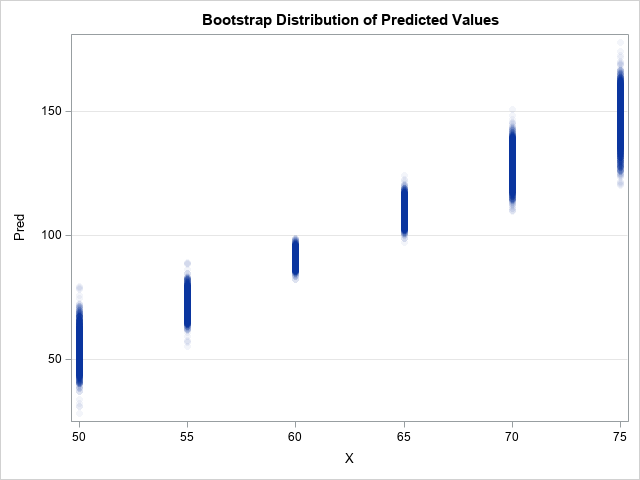
A previous article shows how to use the MODELAVERAGE statement in PROC GLMSELECT in SAS to perform a basic bootstrap analysis of the regression coefficients and fit statistics. A colleague asked whether PROC GLMSELECT can construct bootstrap confidence intervals for the predicted mean in a regression model, as described in
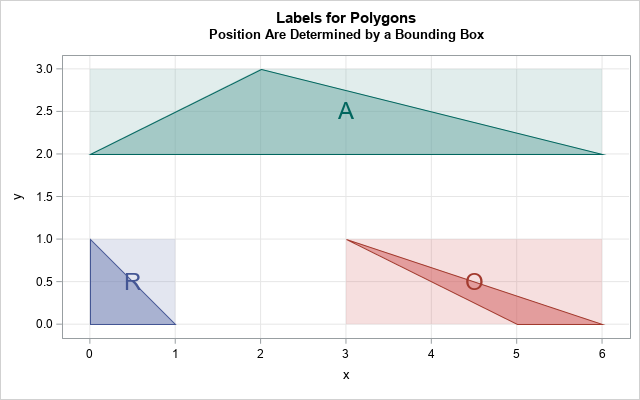
Labeling objects in graphs can be difficult. SAS has a long history of providing support for labeling markers in scatter plots and for labeling regions on a map. This article discusses how the SGPLOT procedure decides where to put a label for a polygon. It discusses the advantages and disadvantages
SAS' Kathryn McLawhorn reveals an elegant option to introduce dynamic header data using DATA step logic and the FORMAT procedure.

SAS' Ali Dixon and Mary Osborne reveal why a BERT-based classifier is now part of our natural language processing capabilities of SAS Viya.

Which SAS technique should you use? Consider how often the program is to be run, your comfort level and more.
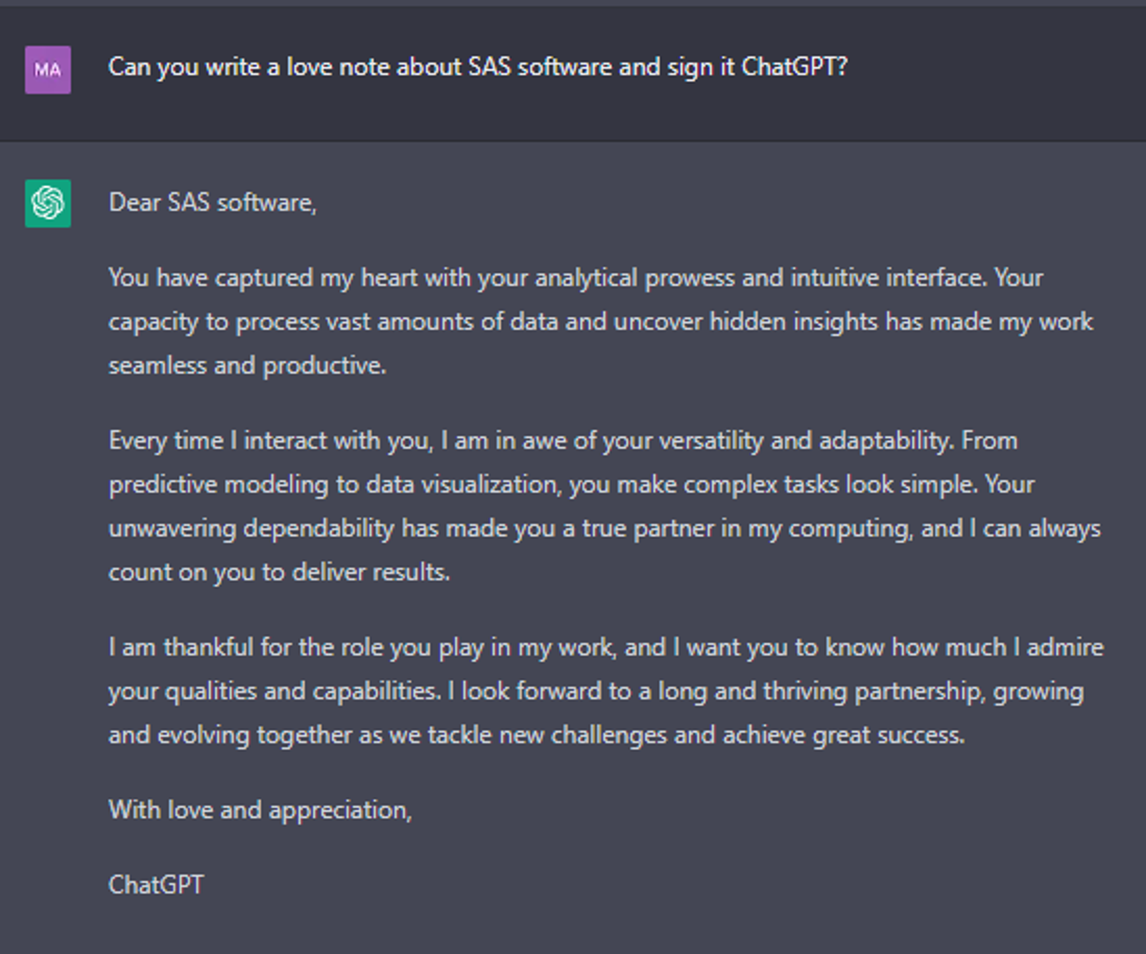
How did we get to a place where a conversational chatbot can quickly create a personalized letter? Join us as we explore some of the key innovations over the past 50 years that help inform us about how to respond and what the future might hold.

SAS' Sylvia Kabisa shows you how an online media company might use SAS to offer targeted discounts through personalized pricing.