All Posts
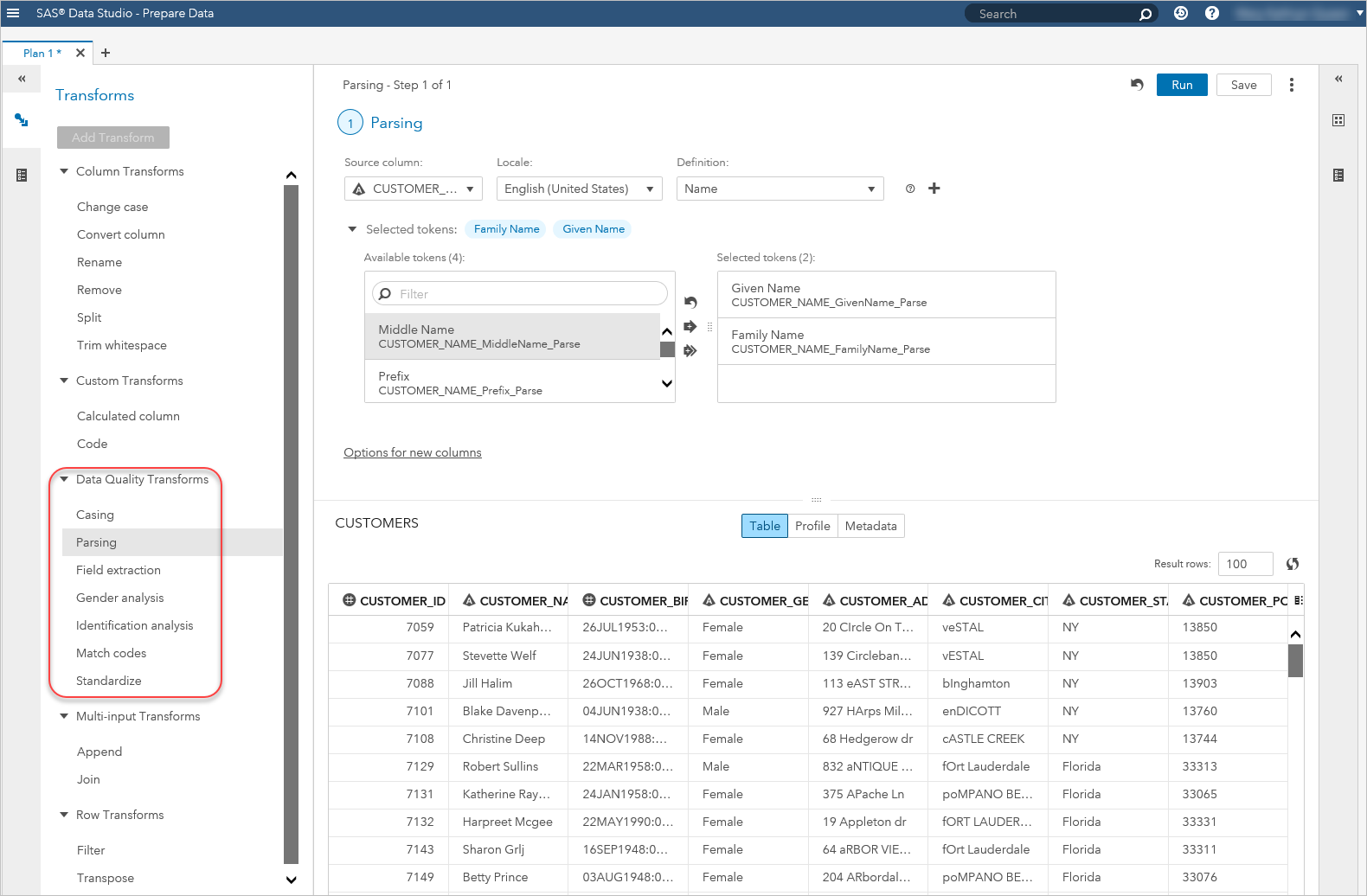

SAS Data Preparation 2.1 is now available and it includes the ability to perform data quality transformations on your data using the definitions from the SAS Quality Knowledge Base (QKB). The SAS Quality Knowledge Base is a collection of files which store data and logic that define data quality operations


Jim Harris says a data-driven business can make decisions faster, using better data, with more transparency about results.
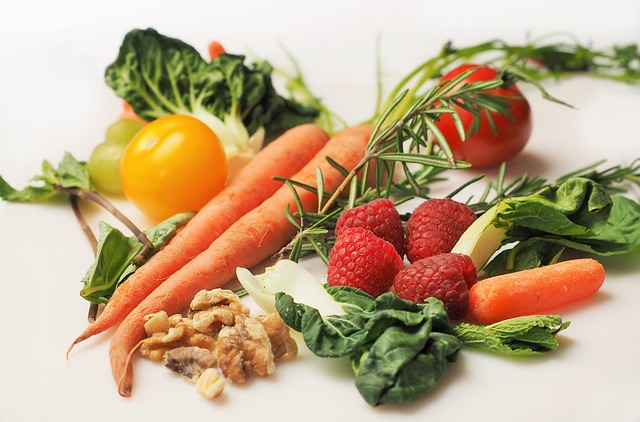

It’s that time of year again! Time for colds and runny noses and sniffles and sneezing. With an 11 month old in daycare, I am very aware that it is cold and flu season. Luckily there are plenty of things that can be done to help prevent colds and other
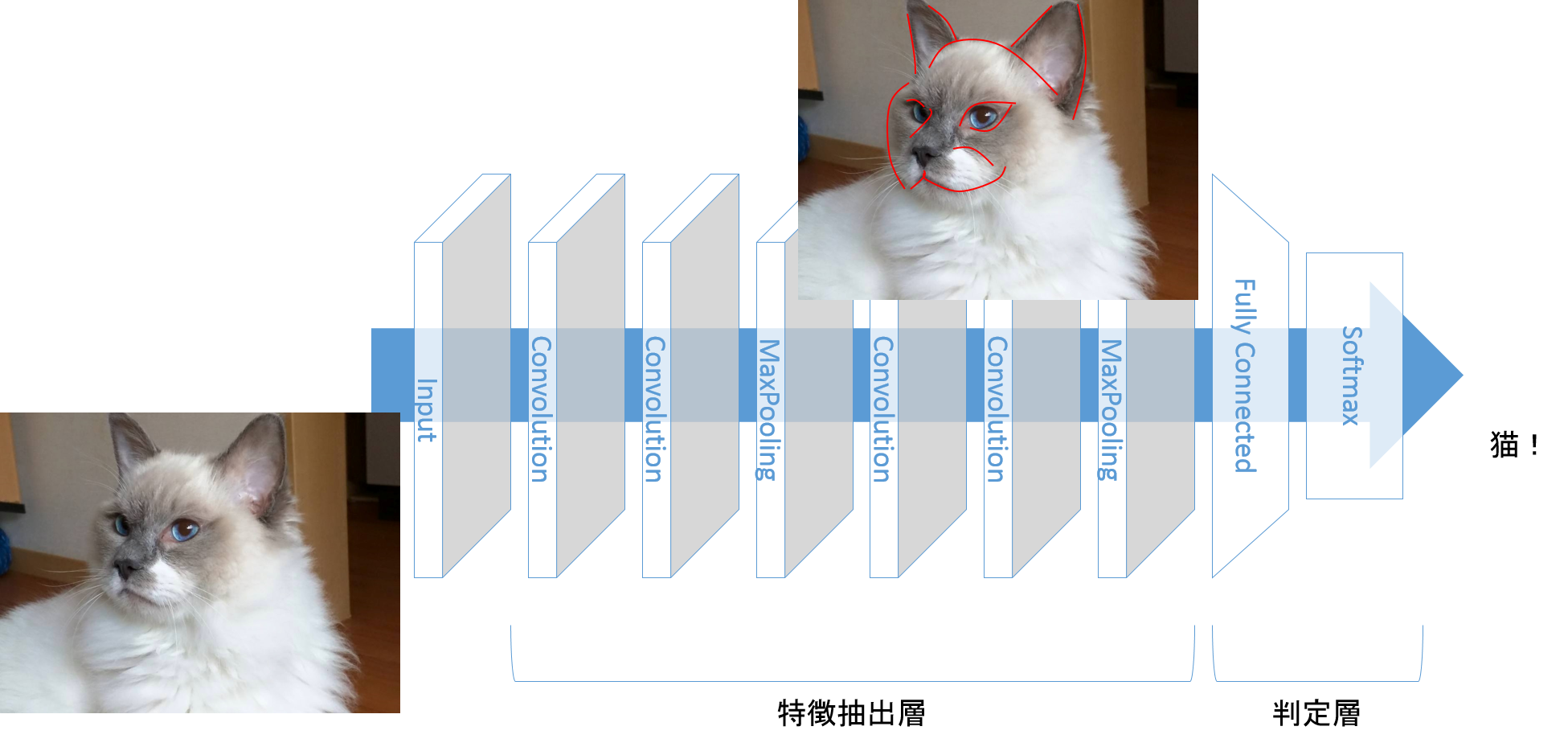

SAS Viyaがリニューアルされまして、ついにディープラーニングが登場しました! SAS ViyaのディープラーニングではオーソドックスなDeep Neural Network(DNN)から、画像認識で使われるConvolutional Neural Network(CNN、畳込みニューラルネットワーク)、連続値や自然言語処理で使われるRecurrent Neural Network(RNN、再帰的ニューラルネットワーク)まで利用可能になります。 ディープラーニングを使うことのメリットは、従来の機械学習やニューラルネットワークが苦手としている画像や文章を認識し、高い精度で分類や推論することが可能になります。 高い精度というのは、ディープラーニングのモデルによっては人間の目よりも正確に画像を分類することができるということです。 例えばコモンドールという犬種がありますが、この犬はモップのような毛並みをしていて、人間ではモップと見間違えることがあります。 これは犬? それともモップ? こういう人間だと見分けにくい画像に対しても、ディープラーニングであれば、人間よりも正確に犬かモップかを見分けることができるようになります。 というわけで、今回はSAS Viyaのディープラーニングを使って画像分類をしてみたいと思います。 ディープラーニングの仕組み 画像分類のディープラーニングではCNNを使います。 CNNは画像の特徴を探し出す特徴抽出層と特徴から画像を分類する判定層で構成されています。 特徴抽出層は主に畳込み層とプーリング層で構成されています。 畳込み層で入力画像に対し、ピクセルの特徴(横線の有無とか斜め線とか)を探し出し、プーリング層で重要なピクセルを残す、という役割分担です。 判定層は、特徴抽出層が見つけた特徴をもとに、画像の種類を分類します。 例えば犬と猫の分類であれば、特徴抽出層が入力画像から、面長で大きな鼻の特徴を見つけだし、犬と分類します。 または、丸っこい顔立ちと立った耳の特徴を見つけだし、猫と分類します。 SAS Viyaで画像を扱う SAS ViyaディープラーニングでCifar10をネタに画像分類をしてみたいと思います。 Cifar10は無償で公開されている画像分類のデータセットで、10種類の色付き画像60,000枚で構成されています。 各画像サイズは32×32で、色はRGBです。 10種類というのは飛行機(airplane)、自動車(automobile)、鳥(bird)、猫(cat)、鹿(deer)、犬(dog)、蛙(frog)、馬(horse)、船(ship)、トラック(truck)で、それぞれ6,000枚ずつ用意されています。 画像は総数60,000枚のうち、50,000枚がトレーニング用、10,000枚がテスト用です。 画像データは以下から入手することができます。 https://www.cs.toronto.edu/~kriz/cifar.html さて、Cifar10を使って画像分類をしてみます。言語はPython3を使います。 SAS Viyaで画像分類をする場合、まずは入手したデータをCASにアップロードする必要があります。 CASはCloud Analytics Servicesの略称で、インメモリの分散分析基盤であり、SAS Viyaの脳みそにあたる部分です。 SAS Viyaの分析は、ディープラーニング含めてすべてCASで処理されます。 CASではImage型のデータを扱うことができます。 Image型とは読んで字のごとくで、画像を画像フォーマットそのままのバイナリで扱えるということです。


No cabe duda que la tecnología Blockchain está llamada a ser una de las grandes revoluciones en el mundo en los próximos años. Se ha llegado a afirmar que hará por las transacciones lo que internet ha hecho por la información y las comunicaciones; va a cambiar definitivamente la forma


The SAS language is large. Even after 20+ years of using SAS, there are many features that I have never used. Recently it became necessary for me to learn about DICTIONARY tables in PROC SQL (and the associated SASHELP views) because I needed to programmatically obtain the text for the
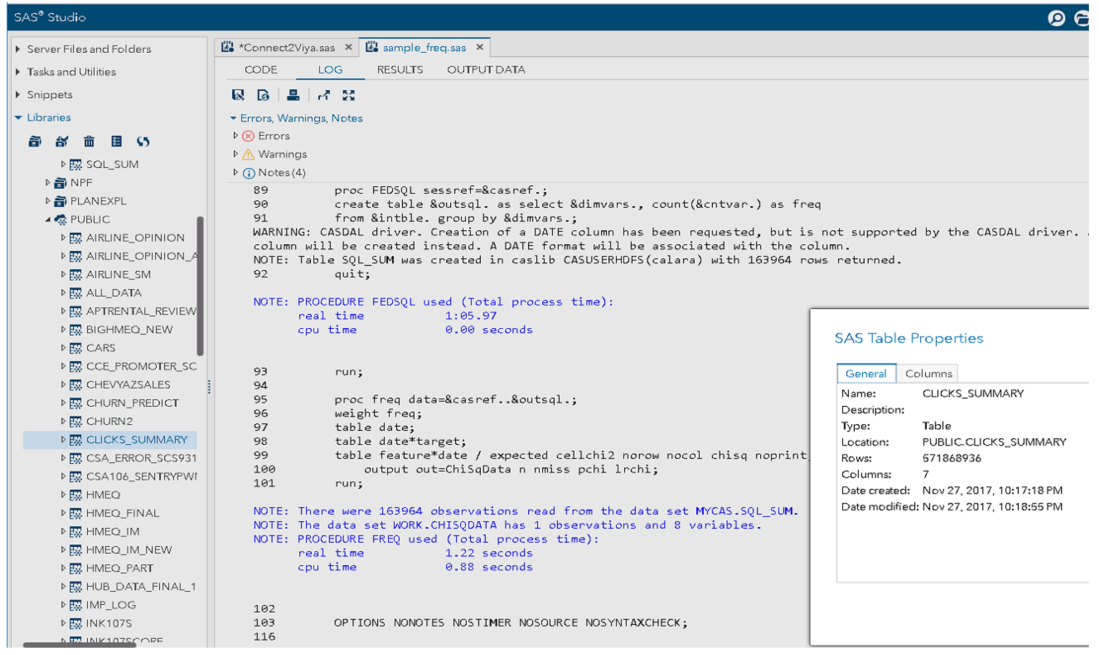

PROC FREQ is one of the most popular procedures in the SAS language. It is mostly used to describe frequency distribution of a variable or combination of variables in contingency tables. However, PROC FREQ has much more functionality than that. For an overview of all that it can do, see
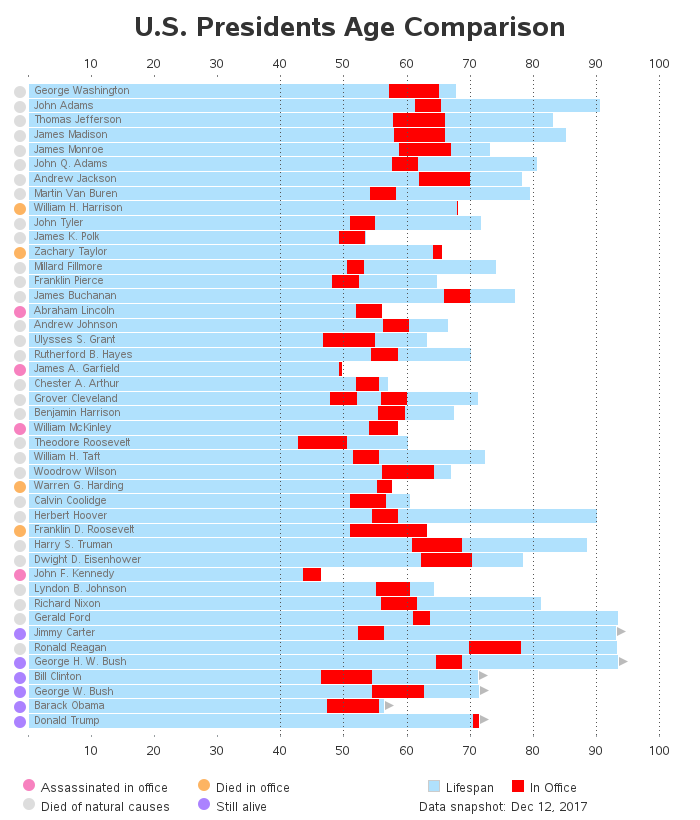

Donald Trump is pretty spry and energetic for an old guy - he's currently 71 years old, and seems to have more energy than I do (and I'm about 20 years his junior). But is he the oldest US president? Well, as with many questions ... it depends. Follow along
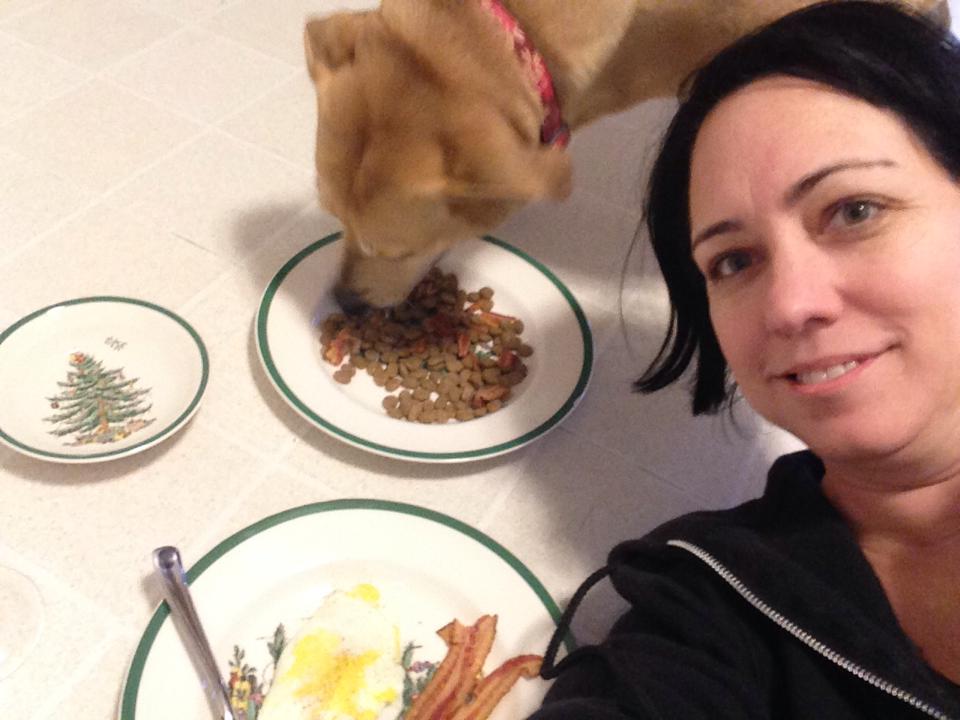

Driving to work today I was thinking about the "funk" that has descended upon me over the last few weeks. Shorter days and less light? Dry skin and a stuffy nose? Old and cranky? Maybe all of those are true, but as I reflect, I realize it happens every year
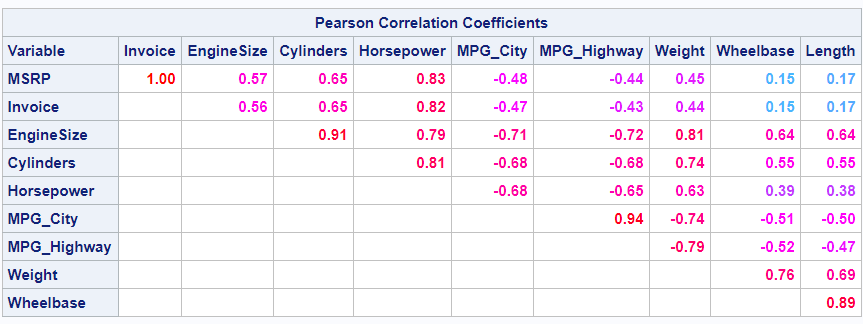

This post shows ways to display the upper or lower triangle of a correlation matrix. You can also use colors to show the magnitude of the correlations.

La creación de un Viceministerio de Economía Digital adscrito al Ministerio de Tecnologías de la Información y las Comunicaciones, ubica a Colombia en un nivel de liderazgo frente a la región, lo cual llevará al país a establecer bases importantes para la transformación de varias industrias y sectores económicos. Además, se podrán desarrollar
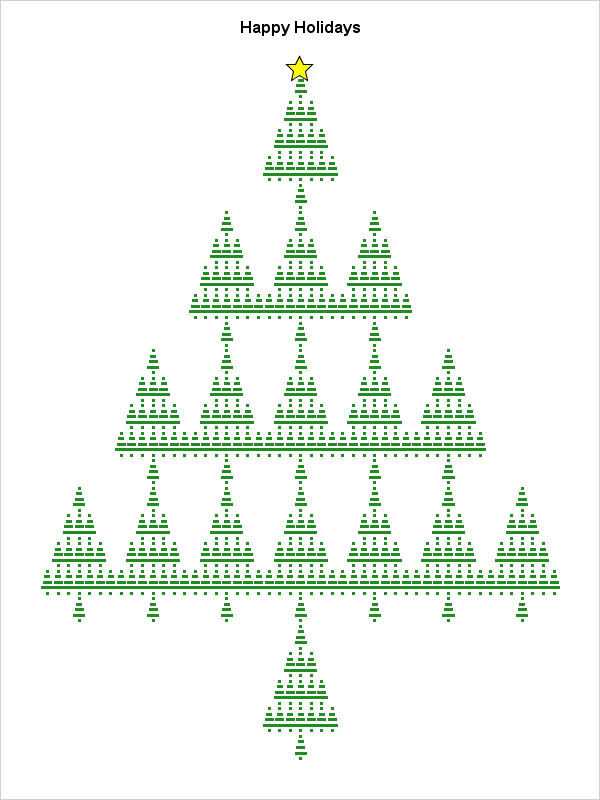
Happy holidays to all my readers! My greeting-card to you is an image of a self-similar Christmas tree. The image (click to enlarge) was created in SAS by using two features that I blog about regularly: matrix computations and ODS statistical graphics. Self-similarity in Kronecker products I have previously shown


Me gustaría que se situara algunos años atrás, cuando cursaba algún grado de primaria, su madre seguramente trataba de que llegara con bien a la escuela y que no perdiera las prendas, en especial el suéter que traía bordado su nombre, estoy completamente segura de que en alguna ocasión lo llegó


It's that time of year, once again, when I take a traditional Christmas song or carol and create a fun technology-related version of it to share with all of you. This is the fourth year and the seventh song, so I hope you enjoy your holiday song for 2017: AI

From national parks and healthcare to taxes and nutrition, federal civilian agencies feature an incredibly large and diverse set of missions. These agencies oversee almost every aspect of American life with an endless sea of projects, programs and general oversight. But, as Deloitte Consulting’s Mark Urbanczyk said during a recent