All Posts

Learn how to use the SGPLOT procedure for graphical representation when you perform statistical analysis for a quadratic ANCOVA model with the GLM procedure.


I recently sat down with Colin Wright, Global Solutions Director of Retail & Consumer Goods at Microsoft, to explore the opportunities that SAS and Microsoft’s new strategic partnership creates for retailers around the world. Retailers are awakening to the fact that the near limitless scale and compute power of the


최근 SAS는 클라우드에서 AI와 분석의 미래를 더욱 구체화하기 위해 마이크로소프트와 새로운 전략적 파트너십을 체결했습니다. 이번 파트너십으로 SAS 고객은 클라우드 환경에서 훨씬 수월하게 분석을 수행할 수 있습니다. 또한 SAS의 AI 및 분석 솔루션과 마이크로소프트 애저(Azure)의 긴밀한 통합으로 수백만 명의 애저 고객은 SAS 기술을 편리하게 활용하여 분석 성능을 한층 개선할 수 있습니다.
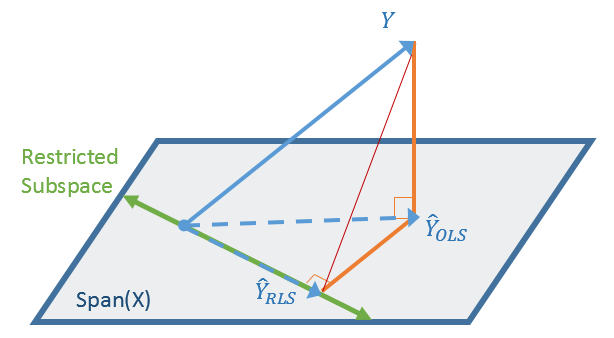

A data analyst recently asked a question about restricted least square regression in SAS. Recall that a restricted regression puts linear constraints on the coefficients in the model. Examples include forcing a coefficient to be 1 or forcing two coefficients to equal each other. Each of these problems can be

The popular image of data scientists is very much a bit of a geek or nerd. However, that’s not strictly accurate. It may not be – as Harvard Business Review famously suggested – the sexiest job of the 21st century. But it is a long way from the perceived world


Las compañías son hoy más conscientes que nunca de la necesidad de basar su toma de decisiones de negocio en datos para que éstas sean lo más objetivas y fundamentadas posible. Esta tendencia está teniendo un impacto en la demanda de perfiles analíticos, capaces de interpretar los datos y extraer
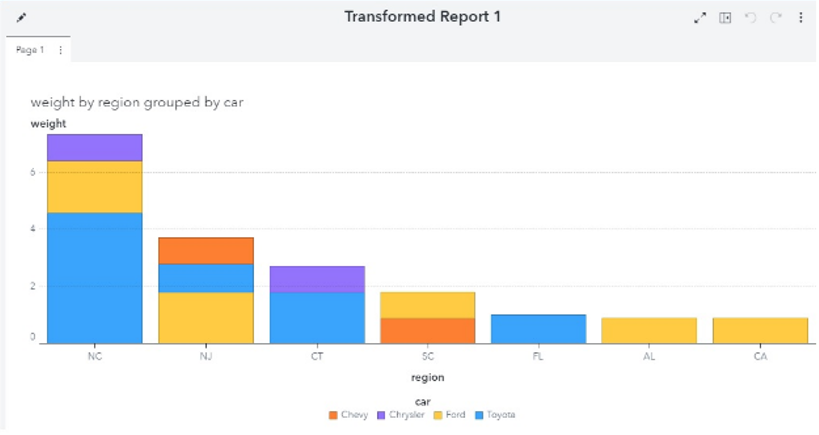

There are three types of visualization APIs defined in the SAS Viya REST API reference documetation: Reports, Report Images and Report Transforms. You may have seen the posts on how to use Reports and Report Images. In this post, I'm going to show you how to use the Report Transforms


Right now people are living with a great amount of grief and uncertainty. We can’t dismiss our feelings or our very justified worries and concerns. However, we can have a both/and way of thinking. It may help to think of it this way: When we are anxious or uncertain, our


A note from Udo Sglavo: In Digital transformation, scientific computing, and peace of mind, I mention that the COVID-19 pandemic is paralyzing the world. However, new challenges are also inspiring new ideas to tackle those challenges. We might ask questions about what is causal in nature, trying to figure out


¿Por qué es hoy el mejor momento para migrar a la nube? Porque su conveniencia, ubicuidad y flexibilidad permiten que una organización siga operando sin interrupción en situaciones normales y extraordinarias, ya sea una crisis económica, política, natural o sanitaria como la actual. Pero también porque la nube ha alcanzado


Os algoritmos de mineração de dados podem ser divididos em 4 grupos, a saber: aprendizado supervisionado, aprendizado não-supervisionado, aprendizado semissupervisionado e aprendizado por reforço. Embora os dois primeiros sejam vastamente conhecidos e implementados, os dois últimos não possuem a mesma popularidade. Mas, como veremos a seguir, isso não se deve
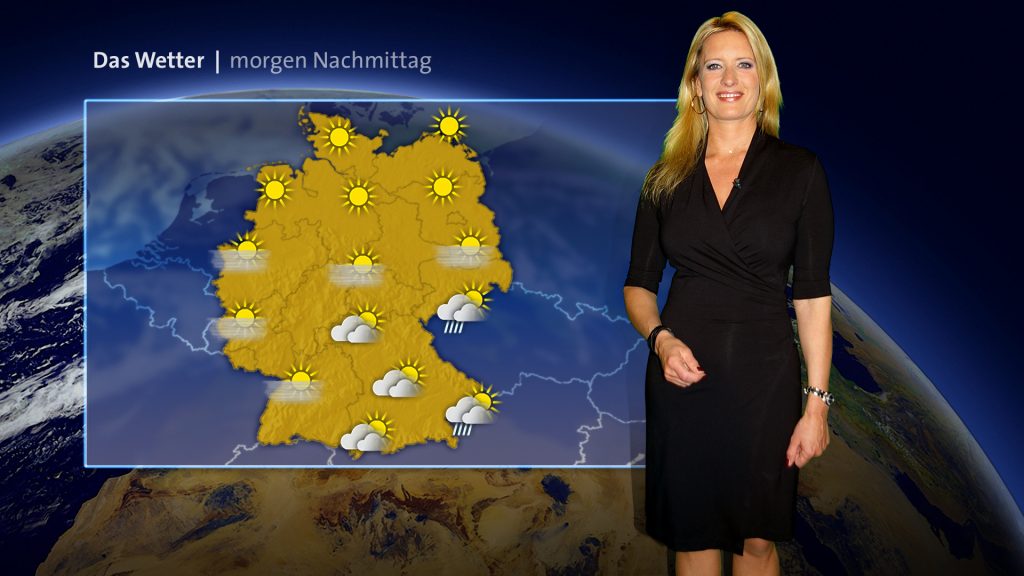

Claudia Kleinert, die Frau von den ARD Wetternews, im Gedankenaustausch.
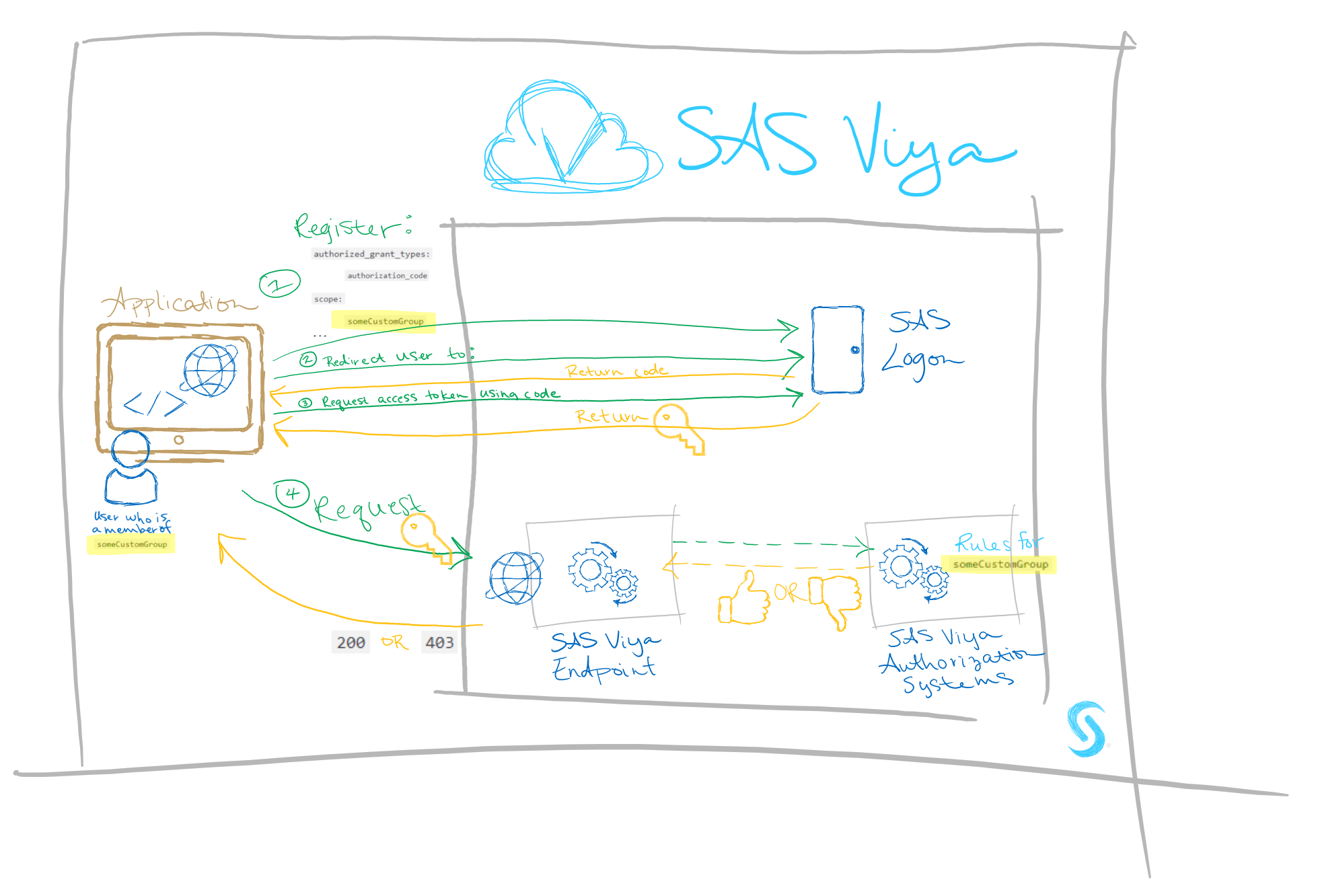

This is the third installment of a series focused on discussing the secure integration of custom applications into your SAS Viya platform. I began the series with an example of how a recent customer achieved value-add on top of their existing investments by building a custom app for their employees


[Nabaruna Karmakar was coauthor of this post] A study was conducted at the University of Denver on The Economic Impacts of the Austin, Texas "No Kill" Resolution. The study found great value in creating an animal welfare-focused community. It highlighted the benefits of economic growth due to an increased need in
My 2020 SAS Global Forum paper was about how to write custom parallel programs by using the iml action in SAS Viya 3.5. My conference presentation was canceled because of the coronavirus pandemic, but I recently recorded a 15-minute video that summarizes the main ideas in the paper. One of