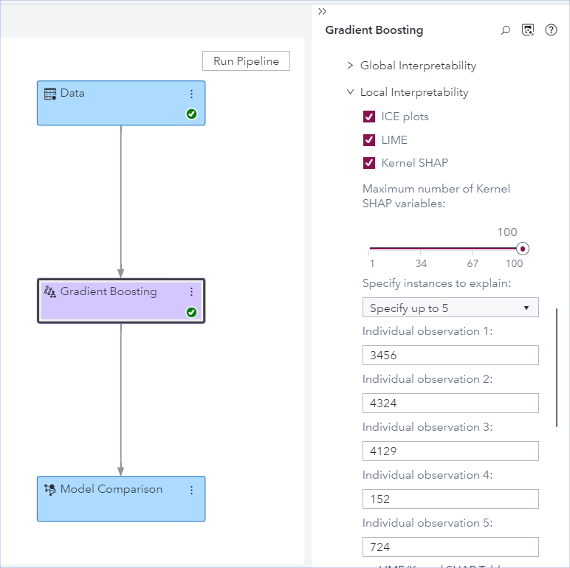
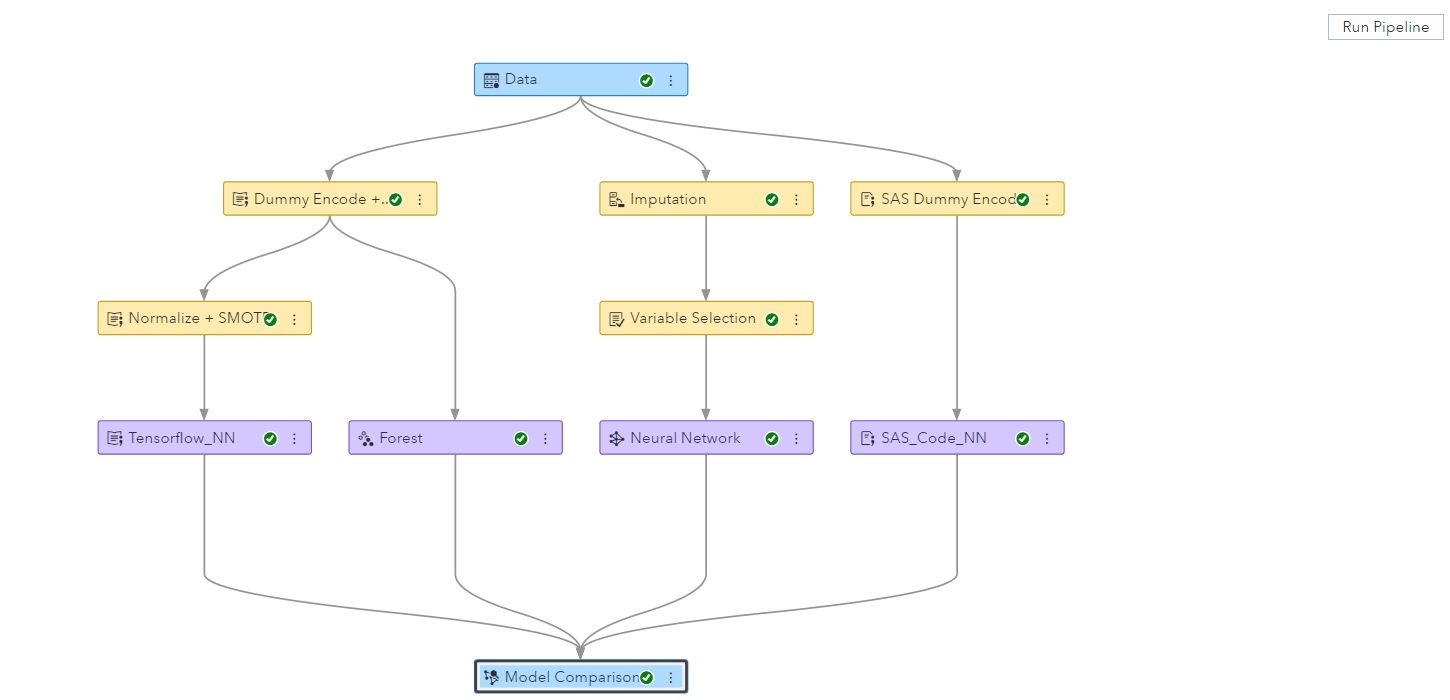
SAS Model Studio lets modelers use SAS alongside open source to create and compare models in a pipeline and project. Debugging, model comparison, and visual pipelines are included.
Every day, millions of New Yorkers rely on the MTA subway – a system so vast and complex that even small delays can ripple across the city. Trains arrive, depart and stall in an intricate rhythm that’s constantly shifting. Capturing that rhythm in real time and translating it into something
Con la irrupción de la IA, el volumen y la complejidad de modelos en producción se han disparado. En 2024, el 65% de las organizaciones declara usar gen-AI de forma regular y la adopción de IA en general subió hasta el 72%, extendiéndose a más funciones del negocio. Esto multiplica
La búsqueda por maximizar nuestra productividad es constante. Todos queremos ser más eficientes en el trabajo y tener más tiempo para compartir con nuestros seres queridos. Al evaluar tecnologías de datos e inteligencia artificial para automatizar procesos y mejorar la eficiencia, es natural preguntarse si realmente es posible adoptar una
SAS is transforming the motor insurance claims process by integrating of tools - blending data management, ML, and UX into 1 complete system.
La búsqueda constante de maximizar nuestra productividad. Todos queremos ser más eficientes en el trabajo y dedicar más tiempo a nuestros seres queridos. A medida que evalúa los datos y la tecnología de IA para automatizar procesos y maximizar la eficiencia, es posible que se pregunte si es realmente posible para usted
Find out more about the importance and processes involved in model evaluation to become a more productive member of any analytical team
SAS Viya Workbench integrates seamlessly with SAS Model Manager for SAS model deployment and monitoring.
En la era de la transformación digital, la velocidad, la escalabilidad y la rentabilidad no son solo indicadores de desempeño; son factores decisivos que permiten a las empresas mantenerse competitivas. Hoy, en SAS, nos enorgullecemos de ver cómo nuestra plataforma de IA y analítica, SAS Viya, no solo cumple con
They say trust is a delicate thing. It takes a long time to build trust. It’s easy to lose and hard to get back. Trust is built on consistent and ethical actions. Therefore, we must be intentional when creating AI models. It's crucial to ensure that trustworthiness is embedded
SAS Viya can allow users and organizations to more easily interface with the LLM application, build better prompts and evaluate systematically which of these prompts leads to the best responses to ensure the best outcomes.
Cada vez mais as ferramentas de IA apoiam a tomada de decisão e ajudam na criação modelos que identificam tendências e padrões de comportamentos que, juntamente com regras de negócios, permitem que as empresas tomem decisões mais assertivas, seja qual for sua área de atuação. As análises mais avançadas incluem
The National Institute of Standards and Technology (NIST) has released a set of standards and best practices within their AI Risk Management Framework for building responsible AI systems. NIST sits under the U.S. Department of Commerce and their mission is to promote innovation and industrial competitiveness. NIST offers a portfolio
La experiencia de compra de millones de personas ha evolucionado recientemente hacia nuevas vertientes. Hoy, a diferencia del modelo tradicional de acudir físicamente a una atienda, recorrer los pasillos, pagar y volver a casa, con el avance de la digitalización y el crecimiento de aplicaciones, surge un nuevo modelo que
I will show you how to deploy multi-stage deep learning (DL) models in SAS Event Stream Processing (ESP) and leverage ESP on Edge via Docker containers to identify events of interest.
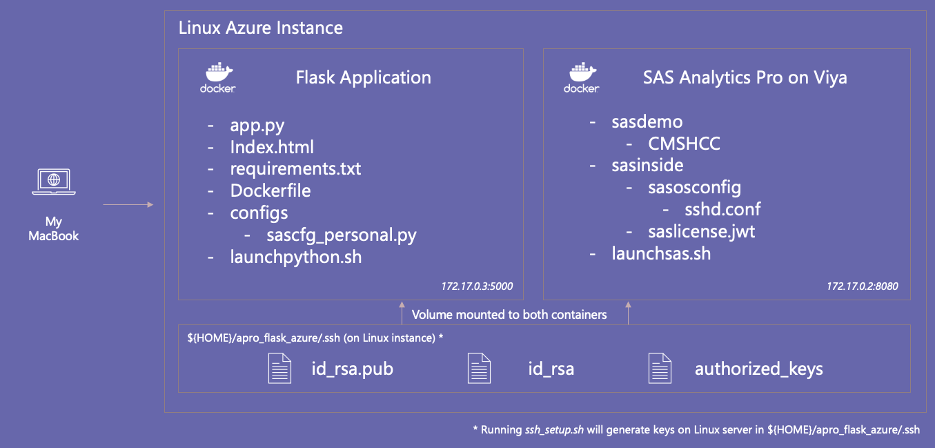
In this third article, we will introduce an alternative approach that surfaces the CMS-HCC Risk Adjustment Model execution through SASPy integration to a Flask application. We will demonstrate how this integration allows a user to score an individual patient/member on-demand, using inputs to an interactive web form to execute the model score code, surfacing the resulting score to the user.
SAS' Ricky Tharrington and Jagruti Kanjia explain two ways bias shows up in model predictions.
Students at North Carolina State University completed design projects yielding striking visuals, purpose and functionality without unethical design characteristics. If you were to design the ultimate vacation home, you would most certainly consider options and features that speak to your individual preferences and style. It turns out that same inclination
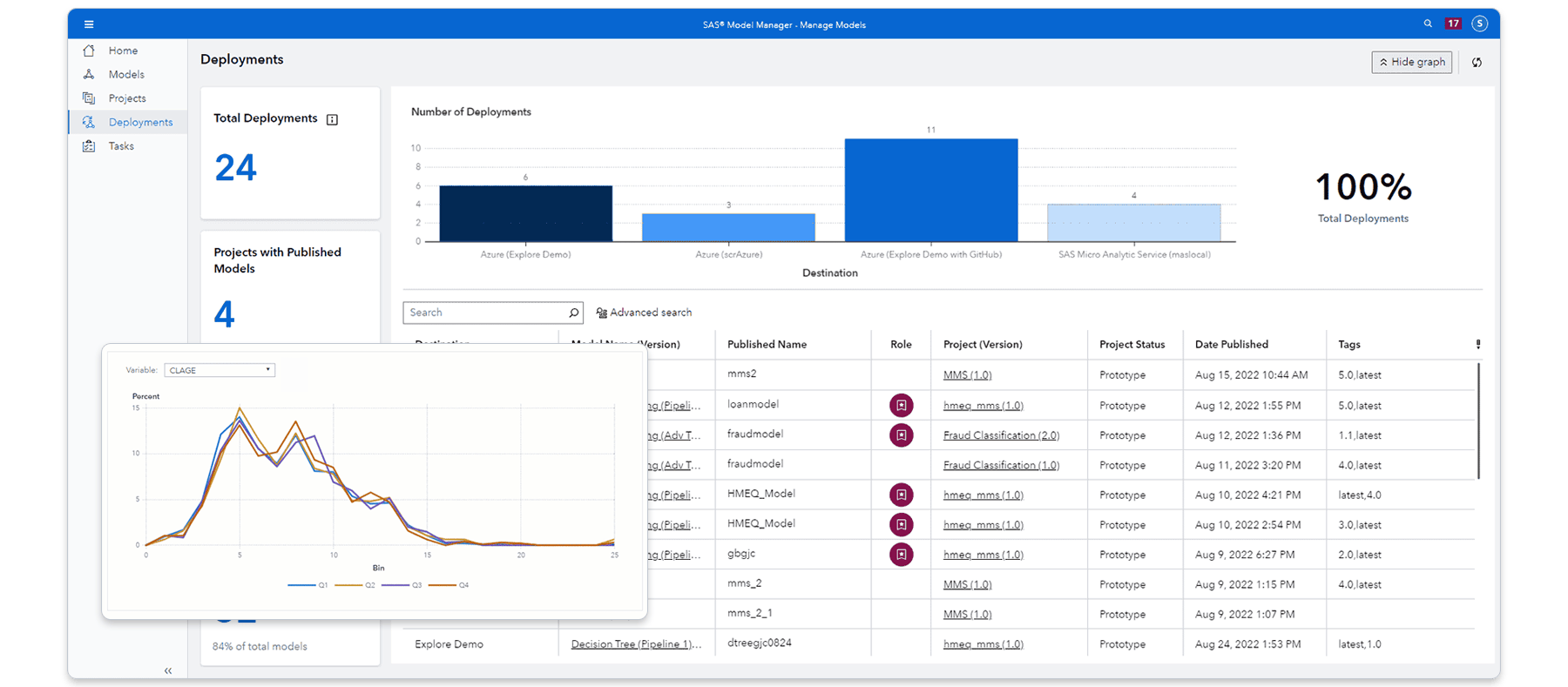
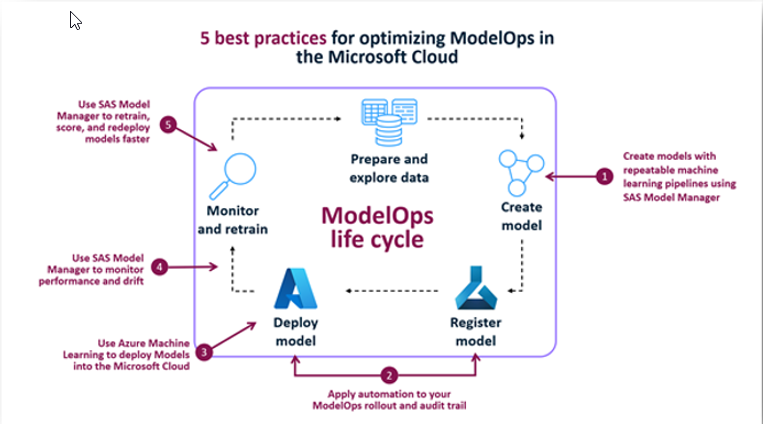
Just getting started with this series? Make sure to explore Part 1 and Part 2. There are different ways you can use these two tools to accelerate model building, deployment and monitoring. Figure 1 summarizes best practices for conducting ModelOps using SAS Model Manager and Azure Machine Learning. Best practice
The CMS-HCC Risk Adjustment models are used to reimburse Medicare Advantage plans based on the health status of the plans’ members. CMS-HCC Risk Adjustment is the practice of assigning a risk score based on demographics and diagnoses to an individual beneficiary of Medicare for the purpose of calculating an expected cost of care, relative to the average beneficiary. Accurate risk adjustment requires an accurate diagnostic profile of an individual on an annual basis, documenting diagnoses via submitted claims or within a provider's medical record.
SAS' Brian Gaines provides a primer on GAMs.
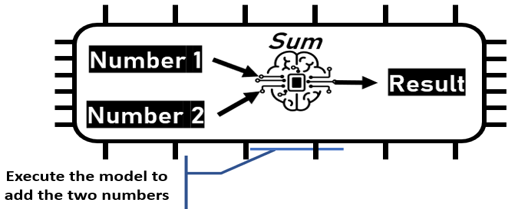
If you are thinking that nobody in their right mind would implement a Calculator API Service with a machine learning model, then yes, you’re probably right. But considering curiosity is in my DNA, it sometimes works this way and machine learning is fun. I have challenged myself to do it,
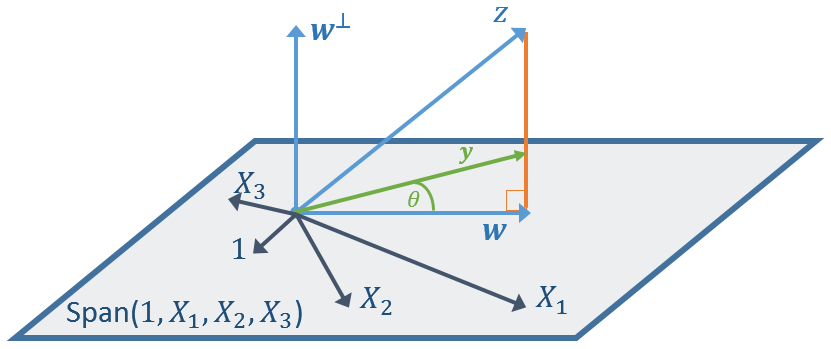
One of the benefits of using the SWEEP operator is that it enables you to "sweep in" columns (add effects to a model) in any order. This article shows that if you use the SWEEP operator, you can compute a SSCP matrix and use it repeatedly to estimate any linear
SAS Studio Taskの紹介 仕事の中で、このような状況に遭遇したことはないでしょうか?普段Enterprise Guide或いはSAS Studioを利用している分析チームの中には、コーディングユーザとSAS言語ができないGUIユーザがいます。ある分析プロジェクトにおいて、特定のモデルを活用する場合に、そのモデルはSASコードを書くことで利用することはできますが、EGのGUI操作やSAS Studio のTaskだけでは活用することができません。この場合に、GUIユーザがコーディングユーザと同じような分析を行うためには、コーディングユーザが作ったSASコードを利用し、入出力情報やパラメータなどを修正した上で使用することになります。しかし、このようなやり方では、たとえば、修正を間違えることによって、エラーを起こし、コードを書いた人に助けてもらわないといけないことも時々発生していました。 この状況に置いて、SAS言語ができないユーザでも、コードを書かずにGUI上の簡単なマウス操作で実施できるような便利な機能をご紹介します。 SAS Studioには、SAS Studioカスタムタスクという機能が組み込まれています。必要な機能が既存のタスクとして用意されていなくても、プロシジャーがあれば自らタスクを簡単に作成できるインターフェースです。XML形式で必要な入出力箇所やオプションを定義することによって、GUI画面を持つタスクが簡単に作れます。そのタスクをSAS Studio上では勿論、SAS Enterprise Guide上でも使うことができます。非常に便利な機能です。この便利なSAS Studioカスタムタスクには以下のような特徴があります。 ・タスクを作る際にはSAS以外のプログラミング知識は必要ありません。 ・SAS Studioで作る場合は、XMLを書きながら、作成途中のGUIの画面を常に確認できます。 ・タスクを使う人は簡単なマウス操作で利用可能です ・そして、SAS StudioとEnterprise Guide両方での利用が可能です。 ・XMLベースなのでタスクの修正は簡単です。 ・テキストボックス、チェックボックスなど多様なコントロールを定義可能です。 SAS Studio Taskの作り方 今回は混合正規モデルを例にSAS Studio Taskの作成方法を紹介します。SAS Studio Taskを作るには二つの方法があります。 一つ目は新規で一からタスクを作成する方法です。 二つ目は既存のタスクをテンプレートとして使い、内容を修正しながらタスクを作る方法です。 今回の記事は一つ目の方法をメインとして紹介しますが、記事の最後に二つ目の方法に関しても簡単に紹介します。作成ツール(XMLエディタ)としては、SAS Studioや任意のエディターのいずれかを使用しても構いませんが、この記事では最新のSAS Studio 5.2を使用しています。操作方法などは使っているSAS Studioのバージョンによって変わる場合はありますが、定義の書き方に相違はありません。 SAS Studioを開いて、メニューから新規作成をクリックし、タスクと選択します。そして下の図のようなタスクテンプレートの画面が表示され、この画面内でSAS Studio Taskの定義を行います。まずSAS Studio Taskの定義の構造を紹介します。 最初の2行はシステムにより生成されたタスクのエンコーディングとスキーマバージョンの定義です。この部分を修正する必要はありません。 <?xml version="1.0" encoding="UTF-16"?> <Task schemaVersion="7.2">
All analytics projects have data as their foundation and this data is usually spread across a variety of databases, storage systems and locations. This diverse and complex landscape causes data scientists to spend an inordinate amount of time searching for the right data and preparing this information for analytics. It’s
If you're a SAS Enterprise Guide user who is looking to move to SAS Studio, there is a lot to like about your new coding environment.
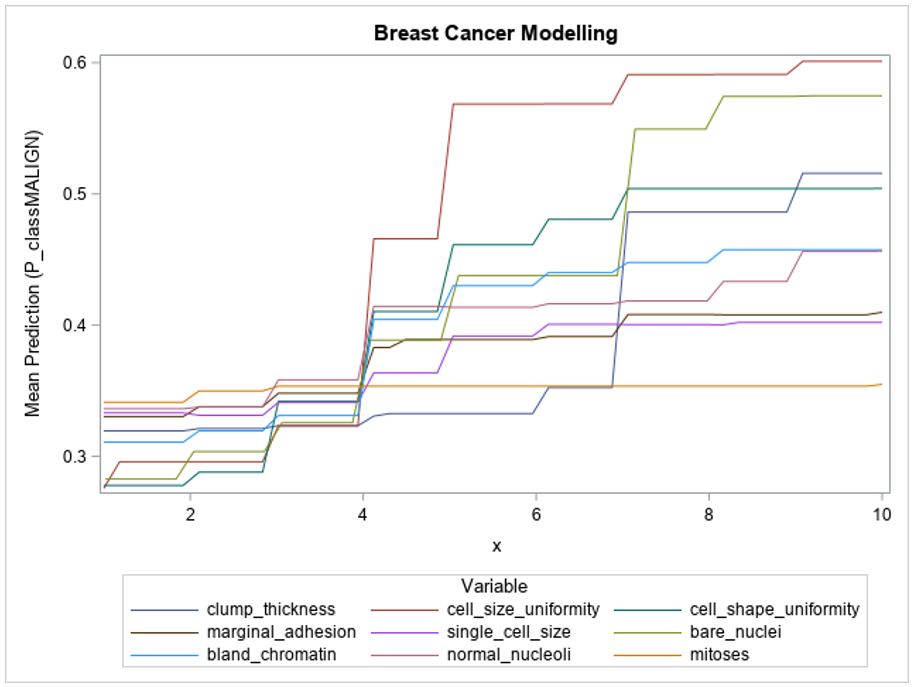
In the preceding two posts, we looked at issues around interpretability of modern black-box machine-learning models and introduced SAS® Model Studio within SAS® Visual Data Mining and Machine Learning. Now we turn our attention to programmatic interpretability.
In the second of a three-part series of posts, SAS' Funda Gunes and her colleague Ricky Tharrington summarize model-agnostic model interpretability in SAS Viya.
In the first of a three-part series of posts, SAS' Funda Gunes and her colleague Ricky Tharrington summarize model-agnostic model interpretability in SAS Viya.
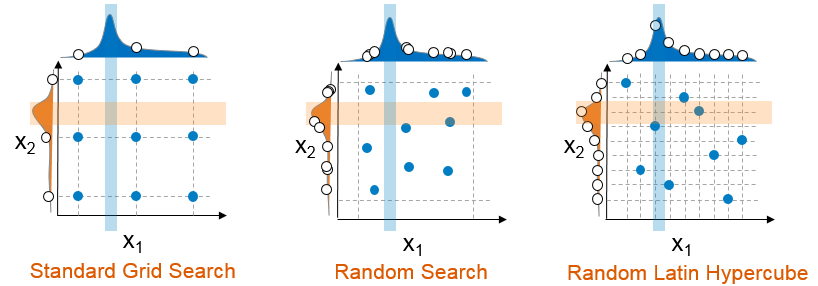
Through hyperparameter autotuning, you can maximize a model's performance without maximizing effort. While SAS searches the hyperparameter space in the background, you are free to pursue other work.