All Posts


Companies in nearly every industry – from retailers and manufacturers to commercial airlines and health care providers – are all waking up to the opportunities in the Internet of Things. If you're still trying to understand how analyzing IoT data could benefit your business, read a few of the articles


This blog is the fourth in a February series from SAS Work/Life. First we had Laurie Watson talk about Finding the Love you Need. Her blog was followed up by an excellent Lunch and Learn Attachment and Dating! Next, Dr. Mona Gupta and colleagues blogged about Dating the Second Time Around. The third blog,


SAS Global Forum 2016 is the largest gathering of SAS users in the world, with more than 5,000 data scientists, analytic professionals and business leaders expected for this year’s event at The Venetian in Las Vegas, April 18-21. While many users make the event a part of their professional development


When I was a kid, I remember being fascinated by the first moon landing. I probably won't ever get to explore the moon in person, but perhaps creating an interactive moon map is the next best thing! Before we get started, I wanted to share a couple of photos my co-worker
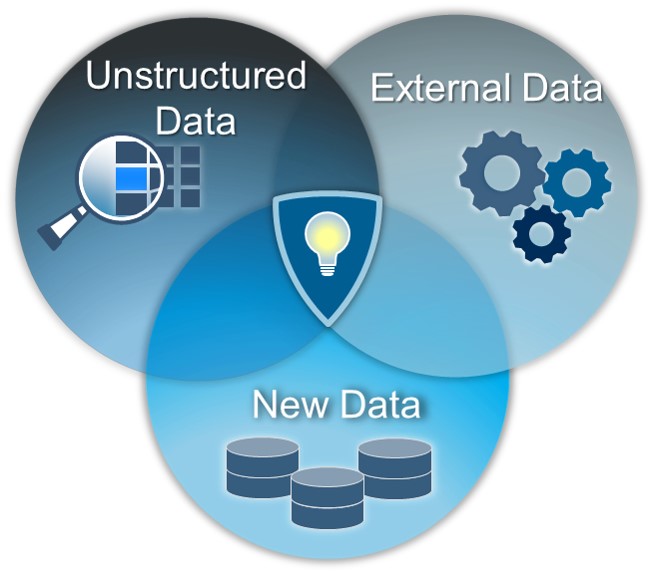

In a recent blog I wrote about how big data is a game changer for the insurance industry. But the question that is often asked “What is big data”? Many people associate big data with the 4 V’s: Volume – The sheer size of data that is produced. Velocity –


In transportation, when an asset is standing still, it is losing money. The same can be said for your business strategy: when you are standing still, you are not innovating or taking advantage of new ways to enhance efficiency or drive profitability. This is true in all industries. In the


In “Explaining statistical methods to the terrified & disinterested: A focus on metaphors”, I discuss the usefulness of metaphors for explaining abstract statistical concepts to non-technical readers. This is an approach taken in my new SAS Press book, Business Statistics Made Easy in SAS®, since many readers of this level


When the likes of Elon Musk and Stephen Hawking go on record warning about the dangers of AI, it’s probably prudent to take notice. However, before rushing off into full panic mode, some definitions and perspective would be in order. The type of artificial intelligence Musk and Hawking are referring


I recently attended a Fat Summit hosted by Integrative and Functional Medicine physician, Mark Hyman, MD, Director of the Center for Functional Medicine at the Cleveland Clinic. Dr. Hyman invited some of the most prestigious U.S. researchers to join this online Summit to share their individual research data. This academic


Por Fernanda Benhami, Gerente de Customer Intelligence de SAS Tecnologías de Big Data están dando más agilidad para entender las necesidades de los clientes de empresas de diferentes sectores. En el sector financiero no es diferente, con la ampliación de los canales de comunicación y atención a los titulares de


I recently presented a webinar (via the IAIDQ) on the topic of 7 Habits of Effective Data Quality Leaders. To prepare, I looked back at the many interviews of leading data quality practitioners I had undertaken over the years. A common trait among all these interviews stood out – they
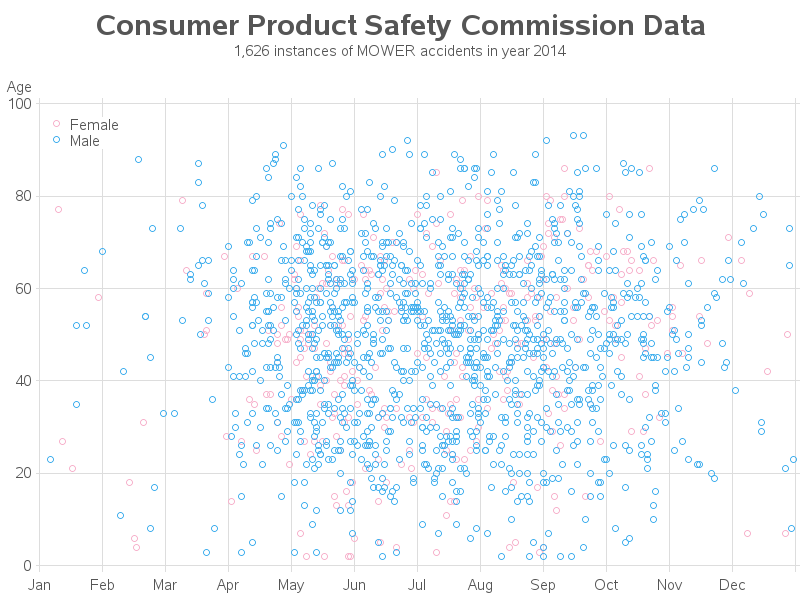
If you're a worrier, you know there's a chance you could get bitten by a shark, or hit by a piece of falling satellite debris - these events are both possible, but not probable. Getting injured by a lawn mower, on the other hand, is something that could easily happen. With
I subscribe to a listserv that sends out articles on communication. I was reading an article recently on how to talk to your spouse about starting a family. As I read through the article I realized these steps apply to communication with your spouse about any emotionally charged issue. I found the steps so


The SAS Data Loader directive ‘Copy Data to Hadoop’ enables you to copy data from DBMS to Hadoop Hive tables. The SAS Data Loader for Hadoop can be configured to copy data from any external database which offers JDBC database connectivity. SAS Data Loader uses the Apache Sqoop™ and Oozie


There's a lot of chatter about analytics in the information security space. That’s actually a massive understatement. Analytics is a common buzzword, and if everyone's talking it, but how do you cut through all the noise? Who is doing what when it comes to analytics? It can be difficult to tell. As part of