All Posts


If I were to say that we live in uncertain times, that would probably be an understatement. Therefore, I won’t say that. Oops, I already did. Or did I? For centuries, people around the world have been busy scratching their heads in search of a meaningful answer to Shakespeare’s profoundly


The time for experimenting with artificial intelligence (AI) is over. In a COVID-19 climate, it is important to be able to quickly scale up analytical models to industrial processes. SAS believes the solution can be found in democratizing AI. Most manufacturing businesses have large amounts of data at their disposal.
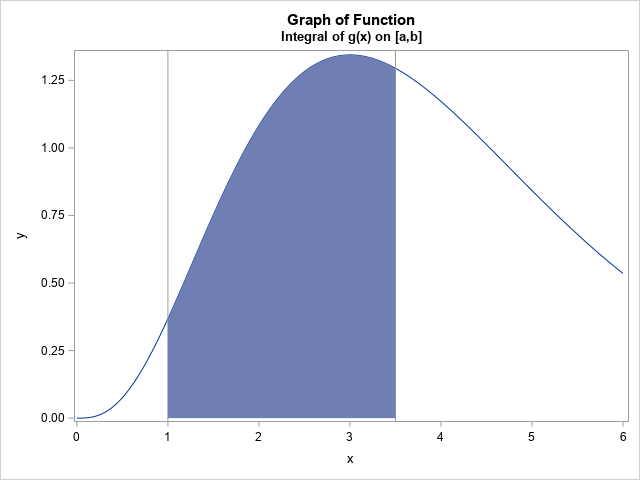

Numerical integration is important in many areas of applied mathematics and statistics. For one-dimensional integrals on the interval (a, b), SAS software provides two important tools for numerical integration: For common univariate probability distributions, you can use the CDF function to integrate the density, thus obtaining the probability that a


Interview mit Dr. Christian Rammer (ZEW). Er ist Projektleiter im Forschungsbereich Innovationsökonomik und Unternehmensdynamik.


These days I'm hearing from people who are feeling out of place. Of course they want a world without COVID-19 and for life to feel like it used to. But as others make future plans and celebrate the potential return to "normal", they are feeling hesitant or more uncomfortable than


Artificial intelligence (AI) is one of the most popular topics in the tech industry, along with IoT, cloud and blockchain, to mention just a few. Although it is a very promising technology, it is also connected with very high expectations, quite often beyond the capabilities that AI provides today. As
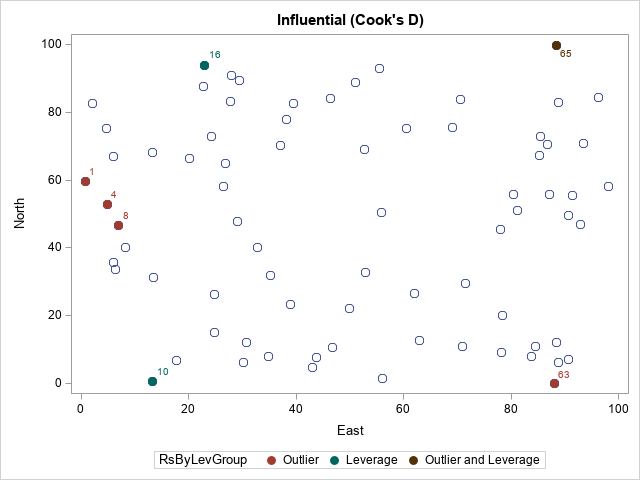
A previous article discusses how to interpret regression diagnostic plots that are produced by SAS regression procedures such as PROC REG. In that article, two of the plots indicate influential observations and outliers. Intuitively, an observation is influential if its presence changes the parameter estimates for the regression by "more
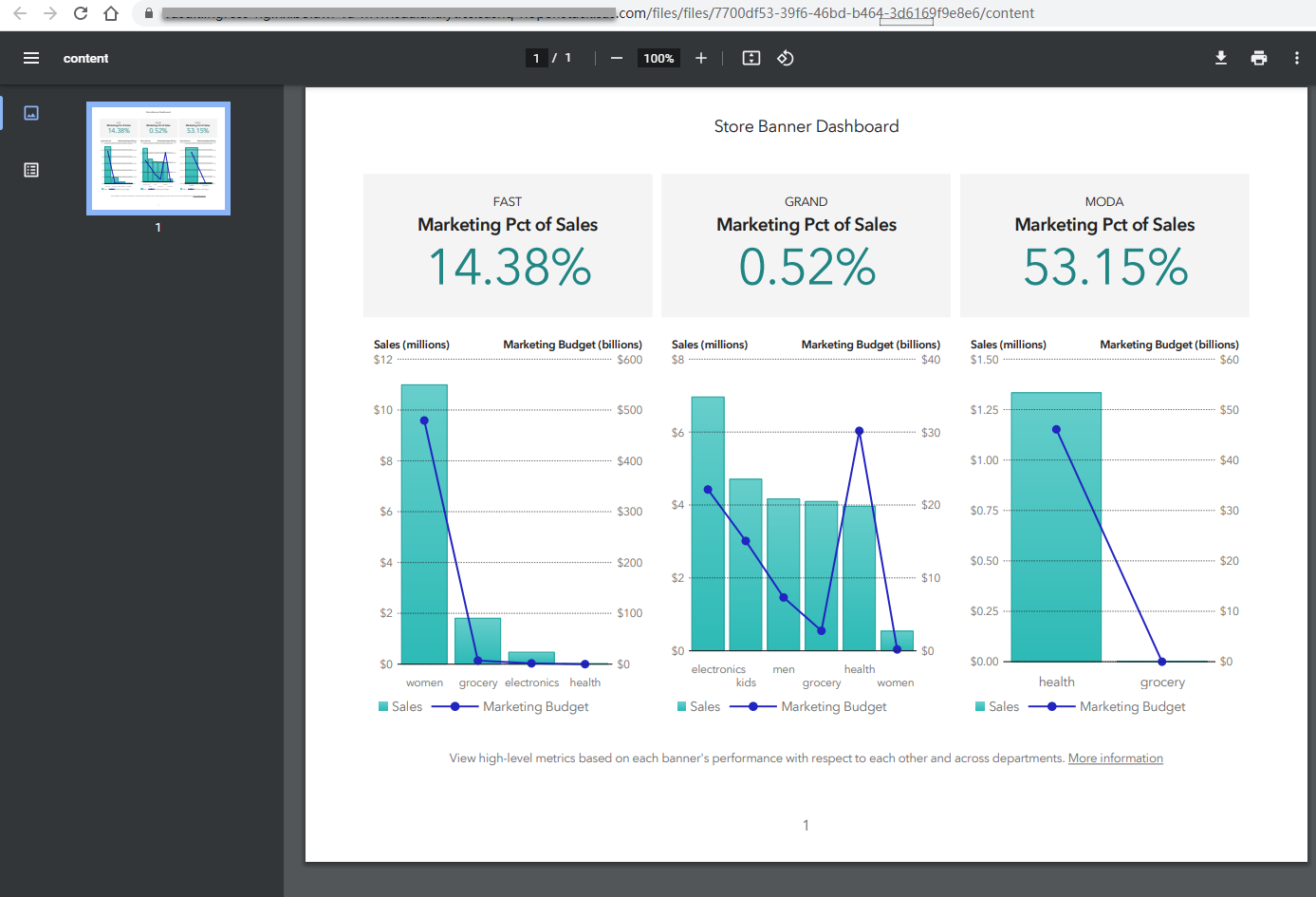

Readers of my earlier post Discover Visual Analytics Report Paths with REST APIs asked for ways to export SAS Visual Analytics (VA) report content programmatically. I know this is a topic of interest from many VA report designers. So, I think it’s better to write something on this and I


According to the Forbes and SAS panel of experts, the biggest technological revolution in humankind’s history is happening right now. To be a part of it, companies need to build their own sets of ethical artificial intelligence principles. Tackling the ethical issues is the key to successfully harnessing the incredible

SAS' Leonid Batkhan reveals a fuss-free way to halt SAS program execution and terminate SAS session in batch-processing scenarios.


We all know we need to eat more vegetables. Frozen vegetables can be a quick and easy way to add more vegetables to almost any meal, and these days the frozen vegetable aisle is loaded with options!
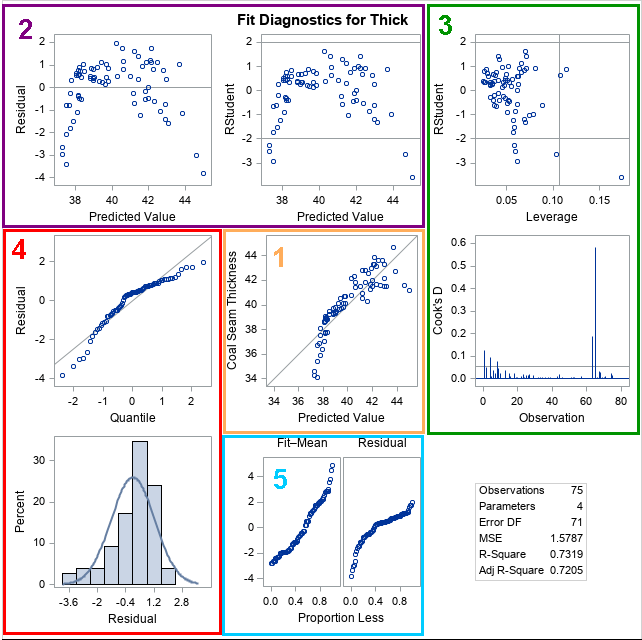
When you fit a regression model, it is useful to check diagnostic plots to assess the quality of the fit. SAS, like most statistical software, makes it easy to generate regression diagnostics plots. Most SAS regression procedures support the PLOTS= option, which you can use to generate a panel of


We live in a data-driven world. With touchpoints rapidly multiplying, consumer data continues to increase in volume and complexity. Insights derived from these touchpoints are crucial to improving the context of customer experiences. Investments in digital transformation to achieve a 360-degree customer view are now a necessity. Businesses need to

Interview with VW: Patrick van der Smagt, director of the Volkswagen Group's Machine Learning Lab.
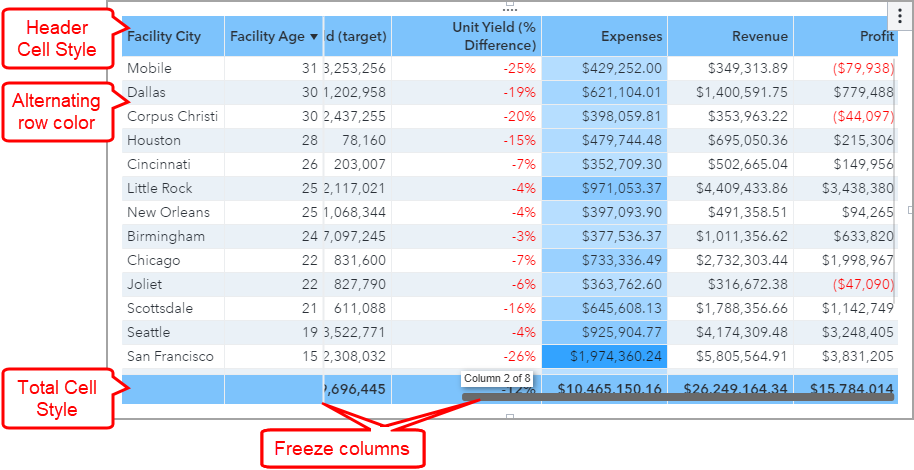

The List Table can be more than just a black-and-white ledger style visual. There are many other enhancements such as alternating row colors, abbreviated values, display rules, etc.