All Posts


A quick search through headlines reveals a range of AI-related disappointments. Consider that 95% of GenAI pilots fail, according to MIT. Amazon’s Kiro agent recently sparked a 13-hour outage by deleting a production environment. And we can’t forget that the resource and energy strain from a new wave of AI


Marketers have made enormous strides with generative AI (GenAI) over the last year, moving from experimentation to large-scale deployment. But the next shift in AI maturity – agentic AI – is already underway. This shift will push organizations beyond prompt-based productivity and into a world where AI can act, learn

Desde sus orígenes en el ámbito estadístico hasta la actual era de la inteligencia artificial, SAS celebra cinco décadas de innovación confiable. Durante este tiempo, la organización ha demostrado que, cuando las empresas invierten en las personas e innovan con un propósito claro, la confianza se consolida como el activo
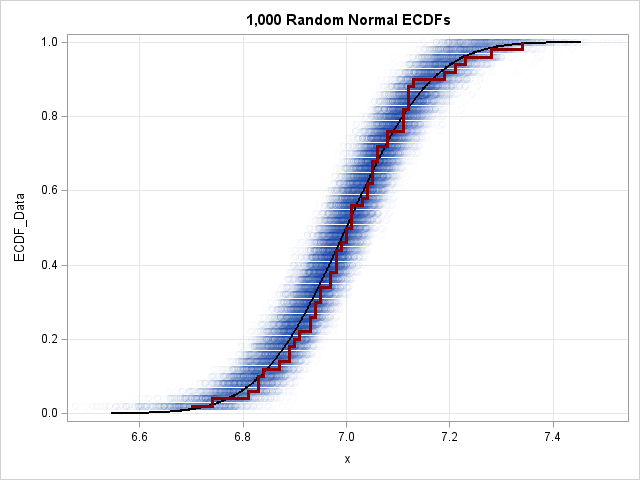

A previous article shows how to construct an empirical cumulative distribution function (ECDF) in SAS. The most common way is by using PROC UNIVARIATE, but you can also call the ECDF function in the SAS IML language. The ECDF is a tool for visualizing the distribution of a univariate sample
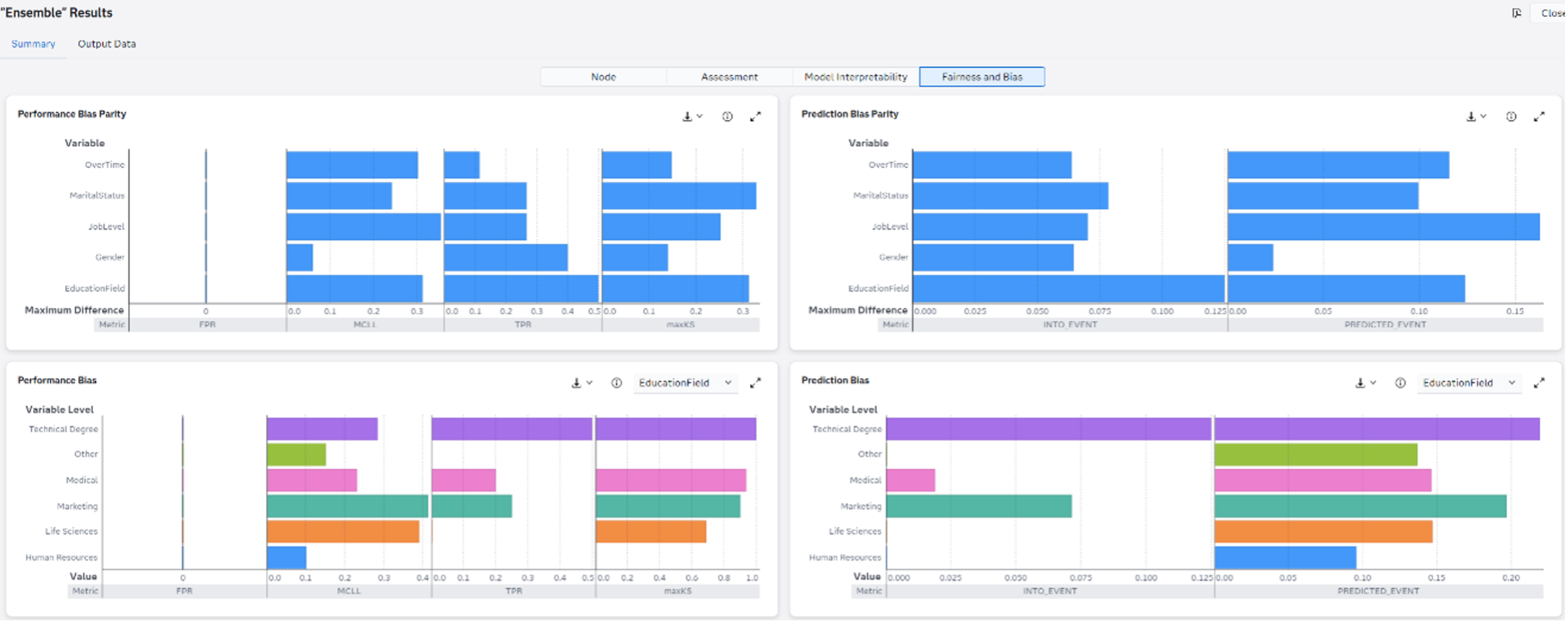

This post explores how Agentic AI and LLMs can help reduce employee attrition by delivering personalized development guidance based on workforce analytics and skill profiling. Using SAS Viya and governed AI workflows, the solution matches employees with tailored learning opportunities while supporting transparent, scalable, and data-driven workforce planning.


Georgia-Pacific didn’t treat AI as a science project or a luxury add-on while researching solutions. They made it core to operations, scaling intelligent decisions across an enterprise as massive as their manufacturing footprint. Georgia-Pacific manufactures products used every day, like bath tissue, boxes and lumber, across more than 150 sites


The best AI assistance meets you where you are. A chat window opens. A question surfaces. An answer comes back before momentum fades. That conversational experience is powerful precisely because it keeps insight close to the work. But there's a version of assistance that goes even further – one that

Hear from our experts how insurers can create AI safeguards and ensure safe model use.


Heart disease remains the leading cause of death in the U.S. and around the world. In fact, more than half of all U.S. adults are living with some form of cardiovascular disease. With annual costs topping $400 billion in the U.S. alone, researchers continue to look for better ways
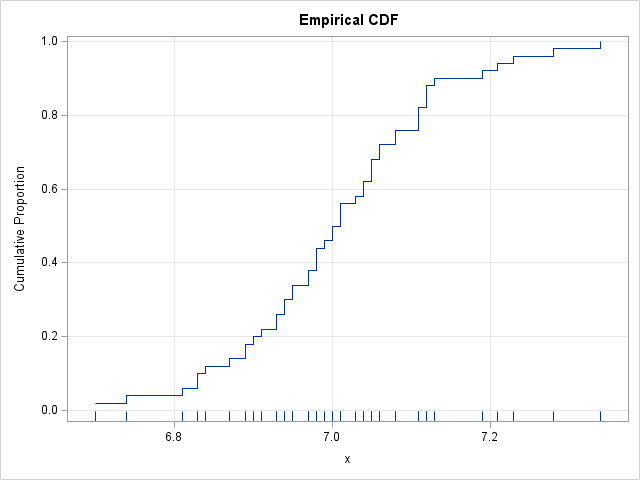
The empirical cumulative distribution function (ECDF) is an important tool in statistics. It is one of several plots you can use to visualize the shape of a data distribution. It is not used as often as the histogram, the kernel density estimate, and the box plot, but it is essential


Fairness, transparency, integrity and competition are essential for managing public funds. We rely on departments to choose the best value from the private sector. Efficient public procurement improves services, infrastructure, and the economy. It must also be accountable to the public by protecting financial loss from fraud, waste, abuse, and
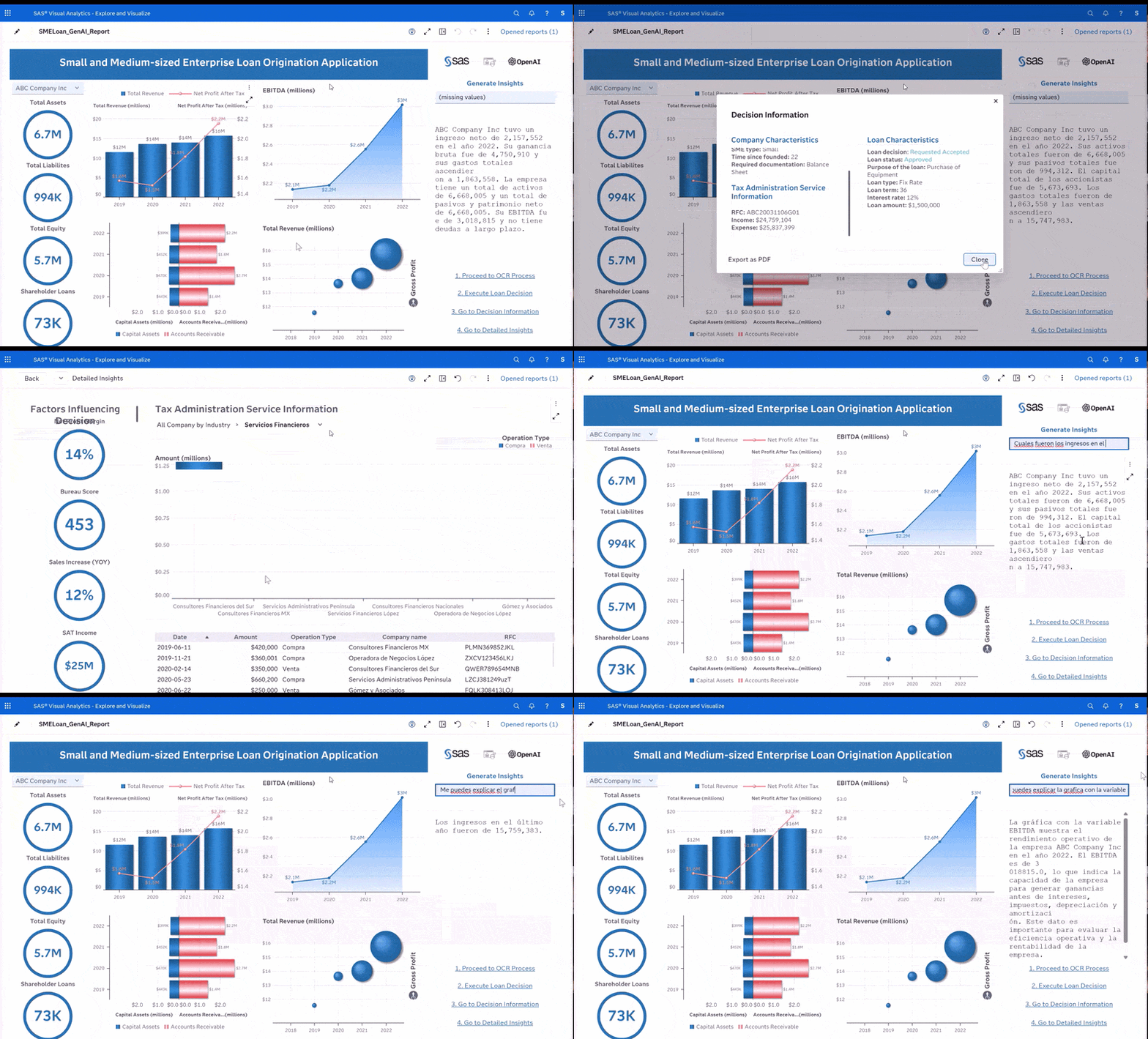

This post demonstrates how Agentic AI and SAS Viya can modernize SME loan origination by combining OCR, LLMs, governed decisioning, and interactive dashboards to accelerate transparent, explainable, and scalable credit decisions.


企業・組織がデータをまとめることに躍起になっている間に、本質を見失っていることが多く見受けられます。 データは手段であり、目的ではありません。 「データ統合」という言葉を、皆さんは何度耳にされているでしょうか。 経営会議で、ITロードマップで、ベンダー提案書で。まるで呪文のように繰り返されるこの言葉に、私はずっと違和感を覚え意義をとなえ続けています。 結論を先に言います。「データ統合」は、そのままでは意味をなさない概念です。 本当に企業が取り組むべきは「意思決定の統合」であり、データはその手段に過ぎません。 1.「データ統合」はそもそも何を指しているのか 実は私はそこをあまりわかっていません。なぜなら私の中にその概念がないためです。ただ世の中での「データ統合」という言葉の使われ方から推察すると、実際には二つの異なる意味で使われているように見受けられます。 💡キーポイント: 「①置く統合」はメッシュアーキテクチャで不要になりつつある。 「②加工の統合」はそれ自体が目的ではなく、意思決定改善という目的への手段に過ぎない。 どちらの解釈においても、「データ統合」は価値あるものとしては定義できない。 2.データは組織を動かさない Data doesn't drive your organization. Decisions do. こちらのブログで詳しくお話していますが、データは組織を動かしません。意思決定が組織を動かします。 これは私が日頃お伝えしているメッセージですが、「データ統合」という言葉が流行するとき、この順序が逆転していることが多いです。 自律型AIエージェント時代の意思決定~ROI創出とリスク管理を「技術」ではなく「意思決定」で整理する 3.「統合データベース」という幻想 仮にデータ統合という意味が正確に定義できなくても明らかに手段であるものではなく、目的志向で、「すべての意思決定モデルを格納した統合データベース」を作ろうとすると、どうなるでしょうか。 企業の中で生まれる意思決定は無数にあります。価格設定、在庫補充、顧客対応、採用、設備投資、与信判断、リスク管理……それぞれの意思決定は、固有のコンテキスト・時間軸・責任者を持ち、互いに複雑に干渉し合っています。 それらすべてを網羅する「統合データベース」などは、私が知る限り現時点では現実的に存在しないですし、仮に存在したとしても、その構築自体がナンセンスだと思います。なぜなら意思決定間の相互作用は、設計段階では分からない部分が多く、実際に動かしてみて初めてわかる側面も大きいからです。 4.意思決定の構造① - 組織の階層構造 企業の意思決定を正しく捉えるには、まずその階層構造を理解する必要があります。 重要なのは、この三層が「つながっているか」です。 経営層の「意志決定」がいかに早く正確に現場の「意思決定」に連動するか。 現場で起きていることがいかに早く正確に経営層にフィードバックされるか。 この双方向の連動がなければ、どれだけデータを集めても、どれだけAIを導入しても、意味をなしません。 💡キーポイント:意思決定と意志決定の違い 「意思決定(Decision-making)」はデータと論理に基づく合理的な選択であり、AIが担える領域。 「意志決定(Commitment)」は責任を持って結果にコミットする判断であり、人間の領域。 データ活用の議論では、この二つが混同されることが多い。 5.「意思決定の統合」こそが本質的なチャレンジ 企業が経営指標を改善するプロセスを整理すると、以下の縦のバリューチェーンが見えてきます。 経営層が意志決定をする - 戦略目標・KPI・資源配分を定義し、「何を最適化するか」にコミットする。 管理者層が翻訳・調整する - 経営の意図を各部門の言葉と判断基準に変換し、部門間の整合を取る。 現場が意思決定をし、バリューチェーン全体で最適化する - 日々のオペレーションの中でデータとモデルを使った判断を実行する。部門をまたがった判断が全体最適につながる。


For small and midsize businesses (SMBs), AI is no longer optional. But for many leaders, the real challenge is making those investments pay off. That’s where things often break down. Too many AI initiatives start with tools instead of outcomes. They stay stuck in pilot mode. Or they deliver insights


Raise your hand if you’re using data and AI, but are as busy as ever. If that sounds familiar, you’re not alone. Many employees are still weighed down with high volumes of manual processing despite having data and analytics tools. For some, the workload has even increased as analytics and AI generate more information that requires review and