All Posts
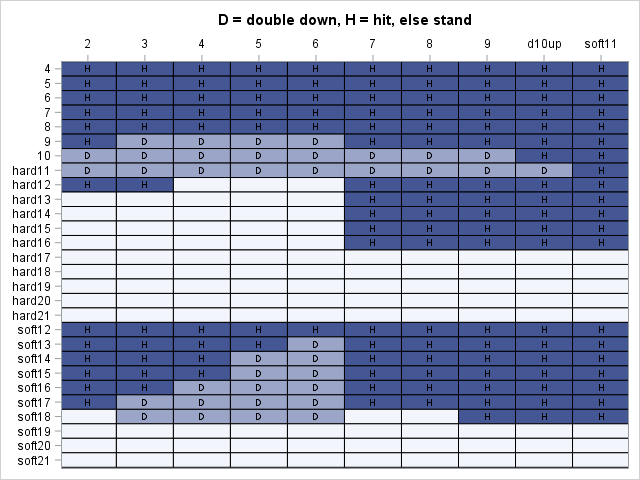

At the most recent SAS Global Forum in Las Vegas, I gave a demo on using SAS/OR to compute an optimal strategy for the casino game blackjack. For anyone who wasn't able to attend, I'd like to show some of the code and results here.


Fellow Roundtable writer David Loshin has commented in the past that: "MDM is popular because it is presented as a cure-all solution to all data problems in the organization." Many people see master data management (MDM) as the silver bullet to all of their business and data woes. But in


Some estimates suggest that the number of connected objects will be more than 50 billion by 2020. Each of us will own between six and 10 connected objects. But what exactly is the Internet of Things (IoT)? Wikipedia describes it as “the network of physical objects — devices, vehicles, buildings
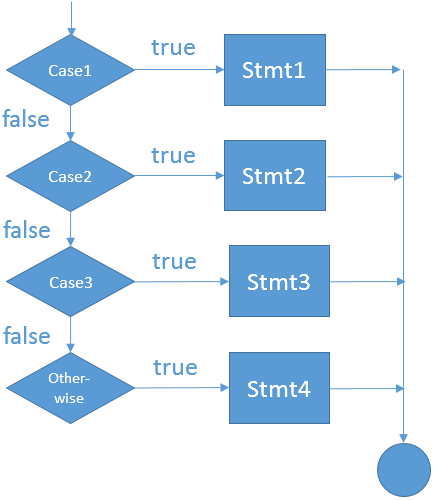

Every beginning SAS programmer learns the simple IF-THEN/ELSE statement for conditional processing in the SAS DATA step. The basic If-THEN statement handles two cases: if a condition is true, the program does one thing, otherwise the program does something else. Of course, you can handle more cases by using multiple
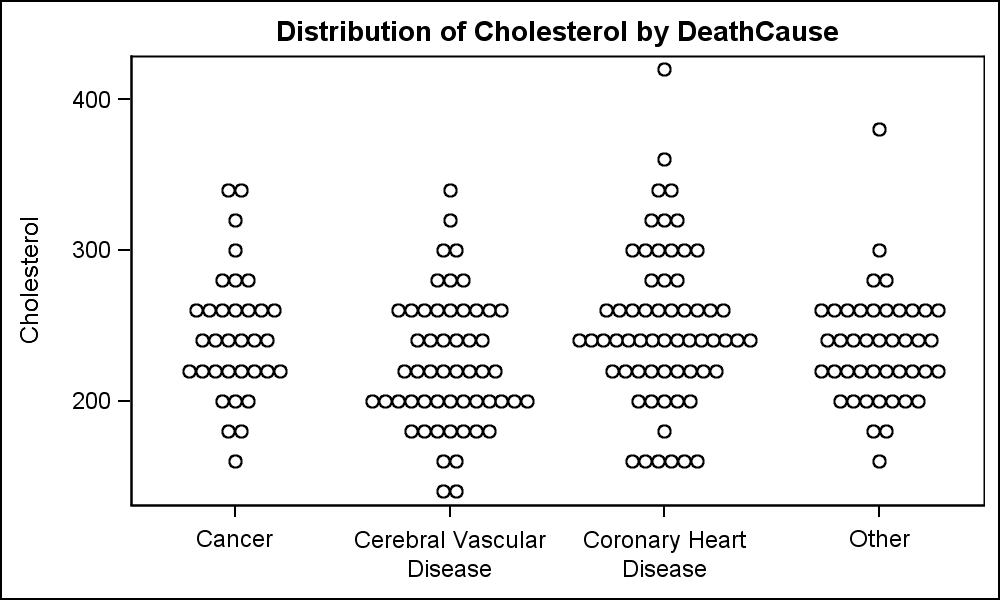

A Turnip Graph displays the distribution of an analysis variable. The graph displays markers with the same (or close) y coordinate by displaying the markers spread out over the x-axis range in a symmetric pattern. Recently, a question was posted on the SAS Communities page regarding such a graph. Here is an example of


SAS Business Analytics & Innovation Forum 2016 La creciente ola de información que se genera por el alto volumen de dispositivos conectados entre sí, trae consigo un enorme reto para las organizaciones: la gestión de grandes cantidades de información y la transformación de esos datos en conocimiento relevante. Si estos

La banca está asumiendo altos costos en su operación para cumplir con los cambios regulatorios y sus requerimientos. Para conocer la manera en la que estas adquisiciones pueden y deben utilizarse para sustentar la toma de decisiones de negocio, vea en la siguiente webinar a Luis Barrientos e Iván Dominguez,


.@philsimon on whether organizations need MDM to gather valuable insights about their customers.


Here in the US, our July 4th Independence Day holiday is coming up. It's a festive holiday with lots of fun & fireworks, but you also need to also be careful ... and I've got the graphs to prove it! Last year, I wrote a blog post about a SAS
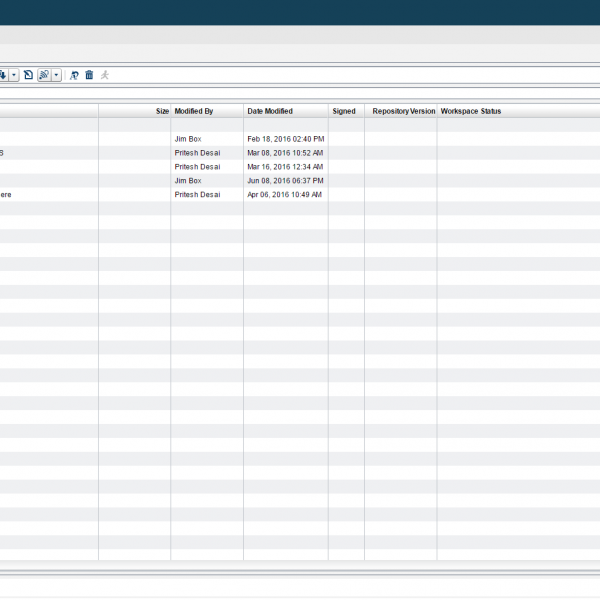

Collecting, managing, standardizing and analyzing clinical data during (and after) a clinical trial is crucial in the process for submission and regulatory approval of a new compound, biological, device or other therapy. A central clinical platform requires: Robust and auditable analytics to prove the result to the authorities and external


"Los sistemas financieros en el mundo están enfrentando importantes transformaciones que impactan no solo sus modelos de negocio sino la forma de relacionarse con los consumidores financieros". Esta frase, pronunciada por el Superintendente Financiero de Colombia, Gerardo Hernández, en la pasada Cumbre Bancaria en Cartagena, resultó el preámbulo perfecto para


Master data management (MDM) is distinct from other data management disciplines due to its primary focus on giving the enterprise a single view of the master data that represents key business entities, such as parties, products, locations and assets. MDM achieves this by standardizing, matching and consolidating common data elements across traditional and big


Recently I was in a staff meeting that involved a discussion regarding the impact of personality types on interpersonal relationships. You may recall sixteen personality types suggested by Meyers Briggs research (MBTI ®) such as ENFJ or ISFP. Or perhaps you, like Cindi Lauper, see your True Color® shining through. Galton (1884), and

La plataforma SAS® Viya™ está diseñada para enfrentar los grandes desafíos que plantea el big data en la actualidad, es una nueva arquitectura de analítica útil para todos los niveles de la organización. En SAS, presentamos una nueva arquitectura de analítica de alto de desempeño diseñado para la innovación, que permitirá


“Good afternoon, Mr. Yakamoto. How did you like that three-pack of tank tops you bought last time you were in?” Washington D.C. Year 2054. Chief of PreCrime John Anderton is running from the law for a crime he has not committed yet. After a risky eye transplant in order to