All Posts


Oh, man! What's happening? I just can't figure out what's going on. I'm tired. Exhausted actually. I don't feel well. I just want my energy back! We've all been there. Sometimes more often that we'd like. Sounds like it's time for a reboot. How do we reboot the human body?
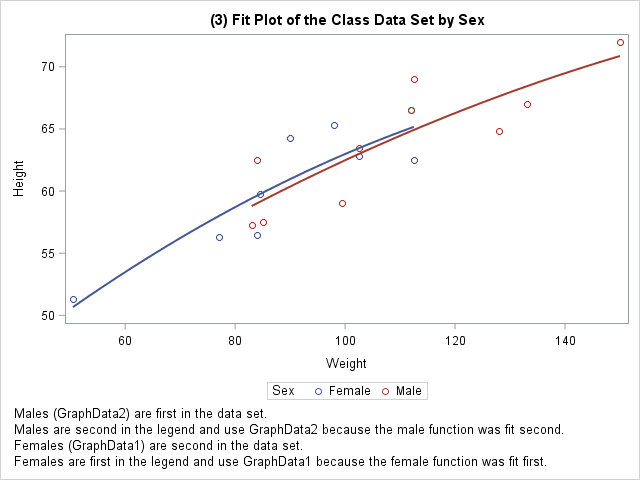

In this post, I will show you how to control the order of the entries in a legend and explicitly control the correspondence between groups and style elements in PROC SGPLOT. In many cases, the colors that are used to differentiate groups do not matter--the graph simply needs to display
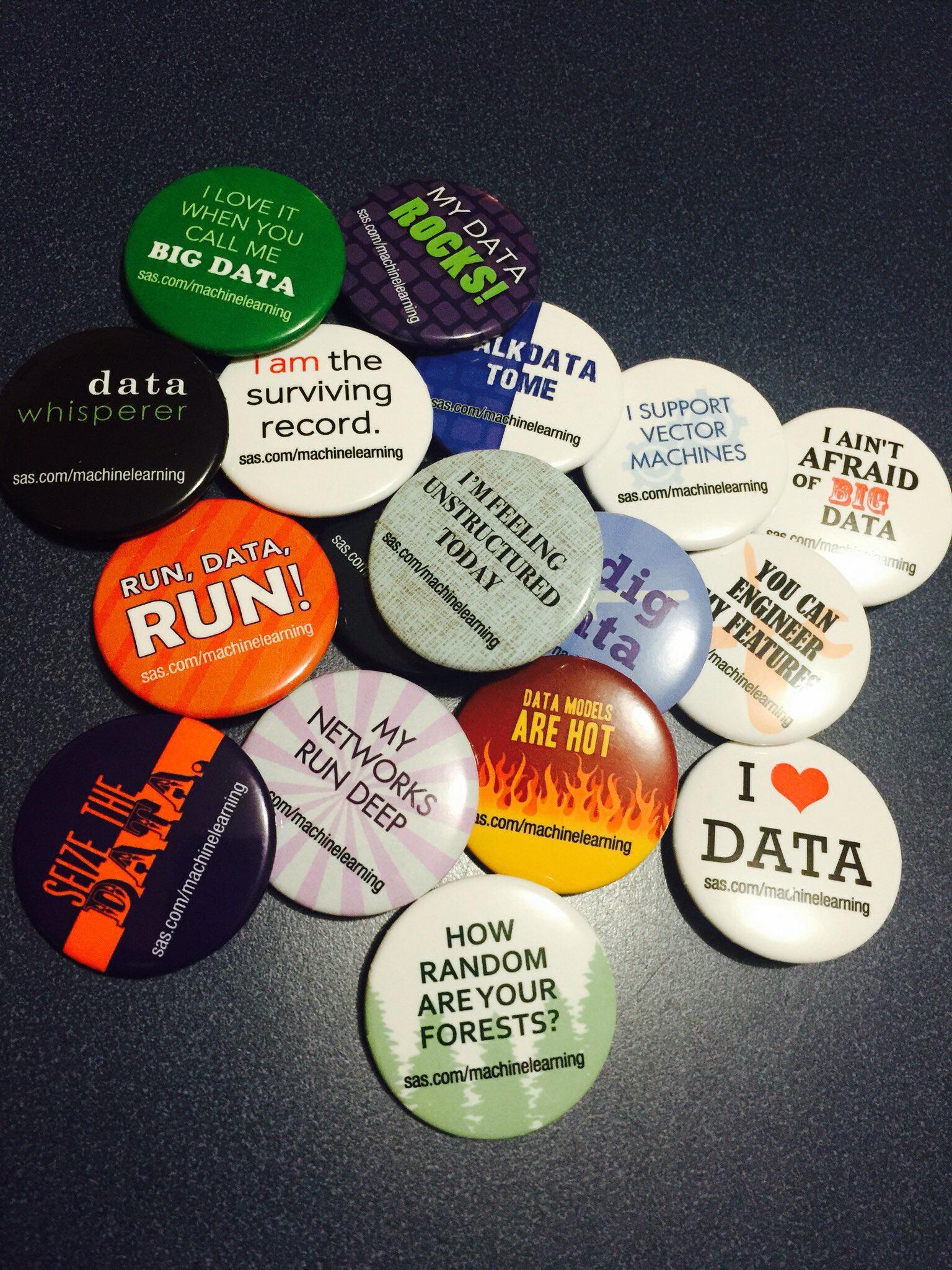

Who says machine learning can't be fun? A crew of us from SAS went to San Francisco for the recent KDD conference, which bills itself as "a premier interdisciplinary conference, [which]brings together researchers and practitioners from data science, data mining, knowledge discovery, large-scale data analytics, and big data." We brought
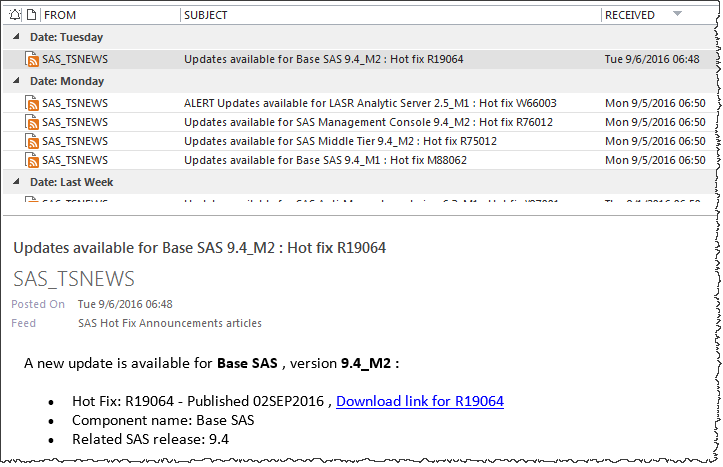

SAS releases regular updates to software products in the form of hot fixes and maintenance releases. Hot fixes are SAS' timely response to customer-reported problems, as well as a way to deliver occasional security-related updates that can affect any software product. At SAS we call them "hot fixes." Other companies


You've seen the QR codes that you can just scan in with your smartphone's camera, rather than writing down a web URL or other information, right? But do you know how to create your own QR code? Here's an easy way to create them, using SAS... You're probably familiar with


Data governance can encompass a wide spectrum of practices, many of which are focused on the development, documentation, approval and deployment of policies associated with data management and utilization. I distinguish the facet of “operational” data governance from the fully encompassed practice to specifically focus on the operational tasks for

The internet of medical things, spurred by the advent of wearable sensors, has dramatic consequences in industry, healthcare, and analytics, just as the advent of the internet of things and analytics has consequences in education. When I began my internship at SAS in May, I knew little about the internet of

If you’re doing data processing in the cloud or using container-enabled infrastructures to deploy your software, you’ll want to learn more about SAS Analytics for Containers. This new solution puts SAS into your existing container-enabled environment – think Docker or Kubernetes – giving data scientists and analysts the ability to


As teachers, we lean into our experience. We trust our judgment about students and our instruction. We trade teaching stories with colleagues. And increasingly, we examine student growth data that illuminates our practice and occasionally suggests we refine our approach to individual students. In the past decade, states and districts

For a SAS professional, presenting at SAS Global Forum 2017 can be a very rewarding. It can enhance your conference experience, help expand the knowledge of the broader SAS community, and advance your career by putting you on display as an expert SAS professional. It can also be a little

Next week, Work/Life, HCC, and RFC will hold the first ever Sleep Transformation challenge for SAS employees and their adult family members. As part of a series of blogs on sleep by the Work/Life staff, today’s topic is Children and Sleep. Like adults, many children do not get enough

As you may know, Work/Life is partnering with RFC and HCC to launch a Sleep Transformation next month, so I thought I would focus this month’s blog on the importance of sleep for older adults with dementia. We are all aware of the importance of a good night’s sleep,


El big data se ha convertido en una parte fundamental del éxito de las compañías visionarias que comprenden y valoran la importancia de la recolección y análisis de los datos generados en una empresa. Sin embargo, el big data sin la presencia de un científico de datos podría carecer de

Time series machine learning techniques show great promise for the analysis of health care wearable data. As our busy lifestyles render continuous monitoring more and more essential, the need to analyze data to find correlations between these data streams becomes even more important, because they can provide important cues to


Lately I've been binge-watching a lot of police procedural television shows. The standard format for almost every episode is the same. It starts with the commission or discovery of a crime, followed by forensic investigation of the crime scene, analysis of the collected evidence, and interviews or interrogations with potential suspects. It ends