All Posts


O testemunho de Maria do Carmo Castro Correia, que usufruiu do Software SAS e pôde comprovar, por experiência própria, a sua utilidade assim como o apoio incondicional dado pela equipa de pessoas que fazem parte do SAS. A relação do SAS com o mundo académico é algo que vem


As we're in the thick of hurricane season, I'm sure some of my fellow map-makers are wanting to create their own custom hurricane maps. In this blog post, I step you through the process, so you'll know where to find all the pieces, and how to put them together. I


En los últimos años y en particular este año, la mayoría de las empresas financieras han estado experimentando un significativo cambio de paradigma: pasar de la “medición del riesgo” a la gestión del negocio a partir de su riesgo. Los desafíos, que imponen actualmente la economía mundial y regulaciones de


The startup ecosystem is dynamic and the flow of venture capital into tech is at an all-time high. Billions of dollars are invested in tech startups every year. Many tech startups market themselves as ‘powered by AI’ and pitch investors with buzzword laden phrases such as, ‘we leverage state of


IoT projects show through their versatility again and again how important interdisciplinary cooperation and partnership formation between companies is nowadays. In order to guarantee success, organisations must pay special attention to the interaction of hardware, software and research. The European 4.0 Transformation Center (E4TC) on the campus of Aachen University, Germany,
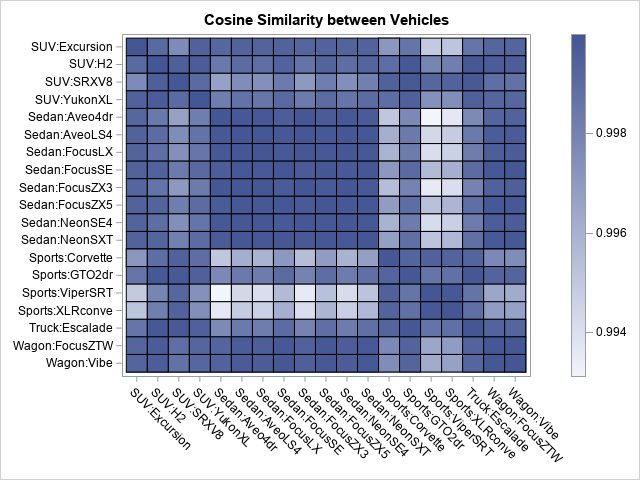

An important application of the dot product (inner product) of two vectors is to determine the angle between the vectors. If u and v are two vectors, then cos(θ) = (u ⋅ v) / (|u| |v|) You could apply the inverse cosine function if you wanted to find θ in


“La liquidez es el oxígeno de un sistema financiero” Ruth Porat “El mercado puede permanecer irracional más tiempo del que usted puede permanecer solvente”
“Lo que no se define no se puede medir. Lo que no se mide, no se puede mejorar. Lo que no se mejora, se degrada siempre.” William Thomson Kelvin, físico y matemático británico (1824 – 1907) Todo sommelier tiene conocimiento que en el proceso de elaboración de vinos existen


SAS is once again organising a global football tournament open to SAS offices around the world, with the event now in its 20th consecutive year. After winning last year’s tournament in a dramatic penalty shootout against the USA, we at SAS Scotland are looking forward to defending our title in


.@philsimon chimes in about data-related accomplishments and challenges.


I am Joseph Kneen from SAS Ireland, and I want to share my story about my passionate work with students here at Dublin. In recent years what I have really loved doing is passing on knowledge, teaching others to use and get the most from technology. An added advantage is that I have a good excuse to go off and learn other


前回に引き続き、SAS Global Forum 2019で公開された論文をご紹介します。今回は、SASユーザを含め、SAS言語とオープンソース言語の機能を共に活用することで、様々なビジネス課題に対応できるようなコーディング事例をいくつかピックアップします。 1.Deep Learning with SAS® and Python: A Comparative Study ご存知の通り、SASはディープランニングに関する専門性の高いかつ豊富な機能と製品を提供しています。この論文では、SASとPythonに対し、それぞれ違うデータタイプ(例えば:構造化と非構造化、イメージ、テキスト、シーケンシャルデータ等々)を使ったディープラーニングのモデリングを比較する論文となります。主にSAS環境でのディープランニングフレームワーク、そして、SASとPython言語のディープランニングプログラミングの違いによって、それぞれのメリットとデメリットの紹介となります。 2.Utilization of Python in clinical study by SASPy Pythonは近年最も使われているプログラミング言語になってきました。そして現在、機械学習とAI領域でもよく使われています。Pythonの一番のアドバンテージはその豊かなライブラリを通じ、多種多様な分析をインプリメントできることです。SASは臨床研究領域で最も強力な分析製品でありながら、さらにPythonを使うことによって、そのレポーティング機能、例えば、データ管理、データ可視化を拡張できます。これもSASプログラマーユーザのキャリアに対し、潜在的なメリットです。その様な背景において、SASPyはその可能性を実現します。SASPyはPythonコードの中でSASのセッションをスタートできるPythonパッケージライブラリとなります。この論文では、基本的なSASPyの使用方法とSASのデータセットを処理するヒントについて紹介しています。そして、Pythonを使って、臨床研究で使えそうなレポーティング機能について検討します。 3.Everything is better with friends: Executing SAS® code in Python scripts with SASPy SASPyはSASがPythonプログラミング用に開発したモジュールで、SASシステムに代わるインタフェースを提供しています。SASPyを通じて、SASプロシージャはPythonスクリプトと構文で実行することができ、かつ、SASデータセットとそれに相当するPythonデータフレームの間にデータを転送することも可能です。それにより、SASプログラマーはPythonの柔軟性を利用してフロー制御を行うことができ、PythonプログラマーはSAS分析をスクリプトに組み込むこともできます。この論文では、Pythonスクリプト内で通常のSASコードとSASPyの両方を使用した一般的なデータ分析タスクの例を幾つか紹介し、それぞれの重要なトレードオフを強調し、多種プログラミング言語ユーザになれることの価値を強調しています。SAS University Edition用のJupyterLabインタフェースを使用し、それらの例を再現するための説明も含まれています。それらのSASとPythonのインテグレーション例はJupyter Notebookとしてダウンロードできます。 ダウンロード:https://github.com/saspy-bffs/sgf-2019-how 4.Modeling with Deep Recurrent Architectures: A Case Study of


A lot of employers claim to have wonderful work/life balance, and say they support their employees and families. While that may be true, it doesn’t ring truer than it does at SAS. I’ve never felt more supported as someone who struggled to become a mother. When I finally did become
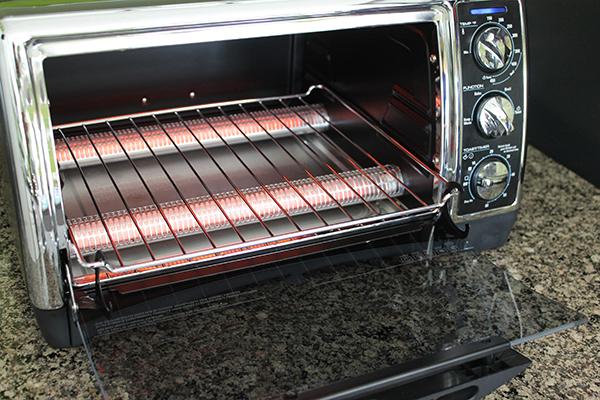

It’s time to knock the dust off your toaster oven and bring it back to life! This small appliance isn’t just for cooking frozen pizza and re-heating leftovers and can perform way more kitchen wonders than you may think.


Moving Average (MA) is a common indicator in stocks, securities and futures trading in financial markets to gauge momentum and confirm trends. MA is often used to smooth out short-term fluctuations and show long-term trends. But most MA indicators have big lags in signaling a changing trend. To be faster