All Posts


Gespräch mit Ranga Yogeshwar über die Chancen von Krisen. Miteinander mehr in andere Länder blicken. Und die KI? Was wird aus ihr?
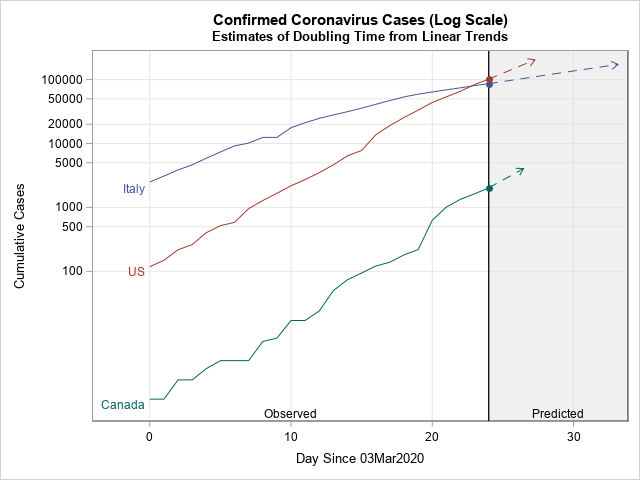

During an epidemic, such as the coronavirus pandemic of 2020, the media often shows graphs of the cumulative numbers of confirmed cases for different countries. Often these graphs use a logarithmic scale for the vertical axis. In these graphs, a straight line indicates that new cases are increasing at an


Most organisations that must maintain a physical network have similar challenges in keeping their networks safe and operational. Whether you run an energy distribution network, a telecommunications network, or a road, rail or canal network, you need to keep it clear of obstructions. And one of the biggest culprits tends
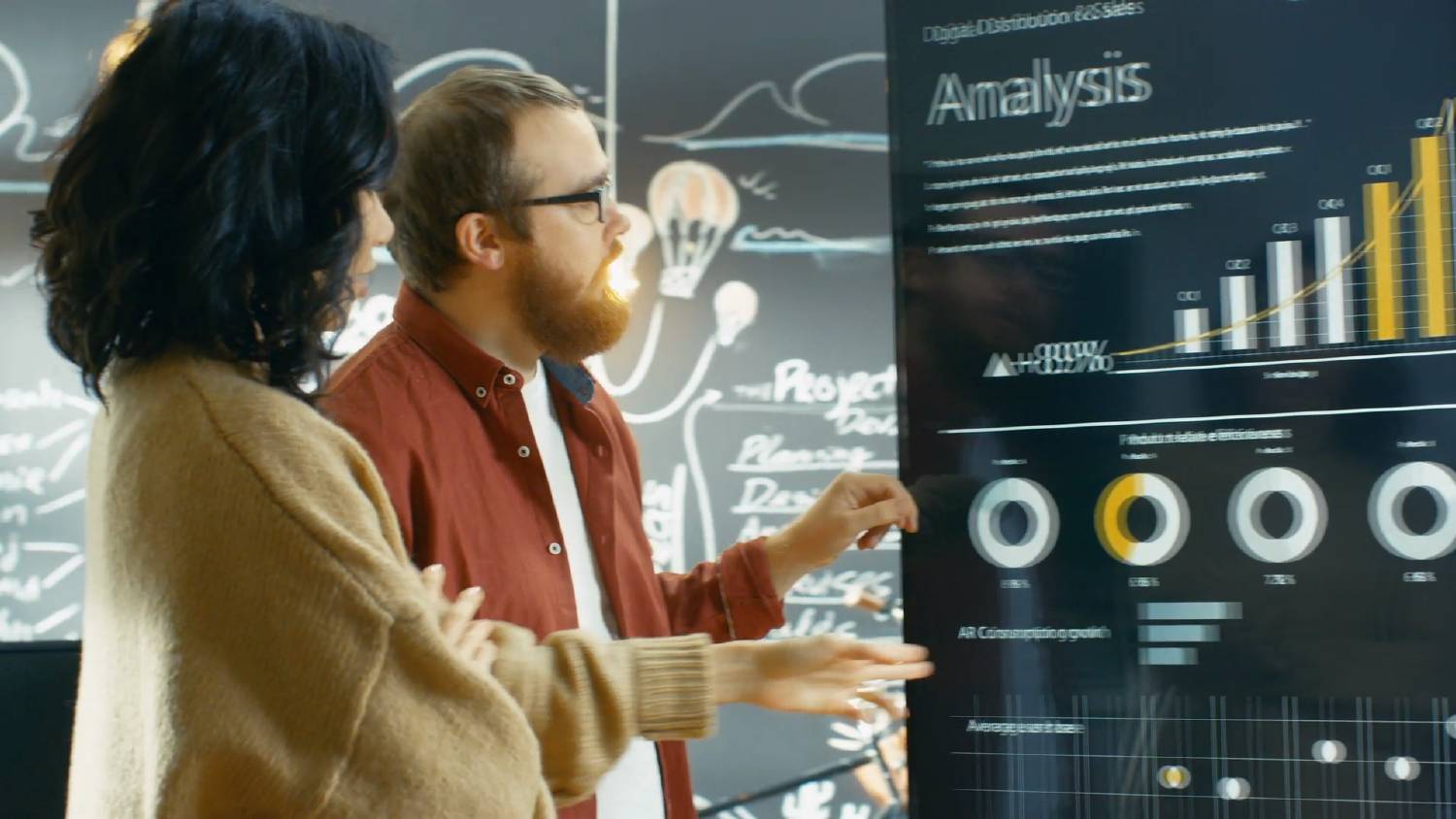

Jim Harris shows how data, analytics and humans work together to form the "insight equation."


Over the last few weeks, the world has experienced unprecedented events. The current situation with COVID-19 is developing rapidly, and it’s requiring people around the world think outside the box to creatively solve problems – from home. Remote working may be a change for some, and it can be hard


For those of us who live with our partners, our relationships have quickly turned into coworking, Coronavirus fear sharing, constantly interacting partnerships. Here are some things to consider as you adjust to these new normals. Have tips to share? Please comment below! We are more likely to remember when things


Nos primeiros dias e semanas de qualquer problema de saúde global generalizado, particularmente num surto de rápida evolução como o coronavírus, existem muitas incógnitas. A visualização de dados pode ser um bom ponto de partida para perceber tendências e transformar dados dispersos em algo útil. A capacidade de visualizar a
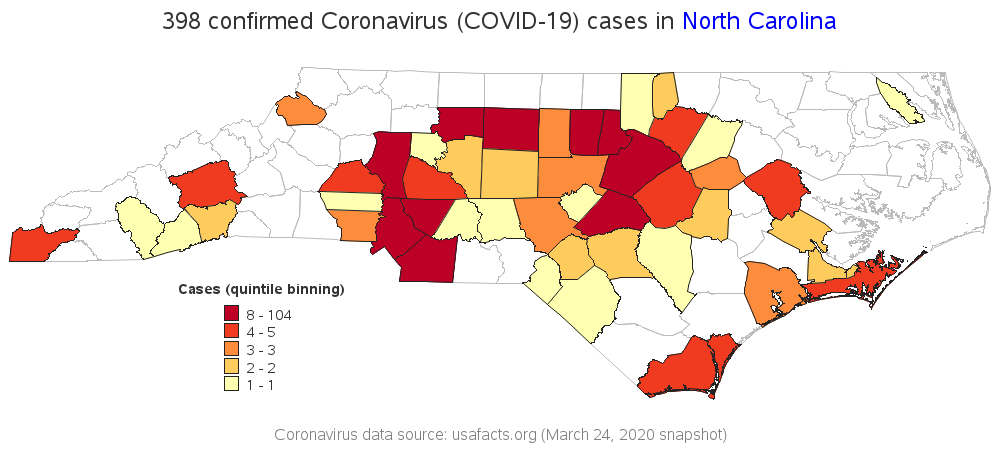

Now that COVID-19 is spreading in the US, I thought it might be helpful to view the data at a more granular level. Follow along as I plot the county data on a map and discuss how the color-binning can influence people's perception of the data. Maps like this can
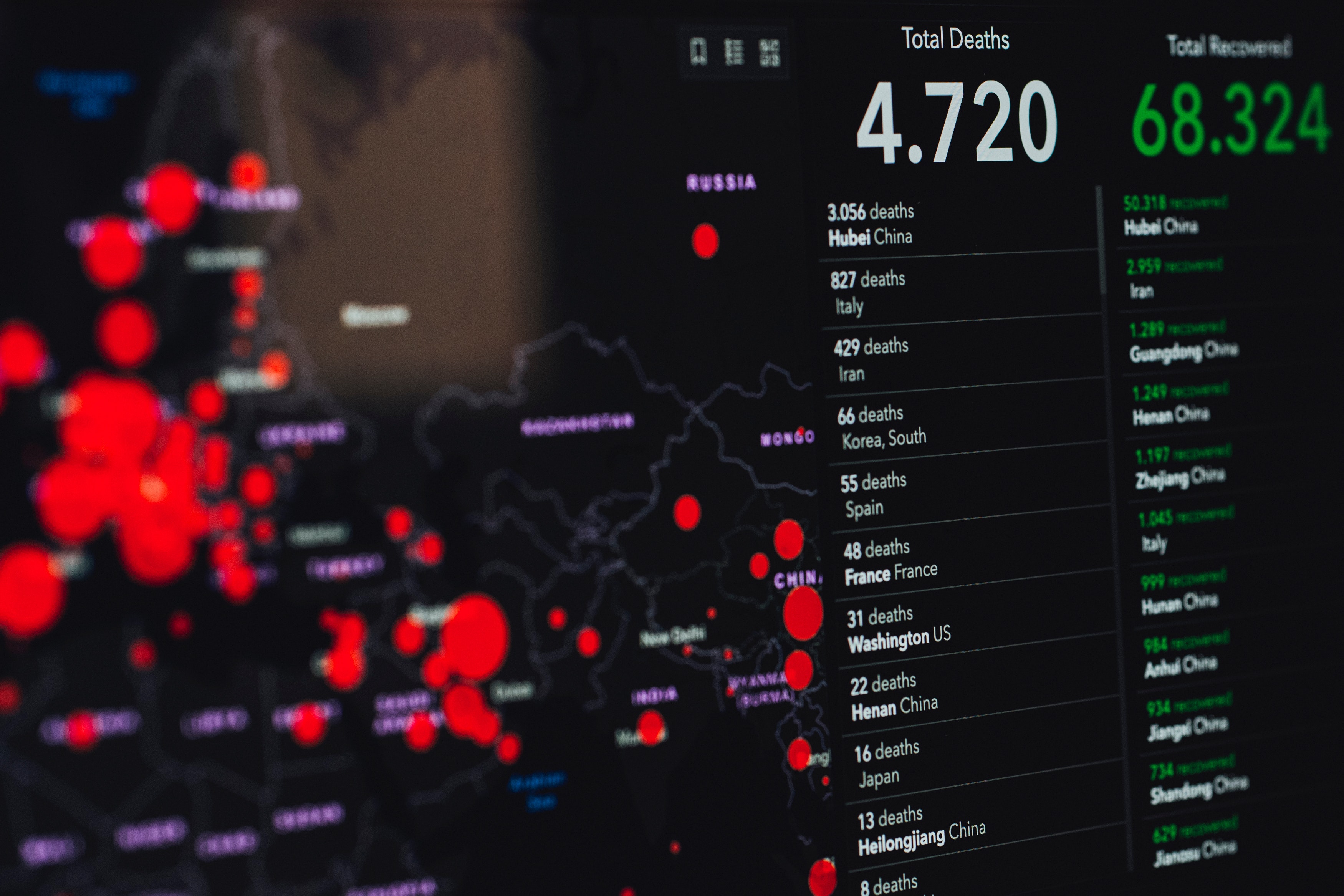

La manera en que las organizaciones operan y hacen negocios ha dado un giro radical debido a la rápida propagación de COVID-19 a escala global. De un momento a otro, las prioridades y objetivos que se establecieron al inicio del año se están replanteando, sin perder el enfoque en la

To foster digital business transformation, banks need to redesign both internal and customer-facing processes to embed data-driven decision-making.
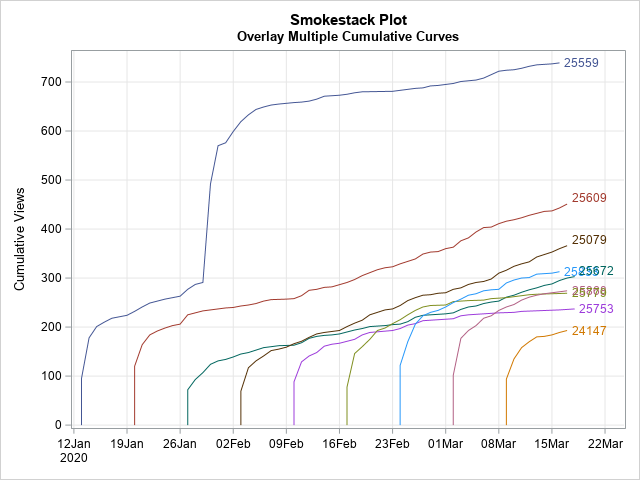
A cumulative curve shows the total amount of some quantity at multiple points in time. Examples include: Total sales of songs, movies, or books, beginning when the item is released. Total views of blog posts, beginning when the post is published. Total cases of a disease for different countries, beginning

Im Gespräch mit Wissenschaftsministerin von Baden-Württemberg Theresia Bauer und prenode Gründern Dr. Schüritz und Dr. Hirt.

#WirvsVirus: Die Corona-Krise ist zur Offenbarung geworden. Sie zeigt, wo die digitalfittesten Köpfe sitzen: mitten unter uns im Home-Office.


Wow! My IG feed has blown up with stories and posts of people working out. Everyone has EXPLODED with ALL the options, ideas, and what they are doing. It’s A LOT and I’m super proud that people are moving. Who’s been tagged with the Push Up Challenge? How ‘bout the

Las telecomunicaciones son una industria que a nivel global –y muy especialmente en México– ha mostrado un gran dinamismo en los años recientes. Son la columna vertebral por la que circula una enorme cantidad de datos, voz y video, y las que soportan e impulsan a la maquinaria de la