All Posts


One of the first and most important steps in analyzing data, whether for descriptive or inferential statistical tasks, is to check for possible errors in your data. In my book, Cody's Data Cleaning Techniques Using SAS, Third Edition, I describe a macro called %Auto_Outliers. This macro allows you to search
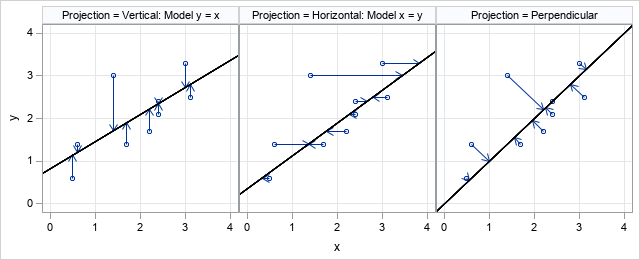

A SAS programmer wanted to create a graph that illustrates how Deming regression differs from ordinary least squares regression. The main idea is shown in the panel of graphs below. The first graph shows the geometry of least squares regression when we regress Y onto X. ("Regress Y onto X"


El mundo se está transformando y con él todos los mercados. La Tecnología Analítica, La Inteligencia Artificial, el Internet de las Cosas y la Cuarta Revolución Industrial son temas que conforman la Transformación Digital de las empresas y tienen la capacidad de mejorar el desempeño y los procesos de


I don't know about you, but, over the years, I have learned a lot during Black History Month. I have discovered stories of amazing heroes and scientists who have changed the tragectory of American life, as well as shameful episodes of exploitation and abuse in our history that have been
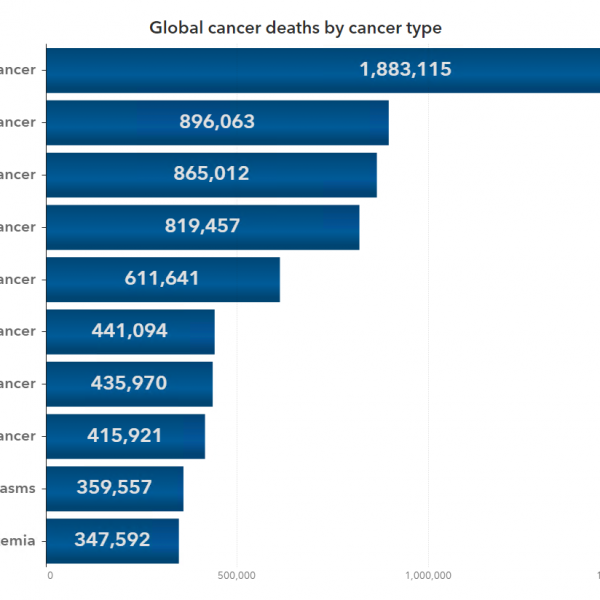

Cancer touches nearly everyone. You probably know at least one person who's been diagnosed with cancer -- many of us know many more than one. It's the second leading cause of death worldwide, behind cardiovascular disease. World Cancer Day is observed this year on February 4, and is meant to


요즘 네이버, 구글 등 각종 검색 포털 창에 ‘데이터’를 입력하면 어떤 키워드가 가장 먼저 완성될까요? 빅데이터? 데이터 분석? 물론 두 단어의 인기는 산업을 불문하고 여전히 뜨겁지만😊 그 못 지 않게 2020년 1월, 화제의 중심에 선 키워드가 있죠. 최근 뉴스 기사들을 통해 모두가 짐작했을 주인공, 바로 ‘데이터 3법’입니다. 지난 1월 9일,
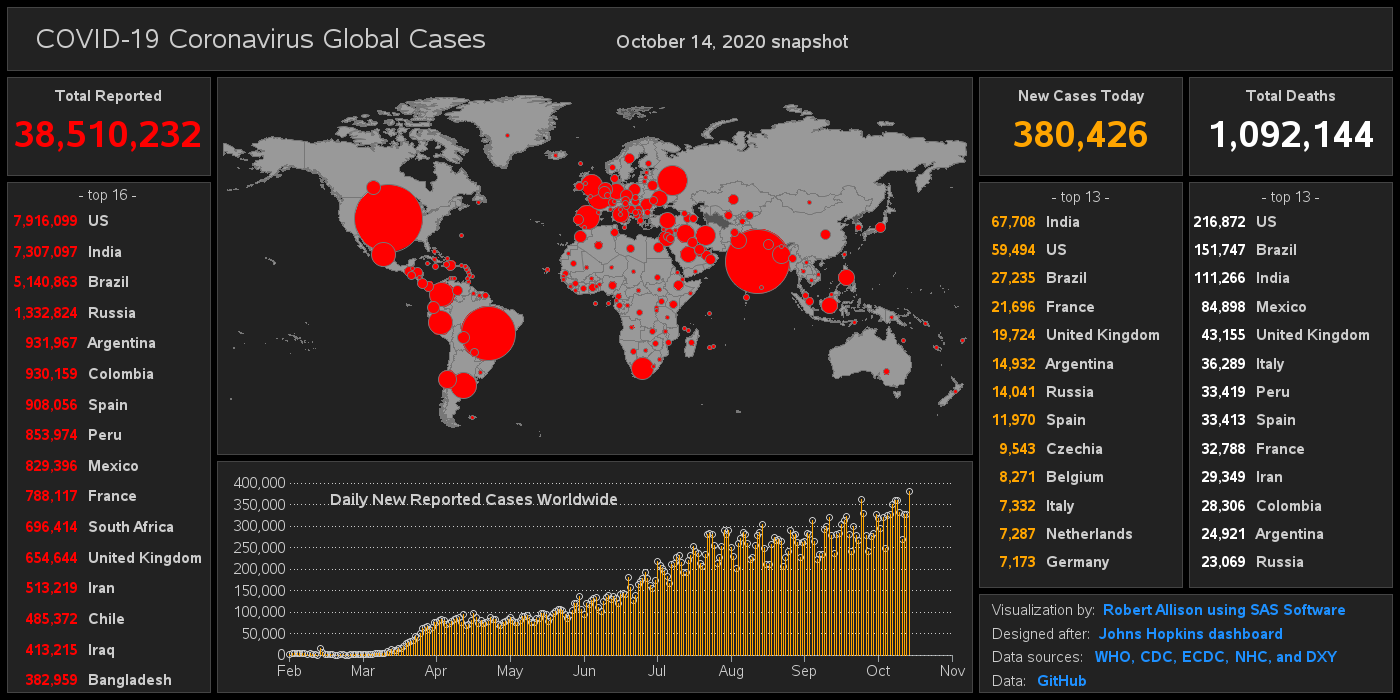

The COVID-19 Coronavirus outbreak has been in the news a lot lately, and everyone is probably looking for a quick/easy way to see the data. The best visualization I've seen so far is this dashboard by Johns Hopkins. Here's a screen-capture: But before we dive into the data analysis, let's


Recent high-profile money laundering cases have affected the reputation of the EU's financial system. In response, the European Commission is taking immediate action – faster than ever – to close the gaps. On November 2018, only six months after the adoption of the Fifth EU Anti-Money Laundering Directive (5AMLD), the


Almost everyone enjoys a good glass of wine after a long day, but did you ever stop to wonder how the exact bottle you're looking for makes its way to the grocery store shelf? Analytics has a lot to do with it, as SAS demonstrated to attendees at the National
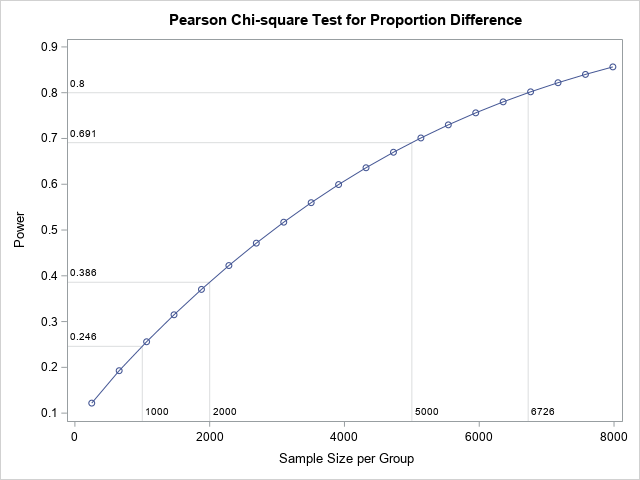
Recently someone on social media asked, "how can I compute the required sample size for a binomial test?" I assume from the question that the researcher was designing an experiment to test the proportions between two groups, such as a control group and a treatment/intervention group. They wanted to know


Data science can be a bit of a lonely job. It’s a shortage specialty, so many data scientists may be the only ones employed by their company. But they still need to learn about what’s new and exciting in the data science world. I caught up with Josefin Rosén about


El 2020 inició con la realización del NRF 2020, para muchos el principal evento de innovación y tecnología aplicadas al sector retail o comercio minorista en el mundo. Más allá de visiones como las del Experience 2030, The Future of Customer Experience is now o de charlas y exposiciones inspiradoras
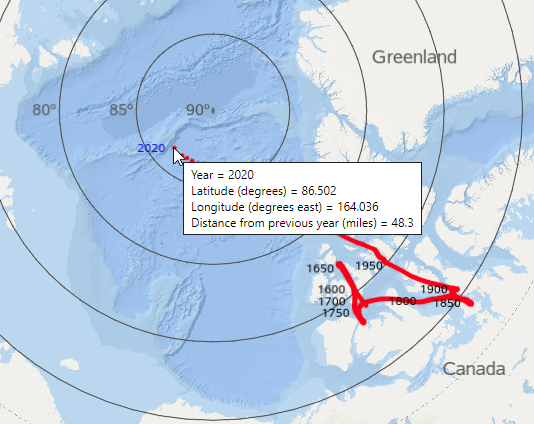
I've read several articles that mentioned the north magnetic pole has been moving more in the past few decades, than in the previous few hundred years. And as a Map Guy, I knew I just had to plot this data on a map, and see it for myself! I provide
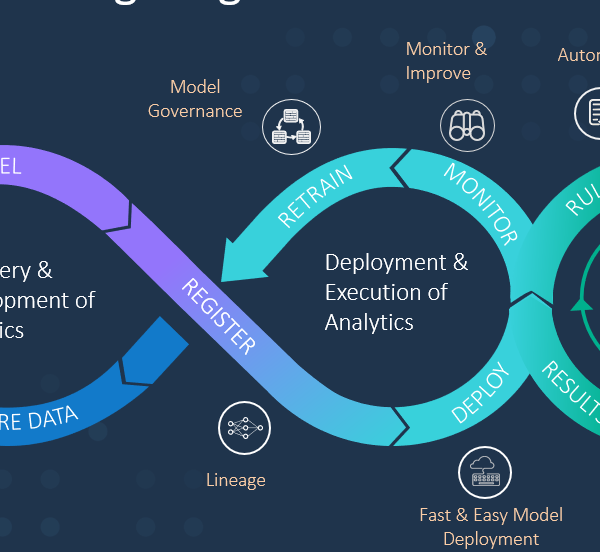

Everyone is talking about artificial intelligence (AI) and how it affects our lives -- there are even AI toothbrushes! But how do businesses use AI to help them compete in the market? According to Gartner research, only half of all AI projects are deployed and 90% take more than three
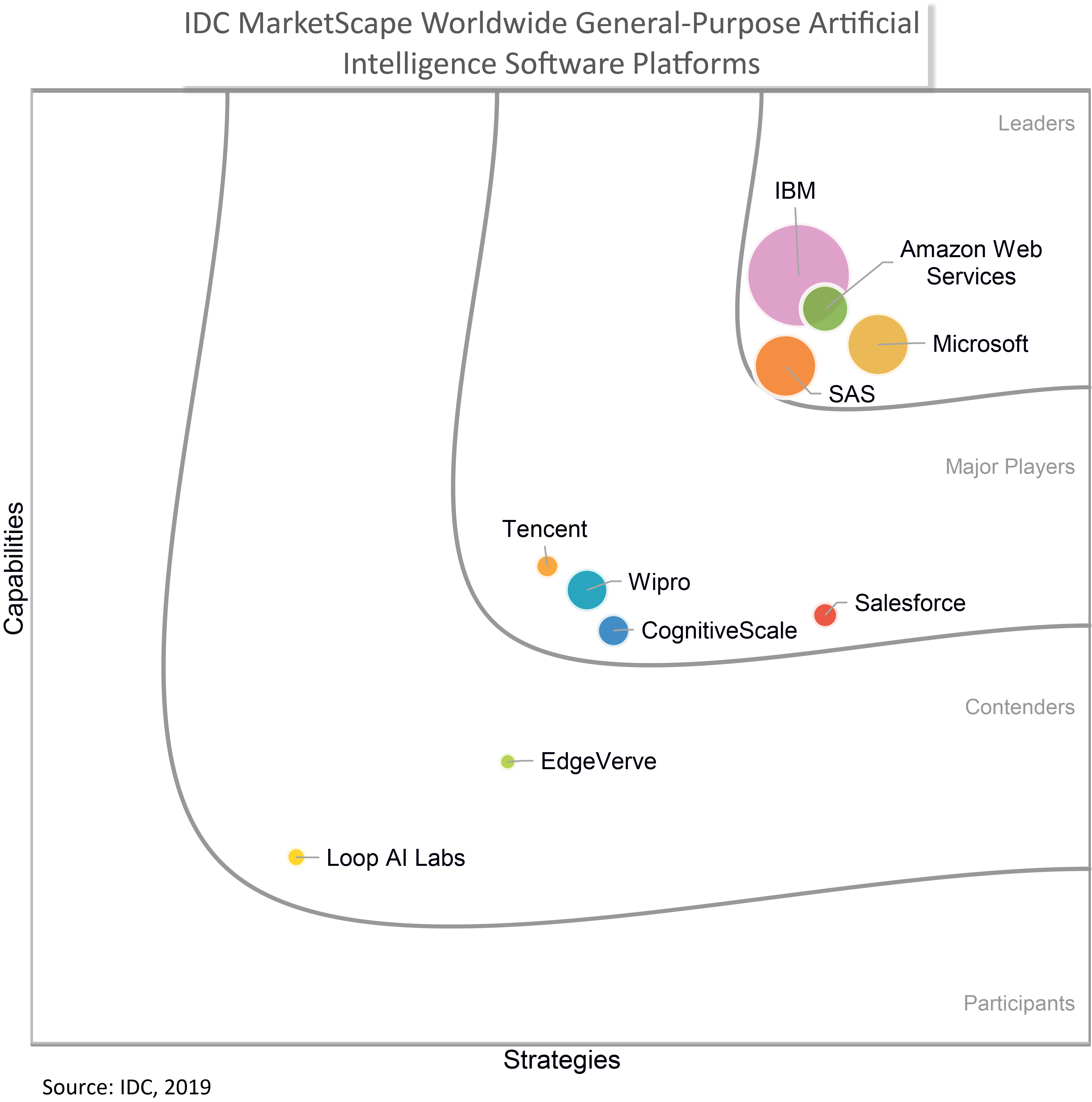
올해 1월 IDC에서 발표한 ‘IDC 마켓스케이프: 2019-2020년 전 세계 범용 인공지능 소프트웨어 플랫폼 벤더 평가(IDC MarketScape: Worldwide General-Purpose Artificial Intelligence Software Platforms 2019–2020 Vendor Assessment)’ 보고서에서 SAS가 리더로 선정되었습니다🙌🙌 IDC에서 인공지능(AI) 플랫폼 공급업체들을 평가한 것은 이번이 처음이었는데요. IDC 마켓스케이프 보고서는 수익 및 시장성을 비롯해 기업별 AI 전략 및 기능에 대한