All Posts


La pandémie COVID-19 a mis en évidence des défis majeurs dans le secteur des sciences de la vie, mais elle a également identifié de réelles opportunités de changement et de modernisation. A l’avenir, il ne fait aucun doute que les données et l’analytique auront un rôle beaucoup plus important à


Images and artificial intelligence You don’t have to be a computer geek to know that artificial intelligence (AI) is having a moment in the sun just now. In recent years, we have made huge progress in the field of AI, and particularly through deep learning algorithms. These algorithms have been


Si vous travaillez dans le retail et que vous cherchez à mettre en œuvre, ou à remplacer vos solutions de planification ou d'optimisation, vous avez trois options : Développer une solution en interne Acquérir une solution tierce « best-of-breed » Utiliser une plateforme analytique qui peut s’adapter à vos processus


Como utilizar soluções tecnológicas de análise de dados para garantir ganho de eficiência, de produtividade, e oferecer respostas mais rápidas e assertivas na solução de problemas? Essas são questões comumente levantadas por diversas organizações privadas, e a busca por resultados as obrigam a buscar essas respostas. No setor público, entretanto,


How coronavirus has led banks to reassess the value and purpose of local banking services
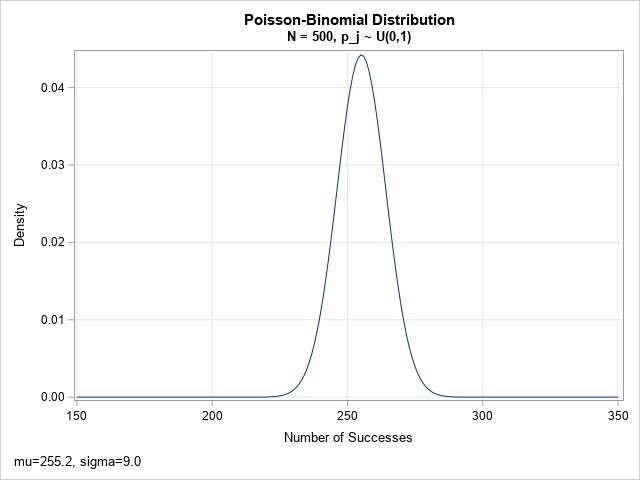

A previous article shows how to use a recursive formula to compute exact probabilities for the Poisson-binomial distribution. The recursive formula is an O(N2) computation, where N is the number of parameters for the Poisson-binomial (PB) distribution. If you have a distribution that has hundreds (or even thousands) of parameters,
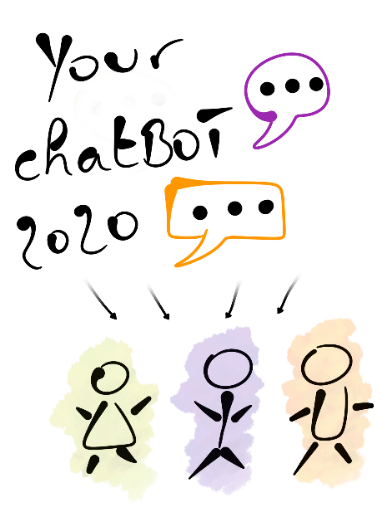

« Je suis désolé Dave, mais je ne peux pas accéder à votre demande. ", ainsi s’exprime CARL 500 – nommé HAL 9000 dans la version anglaise – dans l’épique ‘2001 : L’Odyssée de l’espace’ de Stanley Kubrick. Ce dialogue a marqué l’histoire du cinéma de Science-Fiction. CARL, IA de

はじめに 2020年5月7日から7月30日まで、約10週間 SAS本社で主催する「Global Customer Advisory Academy」という新入社員研修に参加しました。本来であれば、SAS Global本社があるアメリカのノースカロライナ州に行って受ける予定だったのですが、パンデミックという状況で全ての研修がオンラインで実施となりました。本記事では、Global Customer Advisory Academyをご紹介し、実際に参加して感じたことをお伝えします。 Global Customer Advisory Academyとは? 省略してCAアカデミーと呼ばれますが、Customer Advisoryというのは所謂プリセールスや営業支援部隊のことです。CAアカデミーは分析のコアテクノロジーや、コンサルティングスキルと方法論、SAS製品のポジショニングなどを学ぶ研修プログラムです。SASの全世界の拠点から社員が集められ、約10週間実施します。プログラム終了後は、実際の案件やプロジェクトなどに参加し、お客様の課題を解決するために活動します。具体的な情報と求人はこちらをご参考ください: https://www.sas.com/en_ph/careers/students-and-graduates/sas-academy.html#customer-advisory-academy CAアカデミーに参加するまでの事前準備 SASに入社する前は、プログラマーとしてウェブサイトの開発業務を行っていました。SASの製品を使ったこともなく、業界も異なり、また、顧客との接点やコンサルティング、営業活動などの経験もなかったので不安でした。 しかし、CAアカデミーに参加するまでに「Pre-work」というプログラムがあり、それを受講することで事前準備ができました。 1ヶ月間行ったPre-workでは、 - SASの会社概要と製品について - ビジネスマナー、リモートで効率的に研修を受ける方法 - 今回のCAアカデミーに一緒に参加する社員とのチームビルディング - CAアカデミーを終了した社員とのミーティング などがありました。特に、19カ国から31名の社員が参加するということで、それぞれの社会経験が異なり、「一緒に頑張って研修を受けるぞ!」という気分になったので心配はなくなりました。 10週間のCAアカデミー研修について CAアカデミーの詳細なカリキュラムは、グローバルトレンドと業界の動向に合わせてタイムリーに毎年変更されますが、いつも最高の研修プログラムを社員に提供するという事に変わりはありません。今回の研修で印象的だった部分は、次回にリリースされるSAS Viyaの新しいバージョンについて学べたことです。本社のR&DチームでSAS Viyaを設計した社員から直接技術的な内容について学ぶことができました。これにより、SASのお客様にも、もっと正確で専門的な技術支援を行うことができます。 また、金融、製造、官公庁、物流、小売、エネルギー、ITなど様々な分野のケーススタディを学ぶことができました。SASのお客様は全世界の多様な業界に存在しています。したがって、どのお客様にもベストソリューションを提供するために業界ごとのシナリオも勉強しました。 研修はすべて英語で行いました。英語で専門的なトピックについて長時間話したことがなくて、少し心配していましたが、研修のセッションに参加する前に準備資料を十分に読んで参加しました。また、一方的に講師が知識や情報を話すだけではなくて、理解ができていない所や気になった点はその場ですぐに質問できる雰囲気だったので積極的に聞いてみました。グループに分かれて1つのトピックについて議論し、意見を共有できた点も良かったです。CAアカデミーで十分なコミュニケーションを通じ、様々な視点から課題や解決策を考えることができました。 実は、上記のすべての研修は、自宅からオンラインで参加しました。驚きませんか?「オンラインで研修を受けることが可能なのか?」と最初は疑っていましたが、本当に問題なく約10週間の研修が無事に終わりました。SASでは全世界の約15,000人のすべての従業員がリモートワークができるような環境を提供しています。今回のCAアカデミー研修でも「6畳の部屋からグローバルネットワーキング」ということで全て自宅で参加しました。研修が終わって約2ヶ月が過ぎた現在では、一緒に研修に参加した31カ国の社員と毎月オンラインで集まってコミュニケーションを取っています。研修で築いた全世界の同期とのネットワークは私の財産です。 難しかったこと 研修のスケジュールに適応するまで少し時間がかかりました。何故かと言いますと、19カ国の31人のSAS社員がリモートで参加したため、すべての時間が異なり、全員の時間を考慮して研修のスケジュールが設定されたからです。ですので、研修スケジュールのほとんどが日本時間の午後9時から翌日午前1時、2時までと自分にとっては夜中のスケジュールとなりました。特に、私は朝早く起きて一日をスタートする、所謂「朝型人間」ですので、研修の時間に適応するまで数週間がかかりました。 日本時間で午後9時は、アメリカ時間では午前8時、スウェーデン時間では午後2時になるなど、19カ国の時間がすべて異なっていたので、31人皆が苦労した所だと思います。オンラインで会うたびに挨拶の言葉で皆が「good morning」、「good afternoon」、「good evening」この3つを全部一気に言ってしまいました。おそらく私一人だけ時差ぼけがあるのではなく、19カ国で参加した31人全員が大変だったので、協力しながら最後まで研修を受講することができたと思います。
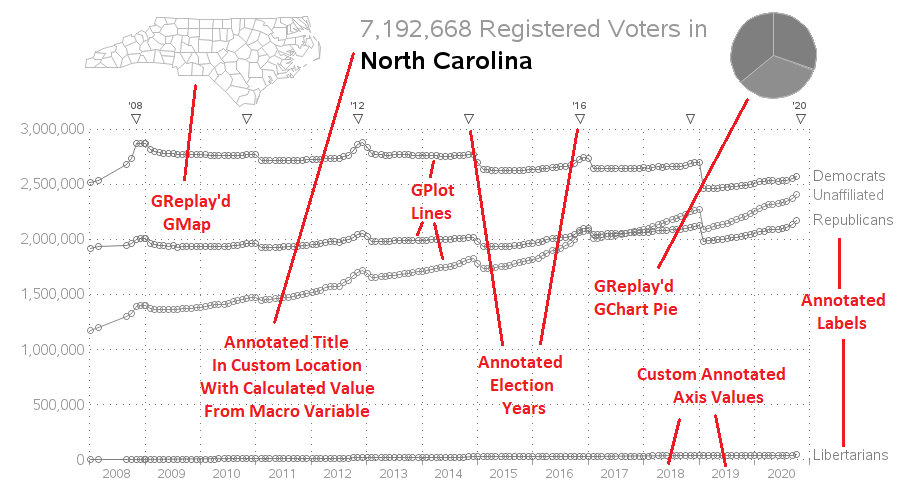

When an election is on the horizon, I always feel compelled to plot some data! And this time I'm plotting North Carolina's voter registration data! State Data For this graph, I downloaded several of the data snapshots from the NC State Board of Elections' website, and plotted a line showing


By Sarah Gates, Analytics Platform Strategist at SAS, and Olivier Penel, Data & Analytics Strategic Adviser at SAS Today, organizations of all types are having to change their perspective – of how to do business, of how to collaborate with remote employees, of how to best engage with customers and

At SAS, we believe analytics is the force that drives change across organizations. Today, as change has been further accelerated, digital transformation is happening faster than anyone planned. Amid these advances, the use of analytics has become even more crucial, especially as a role in mission-critical applications. In 2020, even
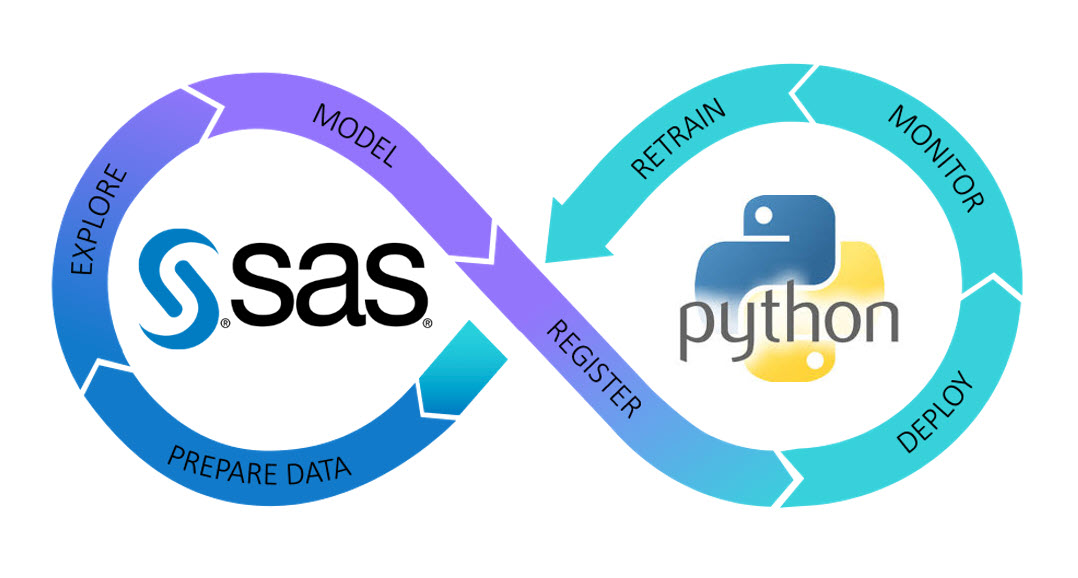

The model management process, which is part of ModelOps, consists of registration, deployment, monitoring and retraining. This post is part of a series examining the model management process, orchestrated through the Model Manager (MM) APIs. The focus of part one is on model registration, specifically on using the APIs from
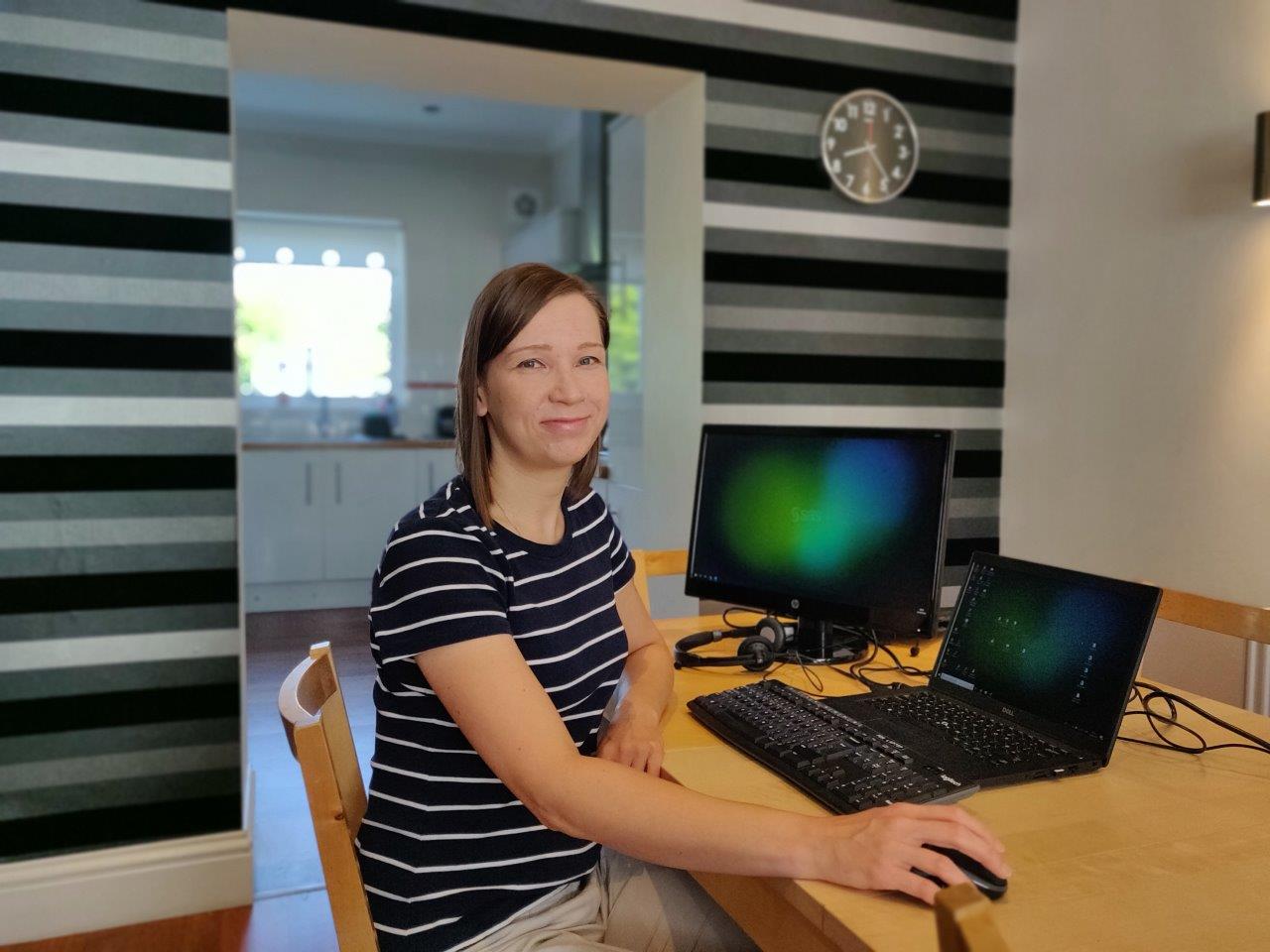

Written by Katja McLaughlin We’re proud of our unique company culture that spans across offices, divisions and geographies. It’s one of the reasons why SAS is named among the top workplaces in the world by Fortune’s Great Place to Work! If you’re curious about what it’s like to work at


Collaboration and cooperation are a fact of life in every organization. However, how it's done in practice and how effective it is can vary significantly. What drives these differences and variations? Research shows that organizational culture is an important influence, especially the value placed on two main factors: relationships and
前回のブログでは、Microsoft AzureストレージサービスのブロックBlobストレージについて軽く紹介し、SASからBlobストレージ中の特定の一つのファイルにアクセスする方法を紹介しました。 第1回リンク:https://blogs.sas.com/content/sasjapan/2020/10/01/sas-azure-blob-1/ しかし、実際のビジネスシーンでは、特定の一つのファイルにだけアクセスする運用はやはり割合的には少ないと考えています。 そこで、今回のブログでは、より効率的に、複数データに同時にアクセスできる方法を紹介します。そしてこれは、Microsoft AzureのBlobストレージをファイルシステムとしてSASサーバにマウントし、SASサーバから便利にアクセスする方法です。 前回と同じように、下記の方法を使うためには、前提条件として、SAS ViyaサーバとBlobストレージがあるAzure間でネットワーク通信ができる必要がありますので、ネットワークセキュリティ条件を確認してから、下記の方法をお試しください。 方法②: BlobストレージをファイルシステムとしてSASサーバにマウントし、SASサーバからアクセスする方法。 Microsoft Azure側: 1.まず、Azureポータルに入り、「ストレージアカウント」をクリックします。(図2-1) 図2-1 2.その配下で、使用されている対象Blob用のストレージアカウントをクリックします。(図2-2) 図2-2 3.そして、表示された左ペインの中で、「アクセスキー」というメニューをクリックします。(図2-3) 図2-3 4.該当ページでは、このストレージアカウントにアクセスするためのキーの情報が含まれているので、その中の、「ストレージアカウント名」と「キー」をメモしてください。あとで接続設定情報を作る時に使用します。(図2-4) 図2-4 5.一層上に戻り、同じくストレージアカウントの左ペインで、Blobサービスの中の「コンテナー」をクリックします。(図2-5)アクセス先のコンテナー名前(例:folderfirst)をメモしてください。あとで接続設定情報を作る時に使用します。 図2-5 以上で、Azure側の準備作業が終わります。次は、SASサーバ側の準備作業を進めていきます。 SAS Viyaサーバ側: 今回、Blobストレージをファイルシステムとしてマウントするには、Blobfuseという仮想ファイルシステムドライバー機能を使います。そのため、事前にSAS ViyaがインストールされているLinuxサーバ側に、そのツールをインストールする必要があります。 このブログで使用しているSAS ViyaサーバはRHEL/CentOS 7.x系のLinuxサーバであるため、Blobfuseのインストールを含めた手順は下記となります。 6.使用するSASユーザで、SASサーバ側にMicrosoftパッケージリポジトリをインストールします。 sudo rpm -Uvh https://packages.microsoft.com/config/rhel/7/packages-microsoft-prod.rpm 7.BlobfuseをSASサーバ側にインストールします。 sudo yum install blobfuse 8.Azureでは、低いレイテンシーとパフォーマンスのため、SSDが提供され、今回はそれを使って、ディレクトリーを作成します。(SSD使わないことも可能ですので、その場合、別ディレクトリーで作成して頂いてかまいません。) sudo mkdir /mnt/resource/blobfusetmp -p sudo chown #YourUserName#:sas /mnt/resource/blobfusetmp