All Posts


Com as grandes mudanças provocadas pela crescente digitalização durante a pandemia, os players da indústria de telecomunicações que buscam se reinventar recorrem a análises avançadas para se adaptar a um ambiente de negócios dinâmico e encontrar novas fontes de receita. As operadoras conseguiram responder adequadamente ao aumento substancial das necessidades


전 세계적으로 기후변화 대응과 지속가능발전을 위한 금융기관의 역할이 강조되고 있습니다. 이를 위한 금융기관의 노력을 지원하기 위해 SAS는 딜로이트와 함께 지난 10월, 금융권 기후 리스크 관리를 위한 ESG 세미나를 개최했습니다. 그 중 일부를 소개합니다. 금융기관이 기후 리스크를 관리해야 하는 이유 기후 리스크는 크게 물리적 리스크와 전이 리스크로 구분됩니다. 물리적 리스크는 농업에

Mais do que qualquer outra indústria, a manufatura impulsiona a saúde econômica de um país ou de uma região. Segundo estudos de mercado, o segmento de manufatura irá representar cerca de 25% da atividade econômica até 2025. Espera-se que o setor industrial assuma um crescimento de dois dígitos e sua


By Adam Goldsmith, Insurance Specialist, SAS UK & Ireland Insurers have the near-impossible task of keeping customers satisfied with the service they're given whilst ensuring costs are controlled to ensure profitability. At the point a customer makes a claim, it is at a point of high stress and emotion, but


"Now what? Responsible artificial intelligence (AI)? You're probably going to tell me that this is going to interfere with how I go about AI." Yes, I am. There's a whole list of nations coming up with strategies on AI. Check out this world map where each colored country is having a
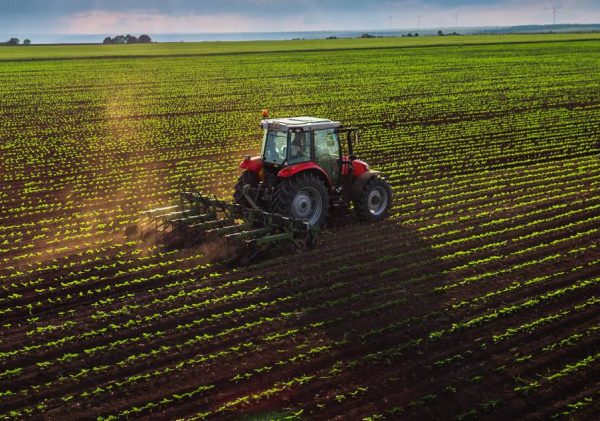
More than four decades ago, SAS developed a breakthrough system that helped farmers and researchers better understand and analyze crop yields and livestock production. It was pioneering work that laid a foundation for the emerging field of advanced analytics. While SAS has continued to grow and serve many other industries,

Leonid Batkhan introduces multipurpose TRIMS function that removes any leading, trailing or both leading and trailing characters from SAS strings.
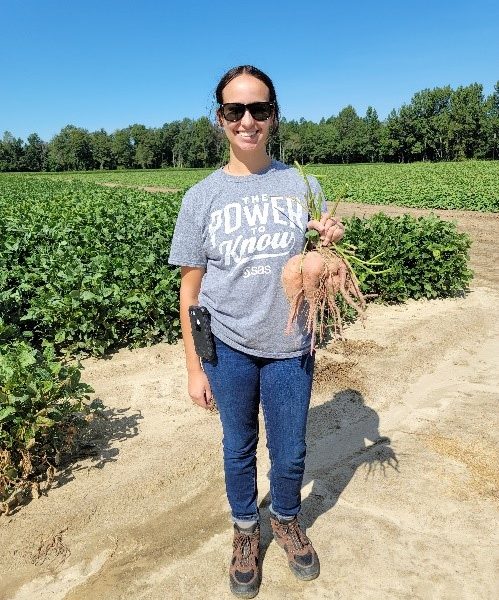

Have you ever thought of a sweet potato as ugly? These tuberous, root vegetables are a holiday staple, but the sweet potato industry prefers a certain size, shape and weight for them to make it to your grocery store. Many farmers even leave the potatoes deemed “ugly” in the fields,
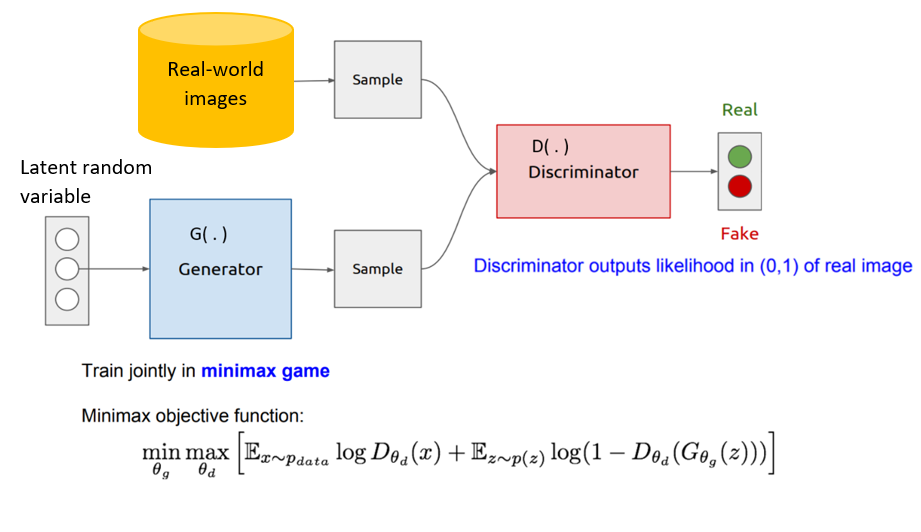

Generative adversarial networks (GANs) are one of the newer machine learning algorithms that data scientists are tapping into. When I first heard it, I wondered how can networks be adversarial? I envisioned networks with swords drawn going at it. Close… but I can assure you that no networks were harmed in the making of this article.

There are many reasons why you might want to encrypt data. I use a SAS program to encrypt a list of logon names and passwords. Before we get started describing how to encrypt data, let's discuss some basic concepts concerning encrypting and decrypting data. All computer data is stored as


A calorie is not a calorie and the advice to simply burn more calories than you take in just doesn’t work. While being aware of calories and other macronutrient numbers is important, there is more to the puzzle. Focusing on the quality of food, not just the quantity, is key
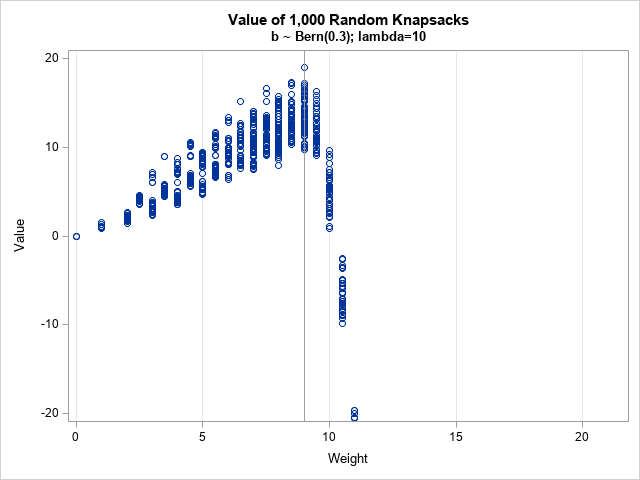

Sometimes we can learn as much from our mistakes as we do from our successes. Recently, I needed to solve an optimization problem for which the solution vector was a binary vector subject to a constraint. I was in a hurry. Without thinking much about what I was doing, I

Rajeeve Narula Cloud adoption is perhaps one of the most common themes I hear in my customer interactions these days. There is a clear mandate within the UK government’s Cloud First policy for UK government and the wider public sector organisations to fully evaluate potential for the public cloud rather


Caroline Payne, Head of Customer Advisory, SAS UK Public Sector Team Digital innovation across governments around the world has accelerated in the last 18 months as leaders turn to data and technology to deliver rapid responses to the pandemic. Public organisations have had to move quickly, whilst being acutely aware
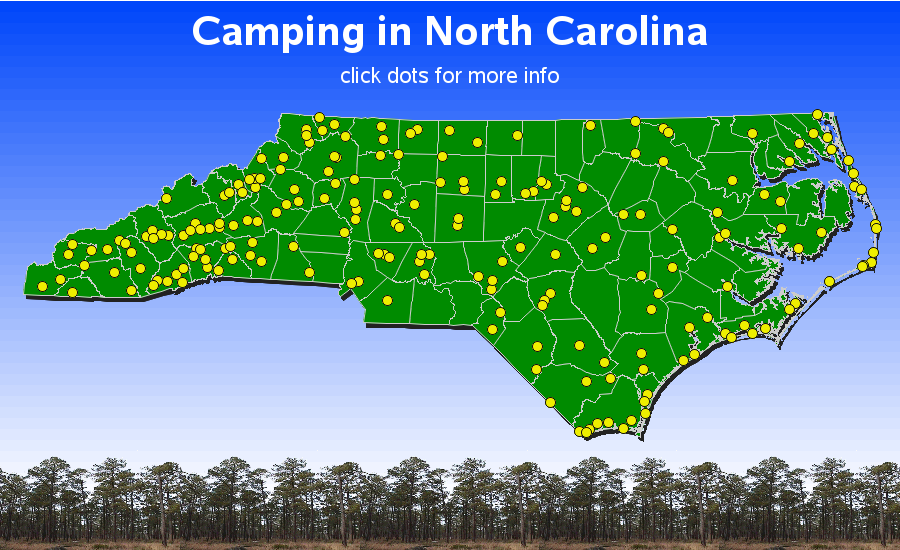

The rumors are true - The Graph Guy is retiring! I've been working at SAS for about 30 years, and had lots of fun stretching the limits of SAS' graphing & mapping software over the years. But I've decided to retire while I'm still young enough to pursue a lot