All Posts

I am having a rough spring. My allergies are awful, really dreadful. I got sick and couldn't knock it for months. I injured my hip flexor in December and on some days in Jan, Feb, and March it hurt to even stand still much less exercise. And did I mention I am 50? I

빅데이터 시대의 데이터 사이언티스트를 향한 도전! SAS코리아가 ‘제 15회 SAS 분석 챔피언십’을 개최합니다. SAS 분석 챔피언십은 차세대 데이터 사이언티스트를 양성하고 그 저변을 확대하기 위해 기획된 공모전입니다. 지난 2002년 제 1회를 시작으로 국내 가장 오랜 전통과 전문성을 자랑하는 빅데이터 공모전으로 자리잡았습니다. LG유플러스의 후원으로 진행되는 올해 SAS 분석 챔피언십의 분석 과제는 ‘나도 몰랐던 나의 취향을


Artificial intelligence. Big data. Cognitive computing. These buzzwords are the ABCs of today’s marketplace. In a recent interview at SAS® Global Forum, I discussed the unprecedented pace of change that we’re seeing in the market. It’s creating what I like to call an analytics economy. In this economy, analytics –


Alguna vez se ha preguntado ¿Cuántas decisiones afectan a las operaciones que se toman en su organización cada día? La respuesta es probablemente más de lo que se puede imaginar. Por ello, la capacidad de tomar rápidamente las decisiones operativas más adecuadas, al mismo tiempo que se aprovechan los crecientes


The forecast is frightening: Robots will take over all manual labor and self-generating code will automatically spin out the algorithms once developed by statisticians and programmers. Humans will become obsolete. What will mere mortals do all day long? Ride captive as our self-driving cars take us on a sentimental journey

I guess a coding dinosaur is someone who uses an old/legacy computer language, or at least a language that isn't en vogue these days. Coding dinosaurs are still around (and probably will be for a while), whereas the real dinosaurs that lived millions of years ago are extinct. What caused


The little SAS program’s official name was Extract_Transform_Load_ 0314.sas. But, that name was much too formal, way too long, and did not roll off of the tongue very easily at all. So, everybody simply called her: ETL Pi. ETL Pi was conceived in a 2-hour project strategy meeting in conference

여러분은 어떻게 쇼핑하나요? 온라인 쇼핑몰, 모바일 앱, 소셜 미디어 등 디지털 기술의 발전과 함께 현대인의 쇼핑 방법은 점점 더 다양해지고 편리해지고 있습니다. 동시에 기업이 고객과 만나는 접점은 그 어느 때보다 많아졌는데요. 그만큼 기업의 디지털 마케팅 전략 또한 여러 기술 요소와 방법론이 혼용되는 하나의 큰 생태계로 발전을 거듭하고 있습니다. 그 생태계의 기반에 디지털
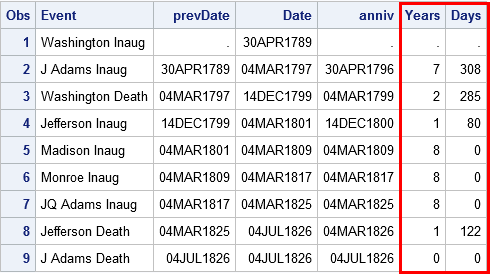

Last week I showed a timeline of living US presidents. The number of living presidents is constant during the time interval between inaugurations and deaths of presidents. The data was taken from a Wikipedia table (shown below) that shows the number of years and days between events. This article shows
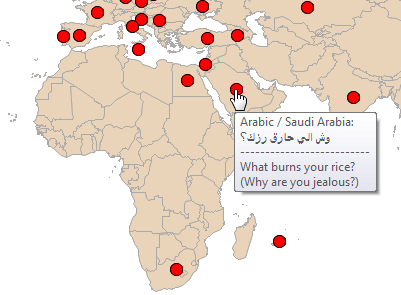
An idiom is a group of words established by usage as having a meaning not deducible from those of the individual words. For example, "don't cry over spilled milk," or "the cat is out of the bag." Idioms are fun to use, and fun to hear - don't you agree? And


I. Situación del Cliente El esfuerzo de utilizar datos para probar los errores de cálculo de la garantía involucraba demasiado tiempo, sin embargo al calcular la estimación de energía perdida del año anterior, Jerry Williams, Gerente del Programa de Sustentabilidad Ambiental de SAS cambió su perspectiva. La decisión se basó


Ivor Moan explains how SAS Data Management software can help you address GDPR requirements.


When a busy university analytics team is tasked with creating a new, interactive way to share data with dozens of different constituents, data visualization from SAS is the obvious answer. The University of Idaho’s office of Institutional Effectiveness and Accreditation is the source for comprehensive information, analyses and university statistics.


Jim Harris explains why data quality is such a fundamental aspect of master data management.


May is Global Employee Health and Fitness Month (GEHFM) and to help recognize the efforts of getting {and keeping} employees happy, healthy and fit, SAS is hosting a 1 Day Clean Eating Challenge on Thursday, May 18th. (If you are participating in GEHFM activities, this counts as one point!)