All Posts
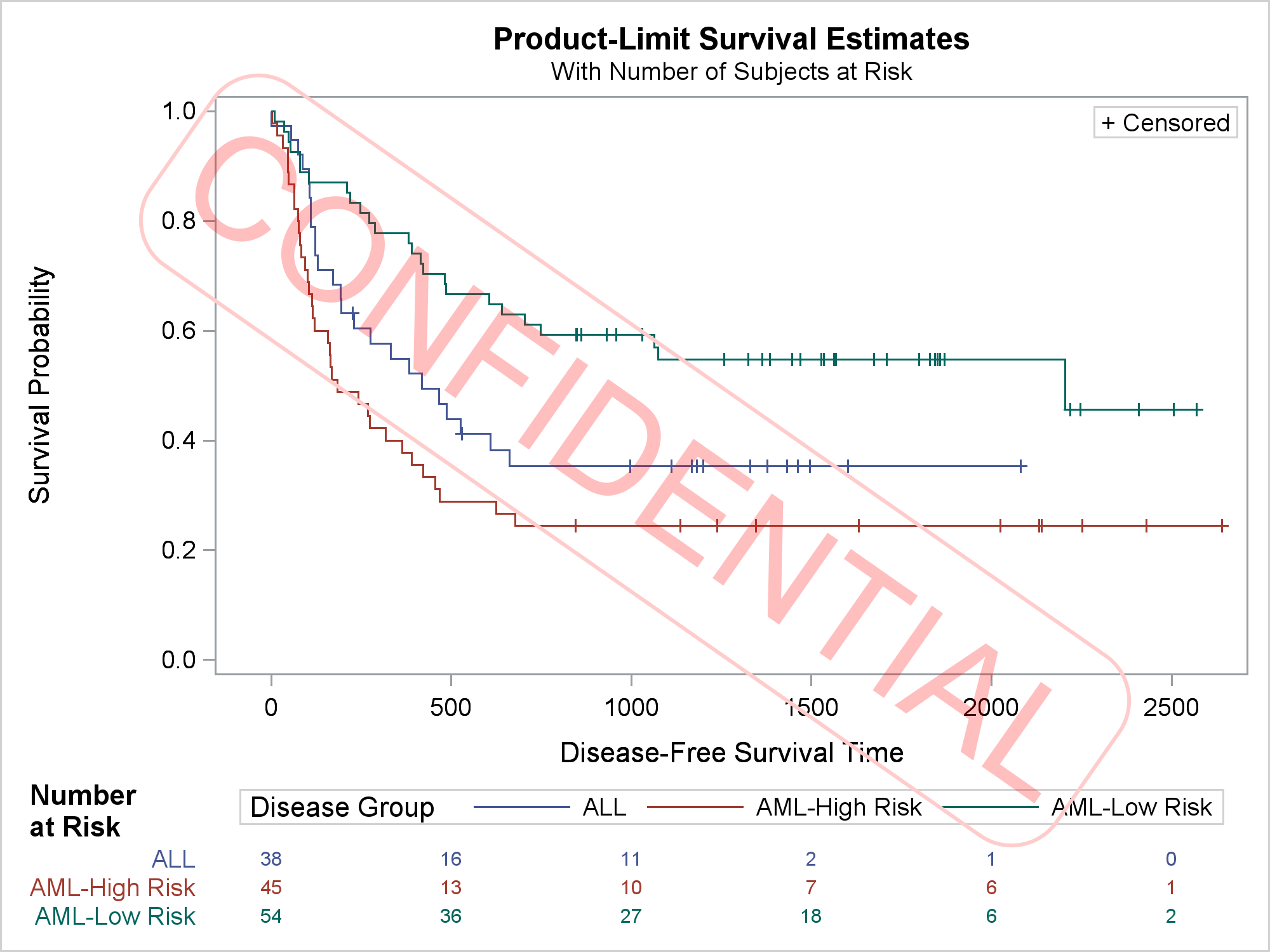

DRAW statements provide to GTL what SG annotation provides to the SG procedures--a way to add text, shapes, lines, and arrows to graphs.

If you are a SAS programmer, you may wonder why you should read this. After all isn’t SAS Enterprise Guide just for folks who don’t want to be bothered writing SAS code? SAS Enterprise Guide is just point, click, and get results, right? Well there is a lot more to


금융소비자보호국, 불공정 행위로부터 소비자 보호 버락 오바마 미국 전 대통령은 2008년 글로벌 금융 위기 이후 소비자 보호를 강화하고, 금융 업계를 규제함으로써 사태 재발을 막기 위해 다양한 노력을 기울였습니다. 그 중 하나가 바로 2011년 월스트리트에 대한 연방 감독 기구로 출범한 미국 금융소비자보호국(CFPB; Consumer Financial Protection Bureau)인데요. 금융소비자보호국은 소비자를 불공정 행위, 사기, 권력
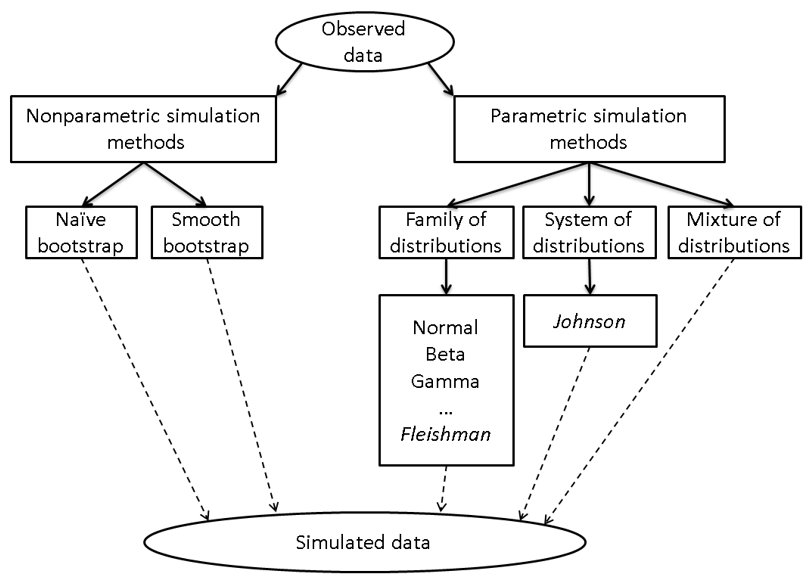

Last week I got the following message: Dear Rick: How can I create a normal distribution within a specified range (min and max)? I need to simulate a normal distribution that fits within a specified range. I realize that a normal distribution is by definition infinite... Are there any alternatives,


Each year the SAS Global Users Group Executive Board (SGUGEB) solicits applications for the SAS Global Forum Conference Chair for the conference three years from now. Individuals are identified, applications are requested, submitted applications are reviewed, candidates are interviewed, and finally a choice is made. We are asking for interested
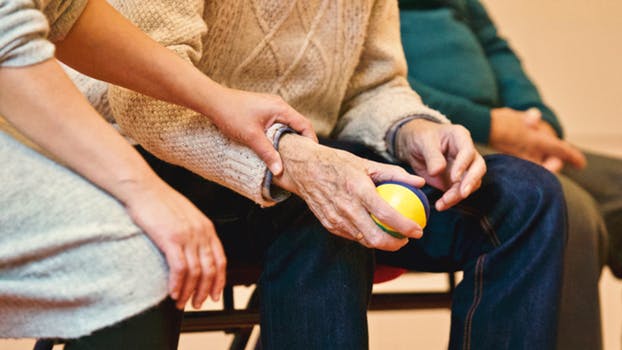

We are excited to announce a new Work/Life class offering: “Powerful Tools for Caregivers”. You might be thinking “This sounds great, but I’m not sure if it really applies to me – I’m not really a caregiver, I just do ……………. for (my wife, my husband, my mom, my dad, etc)


Sin duda, la industria del retail se ha transformado radicalmente en lo que va del presente siglo. La manera en que las empresas y consumidores interactúan ha rebasado el espacio físico de las tiendas para trasladarse a nuevos canales: sitios de comercio electrónico, aplicaciones móviles, call centers, medios sociales y
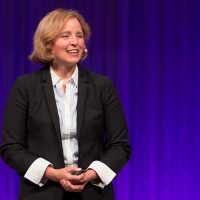

Former U.S. Chief Technology officer Megan Smith stressed the importance of continued investments in science, technology, engineering and mathematics (STEM) in her keynote address at SAS Analytics Experience, sharing a quote from George Washington. In his first address to Congress, in 1790, Washington said, “There is nothing which can better


Without a doubt, working with teachers and educational leaders to understand education data is what I love most about my job. I have enjoyed engaging with these dedicated public servants and learned so much from our collaborations. One of the highlights of my role is planning conferences for EVAAS users,


Todd Wright says the risk of fines for GDPR noncompliance may pale in comparison to the risk posed by reputation loss.


If you work in a team environment, you might be accustomed to using mapped network drives for source data folders or to publish results. If you've recently moved to a SAS server environment, you might not have those mapped drives available. How can you tell? This question was posted on
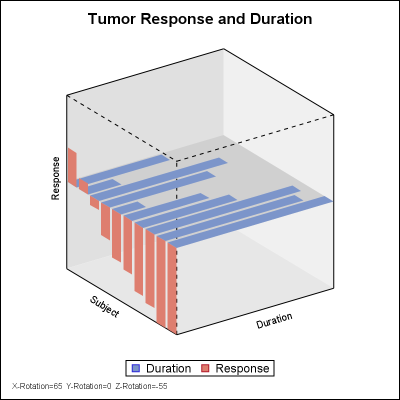

A few months ago, a user inquired about a chart that showed tumor response and treatment duration for each subject on 2 different planes of a 3D view. The data was really 2D, with one independent variable (the subject id) and two or more response values. I had provided an
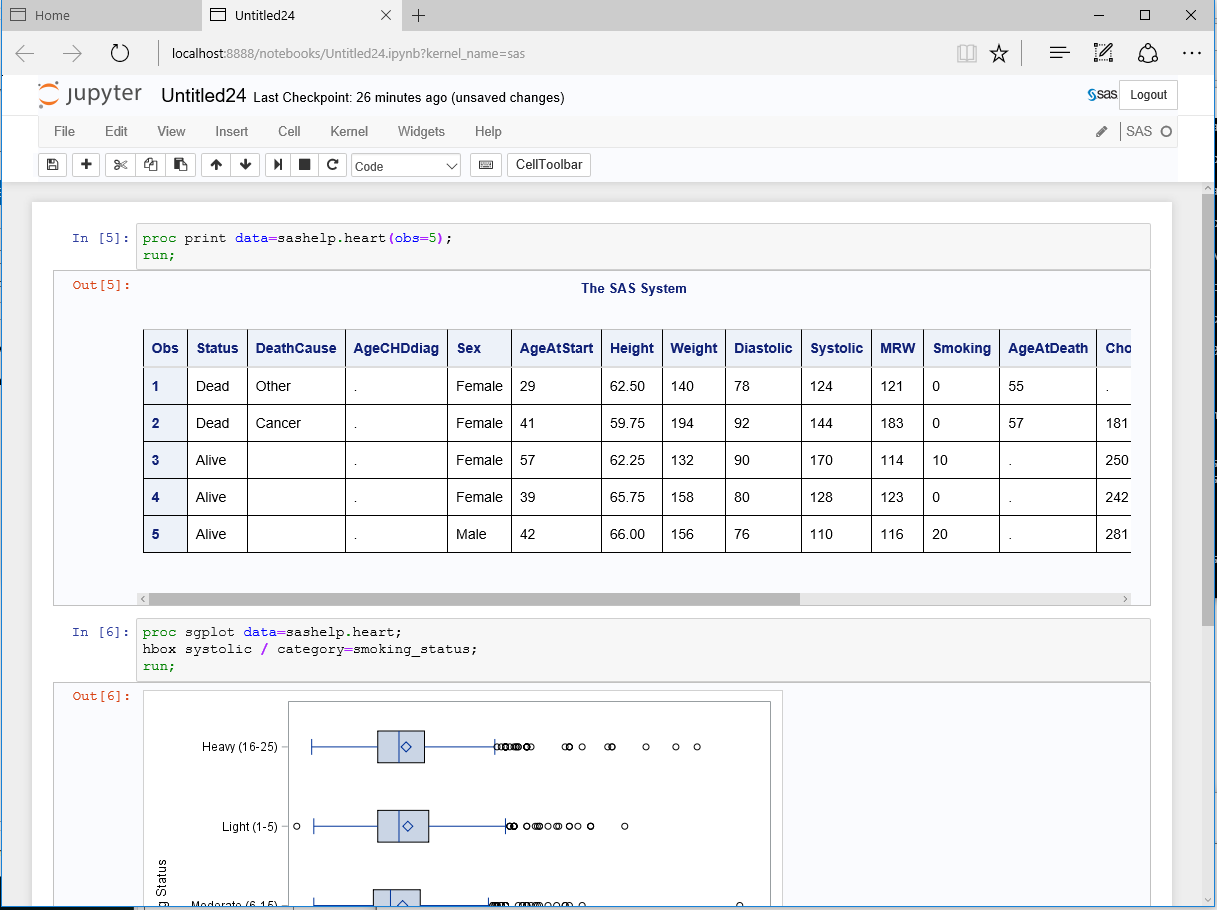

The SAS® platform is now open to be accessed from open-source clients such as Python, Lua, Java, the R language, and REST APIs to leverage the capabilities of SAS® Viya® products and solutions. You can analyze your data in a cloud-enabled environment that handles large amounts of data in a
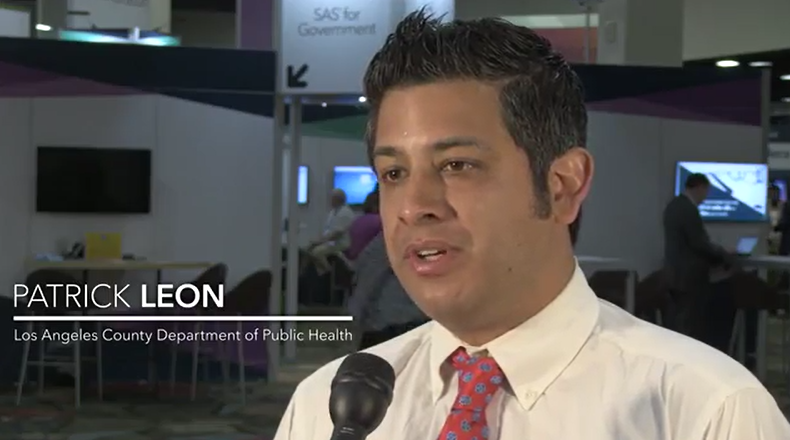

This April, more than 5,000 SAS users and business leaders will converge on Denver CO for the premier event for SAS professionals: SAS Global Forum 2018. The event provides an excellent forum to expand your SAS knowledge and network with users of all skill levels. (Last year I found myself having lunch one
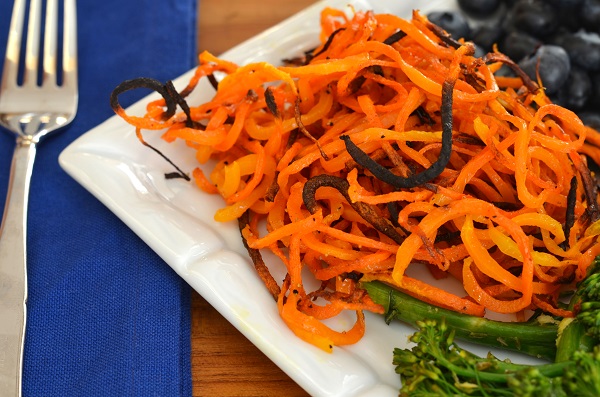

Winter squashes have risen in the ranks of foodie popularity over the past few years due to their delicious sweet flavor and versatility. And, BONUS...nutritionally they are off the charts! Their bright flesh colors of yellow, apricot and orange indicate they supply high amounts of the antioxidant, beta carotene.