All Posts


Our daily lives are constructed from a continuous series of choices; some small, some big, some connected, many unrelated. These choices are intentional decisions we make to steer ourselves towards our goals (or away from potential pitfalls). Organizations do this, too, although how and by whom is often unclear. As


When companies invest in AI, the first question often asked is: “What’s the ROI?” It's a fair question – but often the wrong one, at least in the way it's traditionally framed. In the early 2000s, no one could give you an ROI calculation for building a website. But they could


Would you trust a car to make a life-or-death decision for you? That’s the kind of question that sits at the heart of AI today. As AI rapidly becomes a part of our everyday lives, from smart assistants to AI agents, it’s easy to get swept up in the excitement.


As the COO at SAS, a lifetime golfer and a longtime resident of North Carolina’s Research Triangle region, it’s easy to single out one event every year that I take particular pride in: the SAS Championship. This year’s tournament marked the 25th edition of the PGA TOUR Champions event that
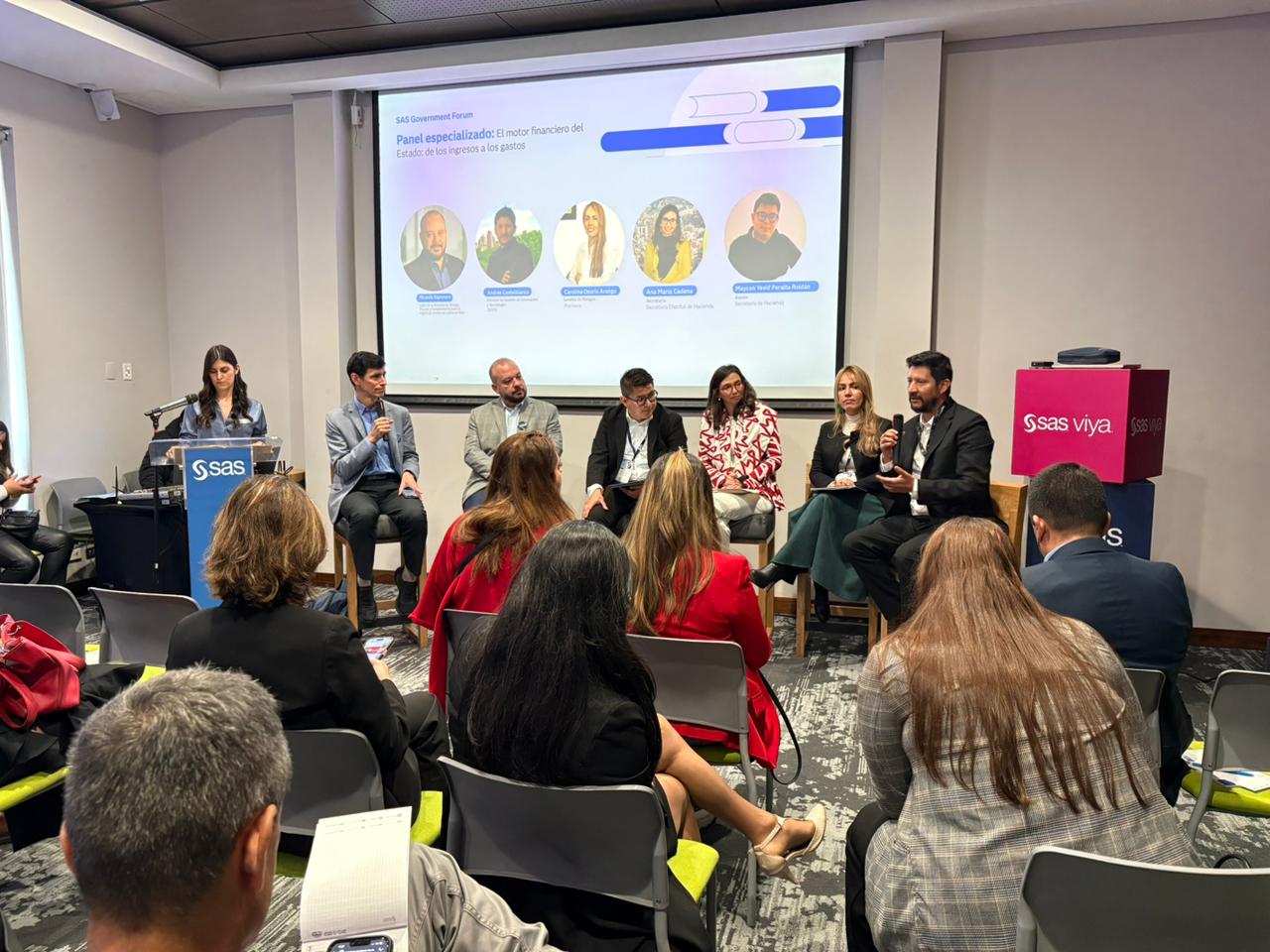

El desafío de la gestión financiera pública en Colombia es monumental. Con una cifra estimada de 136 billones de pesos que se pierden anualmente por el no pago de impuestos, la necesidad de modernización del Estado es imperativa. Ante este panorama, la analítica avanzada y la Inteligencia Artificial (IA) se
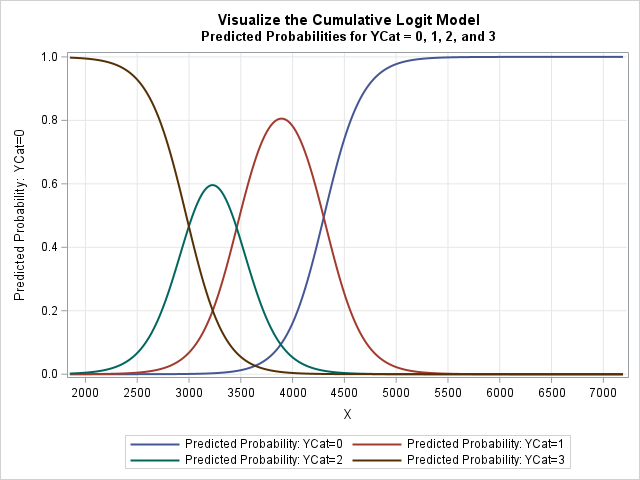

Many data analysts are familiar with logistic regression, where the response variable, Y, has two observed values, often represented as Y=0 and Y=1. The case Y=0 encodes that an event did not happen. For example, a patient did not experience some disease or did not die. The opposite case (Y=1)


A new study spanning more than two decades and more than 500,000 issuer-months presents one of the most accurate and forward-looking models of corporate credit rating transitions to date. By combining machine learning with the SAS® KRIS® 1-year default probability (KDP), the authors show how investors can gain a powerful


Every day, millions of New Yorkers rely on the MTA subway – a system so vast and complex that even small delays can ripple across the city. Trains arrive, depart and stall in an intricate rhythm that’s constantly shifting. Capturing that rhythm in real time and translating it into something


When AI projects stall or fail, most leaders assume the culprit is flawed models or immature technology. But research shows the real barrier is trust. The new Data and AI Impact Report uncovered what we call the trust dilemma: the gap between how AI is perceived and how responsibly it’s


En la era de la inteligencia artificial y el machine learning, el valor de los datos es incuestionable. Los modelos aprenden, predicen y toman decisiones a partir de los datos con los que son entrenados. Sin embargo, cuando los datos reales escasean o no pueden utilizarse por razones de privacidad,


Con la irrupción de la IA, el volumen y la complejidad de modelos en producción se han disparado. En 2024, el 65% de las organizaciones declara usar gen-AI de forma regular y la adopción de IA en general subió hasta el 72%, extendiéndose a más funciones del negocio. Esto multiplica


Have you ever found yourself bursting with motivation to overhaul your diet and dive into a new workout regimen, only to feel overwhelmed and burn out within weeks? Or maybe you’ve made such minimal changes — like swapping one processed snack for another — that you didn’t see any real


Procurement has long been burdened by complexity – slow contract cycles, compliance risks and manual handoffs that eat away at time and efficiency. As AI matures beyond basic chat interfaces and static outputs, procurement leaders are beginning to witness the transition from manual inefficiency to automated agility. What makes agentic


Before we get started, I’d like to acknowledge that we’re inundated with buzzwords – all day, every day. I work in marketing, so I totally understand I’m part of the group to blame (sorry). But hear me out: “AI engineering” not only makes sense, but it’s critical to the future
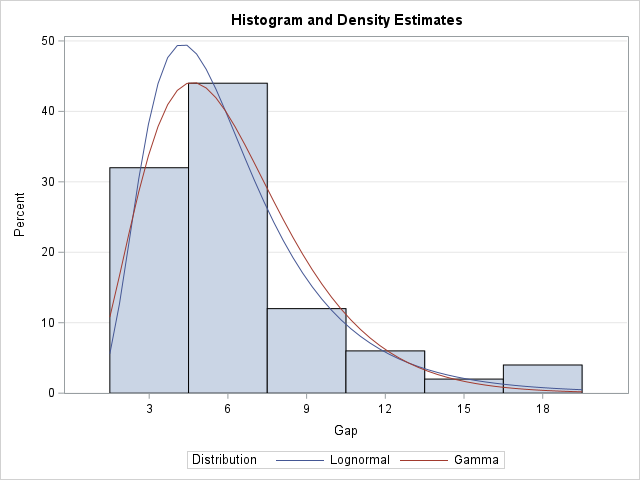
A previous article discusses various ways to overlay a density curve on a histogram in SAS. SAS provides several procedures that handle this task for common univariate probability distributions such as normal, lognormal, and gamma. If you define and use a less common distribution, you can write a GTL template