All Posts


David Loshin suggests that reference data could be the foundation of future governance structures.


Is your life philosophy putting you on the path to success? Vice President for US Government, Grant Brooks’ philosophy is doing just that. It guides every facet of his life. Focusing on significance will lead to success “For as long as I can remember, I have carried this deeply held
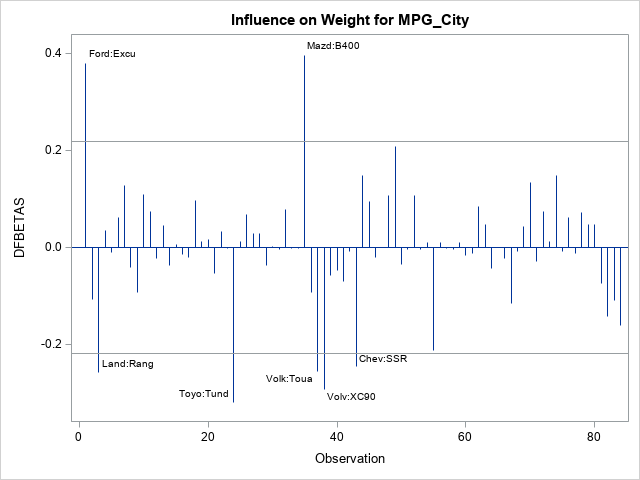

My article about deletion diagnostics investigated how influential an observation is to a least squares regression model. In other words, if you delete the i_th observation and refit the model, what happens to the statistics for the model? SAS regression procedures provide many tables and graphs that enable you to
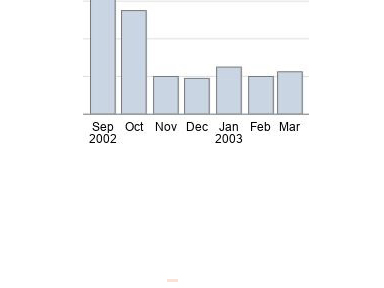

In these modern times, my utility bill has a bar chart so I can see how my current consumption compares to my historical usage. I decided to create my own version of this utility bill bar chart, and make a few improvements along the way. If you're into SGplot bar


Sin duda, el liderazgo es una de las habilidades fundamentales que garantiza nuestro éxito en el mundo de los negocios, y como mujeres, siempre nos hemos visto en la obligación de respaldar cada uno de nuestros logros a través de un fuerte compromiso laboral. Sin embargo, ser una mujer trabajadora


If you're curious what makes SAS a great workplace, one answer always rises to the top - our people. It's no secret that the people who work here are some of the best and brightest - not to mention the most passionate, accountable, authentic and curious people you'll ever meet.
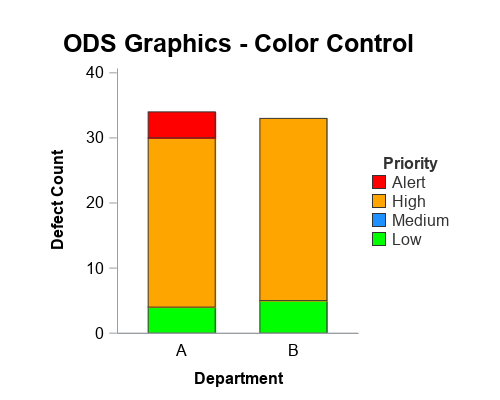
In this 'Rosetta Graph' example, I demonstrate how to control bar chart colors in Gchart and SGplot. But first, here's a little diversion... some artwork in my office here at SAS. There's a *lot* of artwork hanging around at SAS, but this particular painting wasn't created by the SAS artists
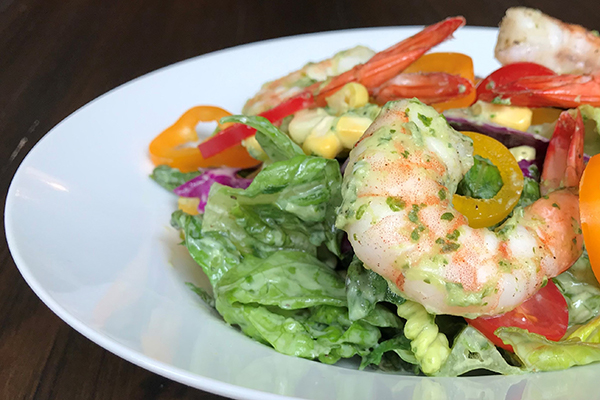

It’s that time of year again — picnics, parties, and backyard cookouts. The smells of summer are starting to permeate the air — fresh cut grass, honeysuckles, sunscreen, and the aroma your neighbors’ dinner floating from their grill into your nose.
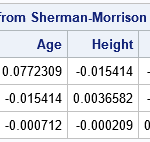
For linear regression models, there is a class of statistics that I call deletion diagnostics or leave-one-out statistics. These observation-wise statistics address the question, "If I delete the i_th observation and refit the model, what happens to the statistics for the model?" For example: The PRESS statistic is similar to


Hoy en día, las organizaciones necesitan analítica de alto rendimiento para mejorar todos sus indicadores de negocio, ya no es un lujo: es una necesidad. La transformación digital y el análisis empresarial son una prioridad en la agenda de muchas empresas que buscan destacar en un mundo hiper competitivo que
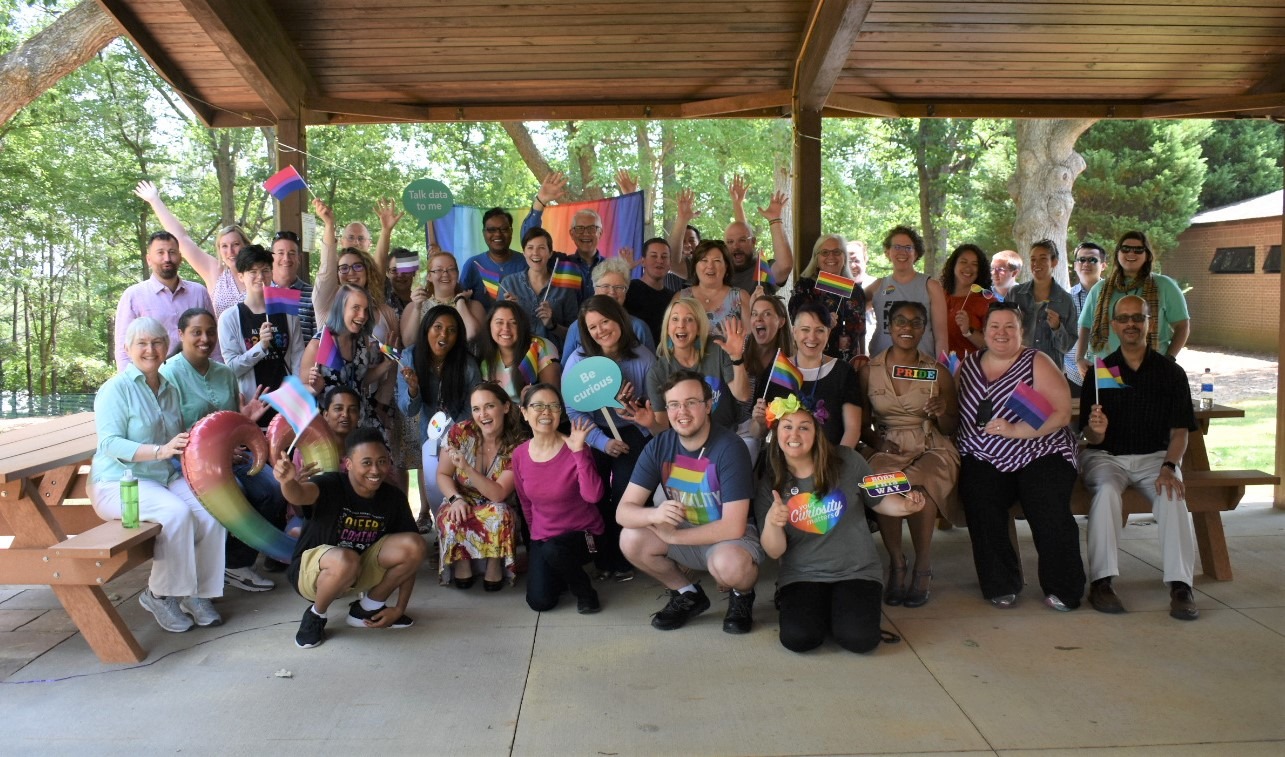

June is PRIDE month and there are lots of cool events at SAS and in the community that you can attend to celebrate and learn and have fun. In this blog I am going to share some tips on being an ally-- not just in June, but all year round.


Os novos paradigmas resultantes da introdução de novas tecnologias e da alteração de comportamentos e hábitos de consumo, resultam em forças esmagadoras que pressionam as indústrias a alterações substanciais na forma como trabalham e interagem com os seus clientes. A área dos Seguros não é exceção e movimentos de consolidação
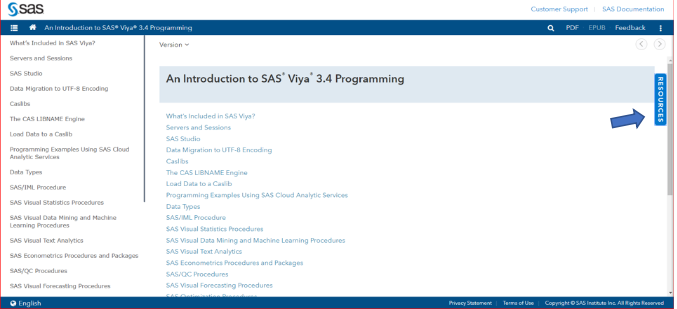

Sometimes the questions are complicated, and the answers are simple. - Dr. Seuss It seems appropriate that this blog include a Dr. Seuss quote about learning when discussing a new simple, yet deceivingly powerful initiative to help SAS customers with their journey to discover as much as possible about our


This article is a follow-on to a recent post from Jeff Owens, Getting started with SAS Containers. In that post, Jeff discussed building and running a single container for a SAS Viya runtime/IDE. Today we will go through how to build and run the full SAS Viya stack - visual
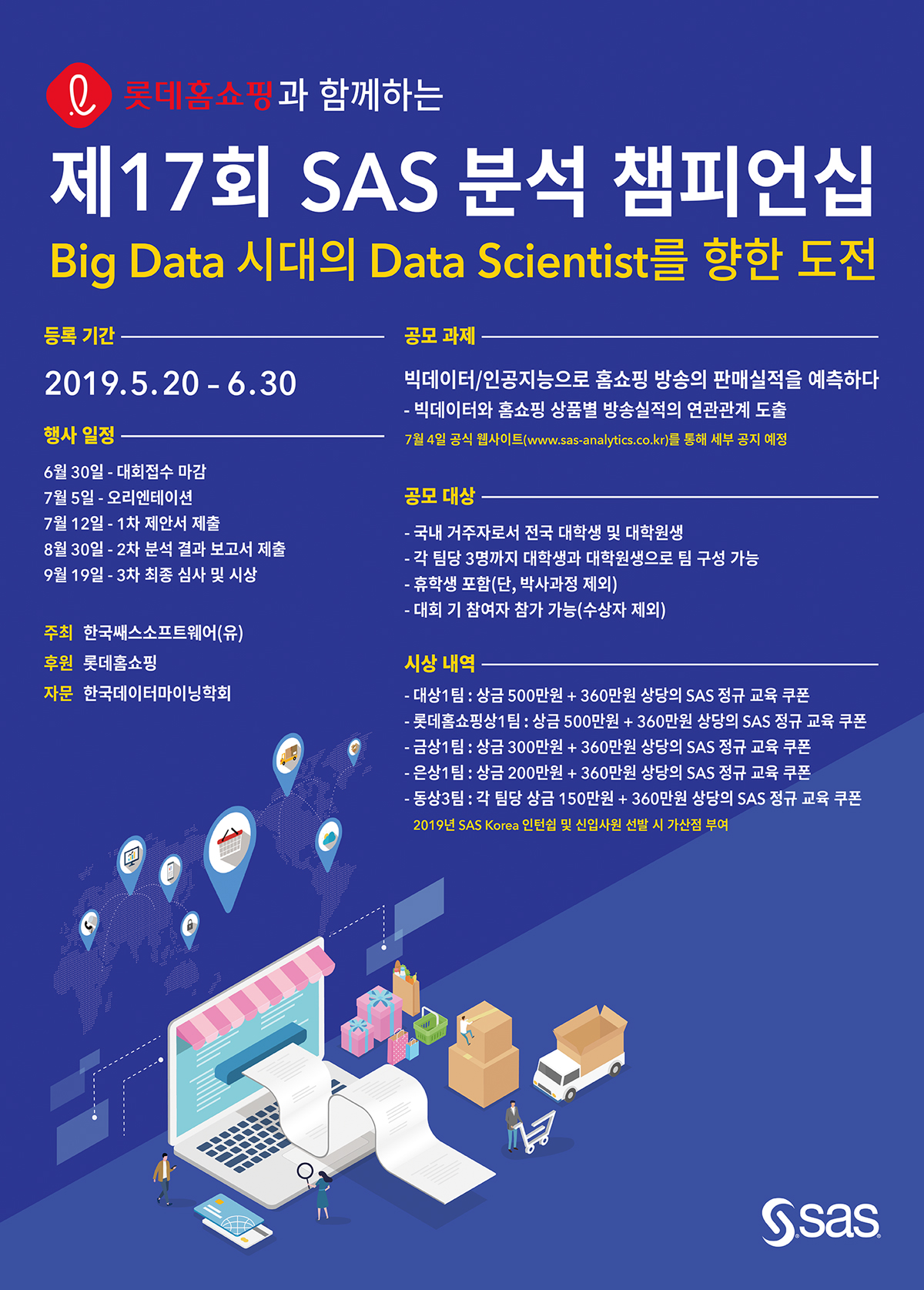

SAS코리아, 롯데홈쇼핑과 함께하는 ‘제 17회 SAS 분석 챔피언십’ 개최 빅데이터·AI 알고리즘 활용한 ‘홈쇼핑 방송 판매실적 예측’ 주제로 공모 SAS 솔루션 및 분석 교육을 통한 실제 비즈니스 과제 해결…분석 전문성 제고 6월 30일까지 참가 접수…우승팀에 상금·교육·인턴십 가산점 등 다양한 혜택 제공 2019년 6월 5일, 서울 – 세계적인 분석 선두 기업 SAS(쌔스)코리아(www.sas.com/korea)가