All Posts


La aplicación de la tecnología al entorno educativo ha ampliado de forma considerable las posibilidades en cuanto a canales y métodos de aprendizaje. Precisamente, en los últimos meses, en los que la educación online ha alcanzado niveles inimaginables hasta el momento, ha surgido un aumento del interés en disciplinas como


If a cinderblock falls from the 4th floor of a building and crushes a construction worker’s foot, it’s terrible. If it lands on his head, it’s truly tragic. But the difference is sheer luck. Every employee deserves to return home safely from work. Unfortunately, accidents happen, which is why employers must carry mandatory workers’ compensation

Sanal etkinliğimiz Beyond Tomorrow öncesinde Eureko Sigorta’nın Data Studio Lideri Özlem Odar ile görüşme imkanı buldum. Hepimizin bildiği gibi Türkiye'nin öncü sigorta firmaları arasında yer alan Eureko Sigorta, hasar yönetimi ve risk değerlendirme konusundaki uzmanlığı ile alanında lider konumda olan uluslararası bir yapıya sahip. Avrupa'nın 6 ülkesinde 22.000 çalışanıyla dünyanın


Gemeenten krijgen nogal wat kritiek te verduren. Er is geen twijfel dat sommige beter kunnen, maar vele zijn sterk gericht op het leveren van hoogwaardige diensten voor hun burgers. Echter, deze 'goed nieuws' verhalen komen zelden in de pers - zelfs niet in de lokale kranten in rustige weken. Zoals


As the COVID-19 virus jetted to pandemic status, folks around the company, including Carlos, were tapped to come up with data-driven solutions – fast. “Until we have a vaccine, one of the most effective ways to curb the spread of COVID-19 is by implementing Nonpharmaceutical Interventions, called ‘NPIs’,” Carlos explained.
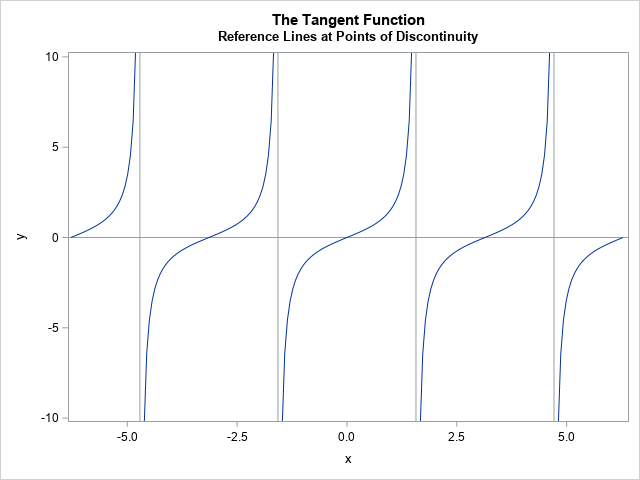

I have previously written about how to plot a discontinuous function in SAS. That article shows how to use the GROUP= option on the SERIES statement to graph a discontinuous function. An alternative approach is to place a missing value for the Y variable at the locations at which the


SAS' Lynneth Lohse provides a window into how our quality culture benefits our software.


Banco Proamérica de Guatemala se enfrentó a un escenario imprevisto y complicado cuando estalló la pandemia. Seguir atendiendo a sus clientes de Centroamérica y el Caribe le exigió reaccionar rápidamente. El objetivo: mantener su operación a toda costa y brindar el mismo nivel de servicio que daba a sus usuarios


Letzte Woche hatte ich das große Vergnügen, zum ersten Mal an einem Ideathon teilzunehmen (Winterhack). Wer das nicht kennt – diese Art der Veranstaltung ist vergleichbar mit einem Hackathon, nur dass hier weniger das Coden und technische Entwickeln von Prototypen im Vordergrund steht. Vielmehr geht es in der Hauptsache um


SAS, uqudo and iLabs Technologies started a collaboration in OpenGate for touchless and safe travel. OpenGate, based on open source technology and open standards, offers a seamless, automated travel solution based on a reliable platform and technical solution. It enables sharing personal, health and location information between border control, air


“Los encantos de esta ciencia sublime, las matemáticas, solo se revelan a aquellos que tienen el valor de profundizar en ella” Carl Friedrich Gauss ¡Estimados lectores, ha vuelto el Sommelier del Riesgo! En este breve artículo, hablaremos de las metodologías de inferencia de denegados que se utilizan en la construcción

지난 글에서는 분석 모델을 배포하기까지 많은 시간이 소요되는 이유, 이를 극복하기 위한 방법으로서 운영계에 적용하는 ModelOps의 개념과 효과를 소개해드렸습니다. 하지만 통상적으로 기업의 의사결정이 분석의 결과만으로 이뤄지지는 않습니다. 분석 인사이트를 기반으로 하되 기업에서 설정한 비즈니스 룰을 확인해야 하며, 기업 안팎의 상황에 대한 검토도 필요합니다. 금융권을 예로 들면, 고객의 신용대출 요청에 따른


We are all aging, every day, and there is nothing we can do about that (at least not yet). BUT there are many things we can do that determine HOW we age and how long we live. Only a small amount of our longevity is determined by genetics (estimated to
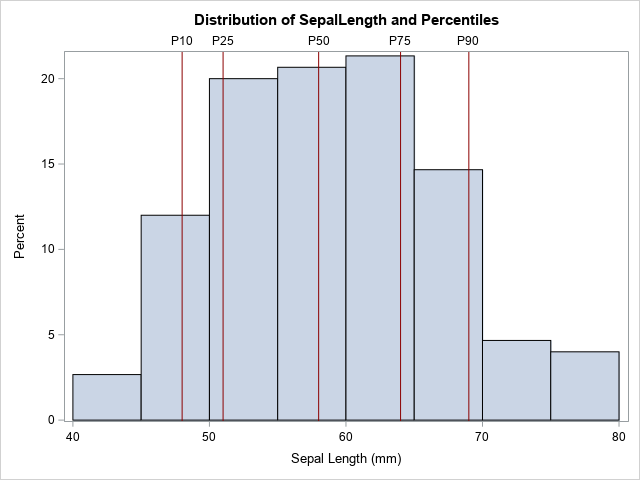
The REFLINE statement in PROC SGPLOT is one of my favorite ways to augment statistical graphics such as scatter plots, series plots, and histograms. The REFLINE statement overlays a vertical or horizontal reference line on a graph. You can specify the location of the reference lines on the REFLINE statement.


New and more prescriptive privacy and other data-related regulations are elevating data governance to a strategic asset for organizations in all sectors. Data governance can no longer remain confined to a back-end IT operation. As the data-rich financial services sector is now moving fast towards more profound digitization of financial