All Posts


There are many factors that influence an employee's experience at a company, and one of the most important is the positive impact of a strong leader. The Great Resignation has highlighted the importance of strong leadership at every level, and that’s why we’re excited to hear from Robert L. Anderson
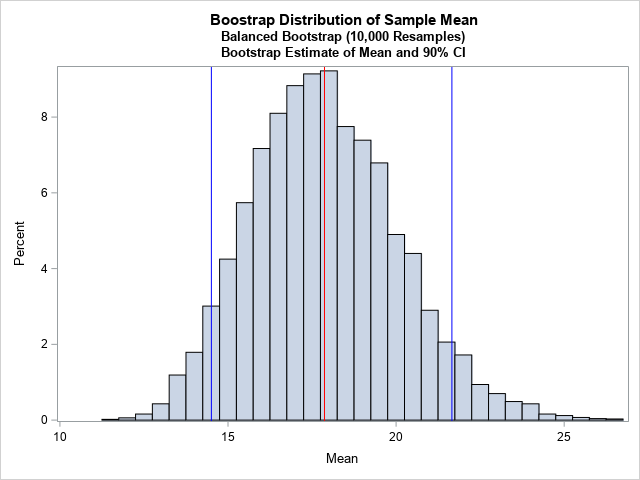

I have previously blogged about ways to perform balanced bootstrap resampling in SAS. I recently learned about an easier way: Since SAS/STAT 14.2 (SAS 9.4M4), the SURVEYSELECT procedure has supported balanced bootstrap sampling. This article reviews balanced bootstrap sampling and shows how to use the METHOD=BALBOOT option in PROC SURVEYSELECT
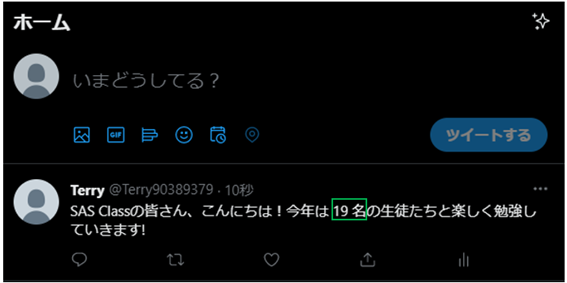

SAS ViyaではCData JDBC Driverを使って下記のソーシャルメディア・ファイルストレージサービスにシームレスにかつ、素早く連結できます。 ・Facebook ・Google Analytics ・Google Drive ・Microsoft OneDrive ・Odata ・Twitter ・YouTube Analytics 本日はCData JDBCドライバーを使ってTwitterと連携し、「天気」に関するツイートを取得してみたいと思います。順番通り説明しますので、最後までお読みいただき、皆さんも是非ご活用ください。 1. Twitter API利用申請 Twitter Developer PlatformにてTwitter APIの利用申請を行います。申請にあたり、名前と住んでいる地域、利用目的などの情報を提供する必要がありますので、事前に用意しておいてください。また、利用申請の承認はTwitter側で数日かかる場合がありますのでご了承ください。 Twitter APIの利用申請が終わったら、申請完了のメールが届きます。 また、申請の検討が終わり、Twitter APIが利用できる状態になりましたら、「Account Application Approved」というメールが届きます。 2. CData Twitter JDBC Driverインストール インストールにはSASの契約とは別途、CData社との契約が必要ですが、30日間トライアルで使うことも可能ですので、ご紹介します。 まず、CData Twitter JDBC Driverインストールページにアクセスします。 次に、Downloadクリックします。 Download Trialをクリックします。 適切なOSを選択してDownloadをクリックします。今回はWindowsを選択しました。 ダウンロードされたTwitterJDBCDriver.exeファイルを開き、画面に表示されるステップに従ってインストールを完了します。 3. Connection String生成

医者の診断に例えて学ぶ AIを用いたセンサデータ分析システムに関するよくある誤解について 製造業で盛んに導入されているセンサ。そのセンサデータを分析してビジネスインパクトのある結果を出すには、どのようにしたら良いのでしょうか? データ分析を成功させるためには、様々な要素が考えられますが、ここではセンサデータの質に注目したいと思います。いくら高度なデータ分析手法を用いても、分析対象のセンサデータが正しく取得できていない場合は、結果が出ないことは容易に想像できますが、あまり議論されることはありません。 これは、センサ計測とデータ分析の両方を視野に入れた幅広いノウハウが必要となり、Information Technology (IT) と Operational Technology (OT)との融合という課題に行き着くためです。 本ブログでは、このマニアックな話題を、医者の診断に例えながら、わかりやすく解説していきます。 今回から、「自覚症状が無いセンサデータの品質問題」に関連した話題をお伝えしていきます。 結果が出ないPoC(Proof of Concept:概念実証) SASは世界各国に支社を持ち、製造業DXの実現に向けた数多くのデータ分析案件を取り扱っています。 よく頂く御相談内容としては、生産品の品質管理と設備保全系に関連するデータ分析システムの導入検討です。(図1) 図1. 生産ライン向けDXとしてよくある御相談 ところが、PoCとしてセンサデータを用いてデータ分析をしているが、思うような結果が得られていないというケースが市場で発生しています。多くの方がデータ分析手法に問題があるのではないかと考え、データ分析のスペシャリストである弊社に御連絡を頂きます。たしかに分析手法の問題もあり、原因は様々ですが、意外と盲点になっているのが分析対象となるセンサデータ自体の品質問題です。 センサデータの品質問題とは何か? データ分析はデータ収集から始まります。そして、そのデータの質が分析結果に影響を与えることは容易に想像できます。図2はセンサデータ分析システムの構築の流れを示しています。システム構築は、データ収集からスタートし、データ蓄積、そしてデータ分析という順番で実施され、手動でデータ分析の結果が出るようになった段階で自動化するという流れが一般的です。 図2. センサデータ分析システムの構築の流れ 図3は、センサデータの分析の際にAIの導入を意識して描いたものです。流れとしては、経営上の目標設定から始まり、データ取得、特徴量抽出/次元削減、そしてモデル作成へと進んでいきます。ここで皆様に質問させて頂きたいのは、どの工程が一番重要なのかということです。無論、どの工程も専門家の知見が必要であり、重要かつ難易度が高いのは当然ですが、最も重要なのは前半のデータ取得と特徴量抽出だと、あえて強調します。言い換えますと、モデル作成に使用されるセンサデータの品質(精度)が重要だということです。当然ではありますが、センサデータの質が悪い場合、データ分析(作成するモデルの精度)に影響が出てしまうためです。 医者の診断に例えれば、検査データが間違っていたら間違った診断を下してしまうのと一緒であり、センサデータの品質は極めて重要だと言えます。 図3. AIを用いたセンサデータ分析システムの開発の流れ 自覚症状が無いセンサデータの品質問題 この問題の恐ろしい点は、システム開発に携わっている関係者の皆様にとって自覚症状が表れない場合が多いことです。 そもそも、データ分析の結果が出ない原因が、上述のセンサデータの質に関係していることを、どうやって判断すれば良いのでしょうか? 当然、他の原因も考えられます。 先日、お医者様と健康診断の検査結果のお話をした際に気がついたのですが、お医者様は検査データの意味や限界、誤差要因をよく御存知のようでした。そして総合的に私の健康状態を判断しておられるようでした。思わず、その秘密を知りたいと思い質問してしまったのですが、お医者様の回答は「過去の事例と経験即かなぁ~~??」と、お答えいただきました。 ということで、次回以降、私の経験即に基づいたチェックポイントを御紹介していきます。 前回のブログ 次回に続く
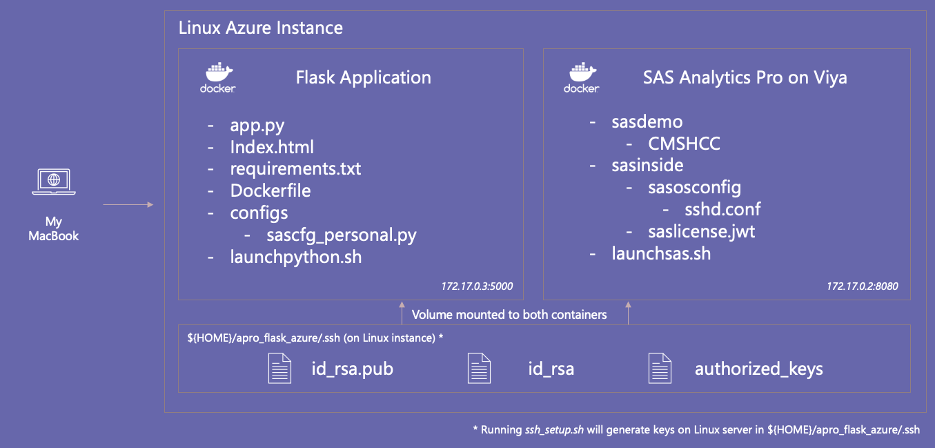

In this third article, we will introduce an alternative approach that surfaces the CMS-HCC Risk Adjustment Model execution through SASPy integration to a Flask application. We will demonstrate how this integration allows a user to score an individual patient/member on-demand, using inputs to an interactive web form to execute the model score code, surfacing the resulting score to the user.


Sommelier de Riesgo - Entrega 10: “ADMINISTRACIÓN DE ACTIVOS Y PASIVOS (ALM), Jack Welch Como todos sabemos muy bien, el negocio básico de un banco comercial es ofrecer servicios de intermediación financiera, captando recursos líquidos que, a su vez, coloca en forma de créditos e inversiones varias. A cambio de

Die Stadt Heidelberg ist bekannt für das romantische Stadtbild, das Touristen aus aller Welt anzieht. Außerdem verfügt sie über die jüngste Bevölkerung in ganz Deutschland, was sie vor allem den vielen Studierenden an einer der ältesten und größten Universitäten Europas verdankt. Weniger bekannt ist vielleicht, dass Heidelberg eine Städtepartnerschaft mit

More newsworthy than ever, since the pandemic, the so-called ESG (Environmental, Social, and Governance) is one of the hottest topics in any organization, any industry. No surprise, ESG investing continues to soar in 2022. Did I tell you I work for a company that has a solar farm, bees and


INTRODUCTION Have you ever thought of breathing as a type of movement or physical activity? Consider this. It’s the first movement we did when we were born. And we all do it – an average of 14-16 times per minute. It’s essential for every other aspect of living. And it’s accessible to


As more businesses embrace their digital transformation journeys, it’s easy to get lost in the cloud hype and overinflate the possibilities of cloud alone. Cloud migration is not a one-stop shop to solve all of an organization’s challenges. Instead, technology leaders need to adopt a cloud-smart mindset to maximize value,


One thing that impresses me about the analytical solutions we have is the degree of granularity we can get down to in the forecasting & planning process.


The business case for diversity and inclusion is clear. Research has shown that diverse organizations are more profitable, more innovative and more desirable to employees. So how do we as marketers contribute to making our organizations inclusive? I believe that we must start by cultivating curiosity. Curiosity fuels diversity and inclusion Curiosity


Here at SAS, we understand the importance of having access to cutting-edge professional resources. That’s why, for more than 40 years, we’ve provided individuals in programming, data management and analytics fields with low-cost and no-cost materials that promote success in their educational and professional journeys. And today, as the demand
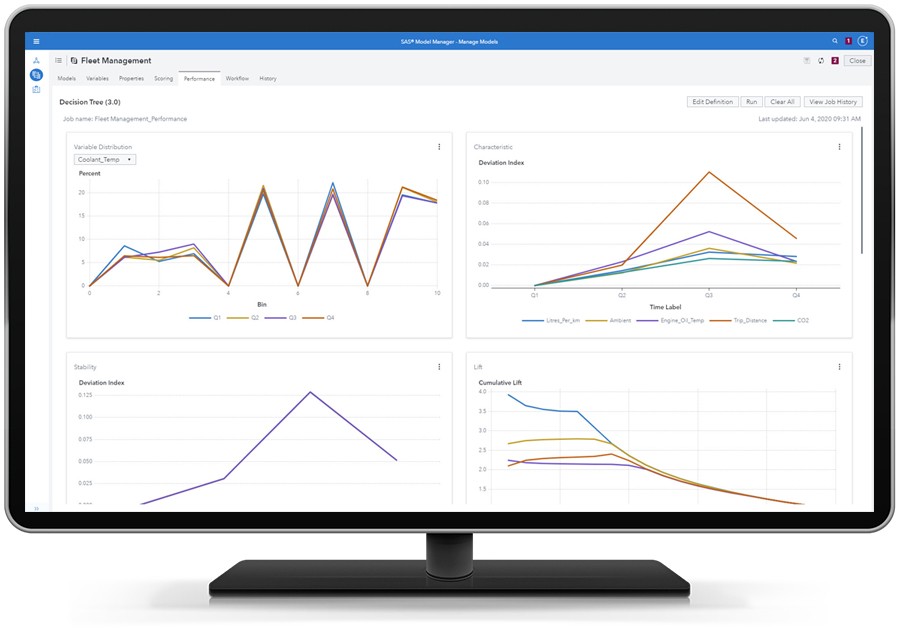

Just getting started with this series? Make sure to explore the earlier posts Part 1, Part 2 and Part 3. Up until now, you have seen how ModelOps can solve your biggest machine learning challenges and that SAS and Microsoft, together, can help you deploy, govern and monitor your models
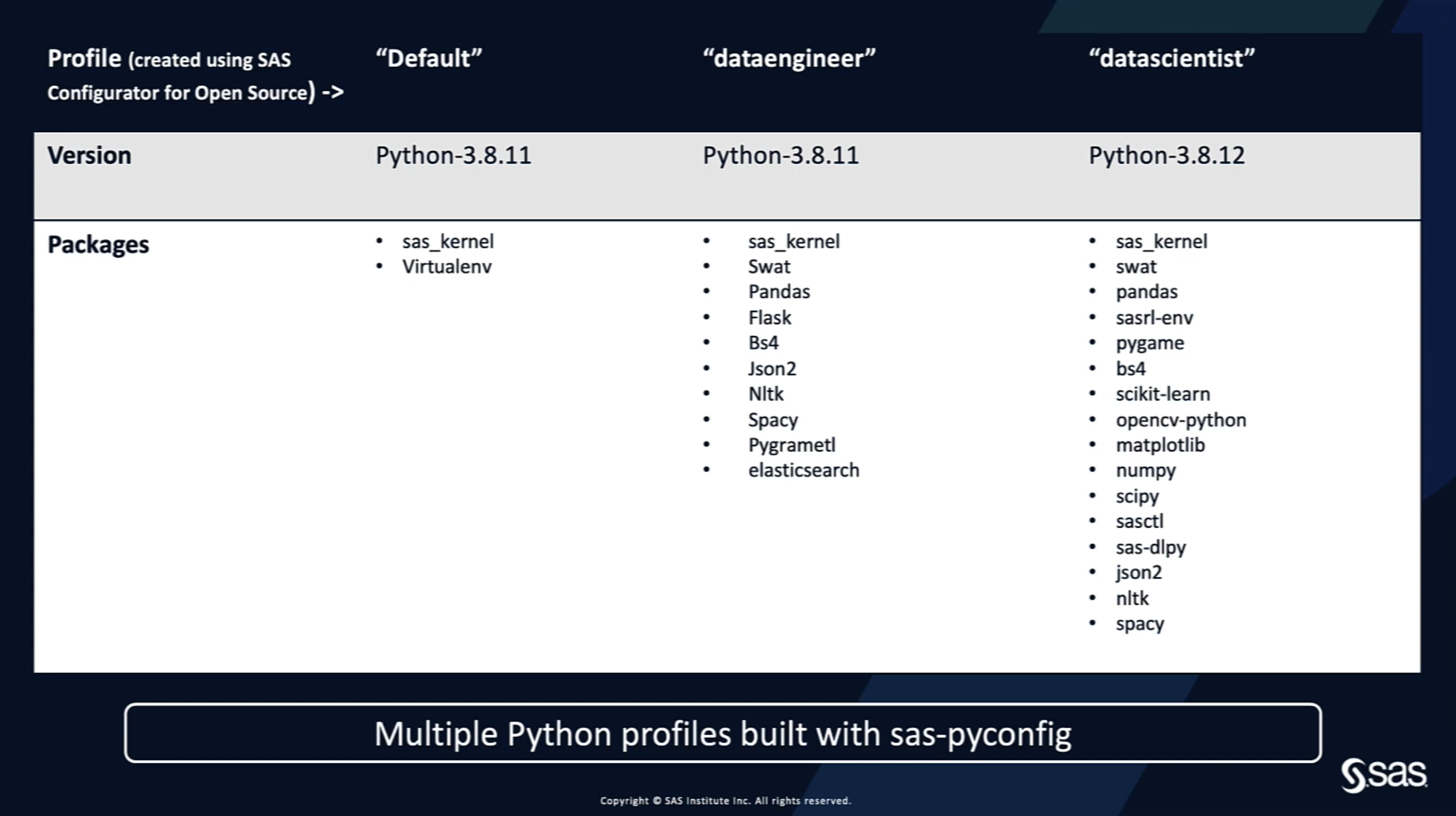

The Proc Python procedure, Python code editor & Python code step facilitate low-code analytics calling Python and SAS from a common interface. Data scientists also appreciate the connection to Python & R through the Model Studio Open-source Code node. Older methods of interaction include the swat and sas_kernel packages running on Python clients.