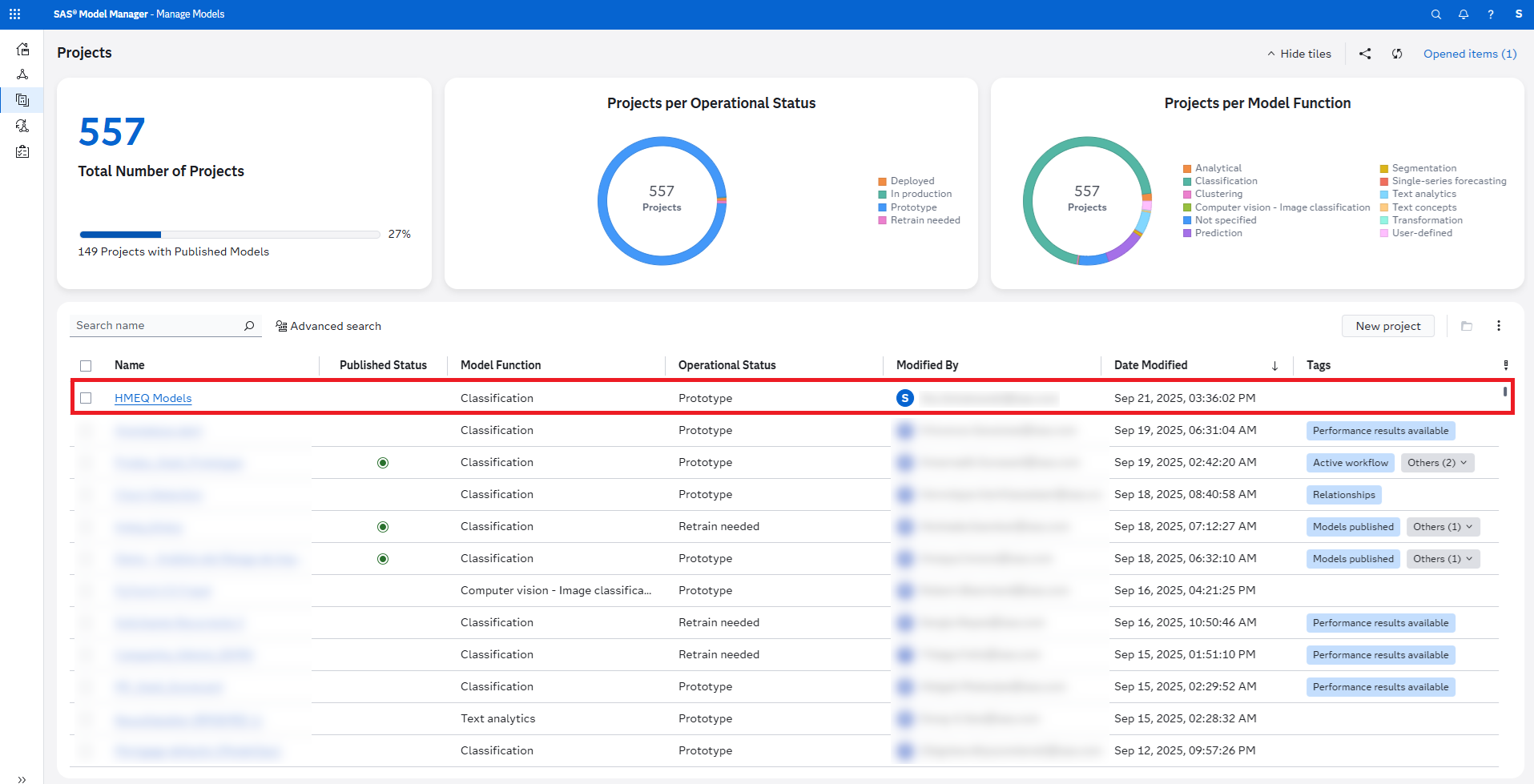
SAS Viya Workbench integrates seamlessly with SAS Model Manager for SAS model deployment and monitoring.
IDC 마켓스케이프 보고서에서 MLOps 플랫폼 부문 리더 제품으로 선정된 ‘SAS Model Manager’, DataRobot, Databricks, Dataiku, Domino Data Lab등에 성능 우위 입증 다양한 비즈니스 영역에서 머신러닝의 적용이 점차 활기를 띄며 증가하고 있는 가운데, 많은 IT 리더들은 인공지능과 머신러닝 기술을 선택하고 구현하기 위한 필수 기술로 ‘모델 옵스(이하 ModelOps)’를 지목하고 있습니다. AI타임즈에 따르면,
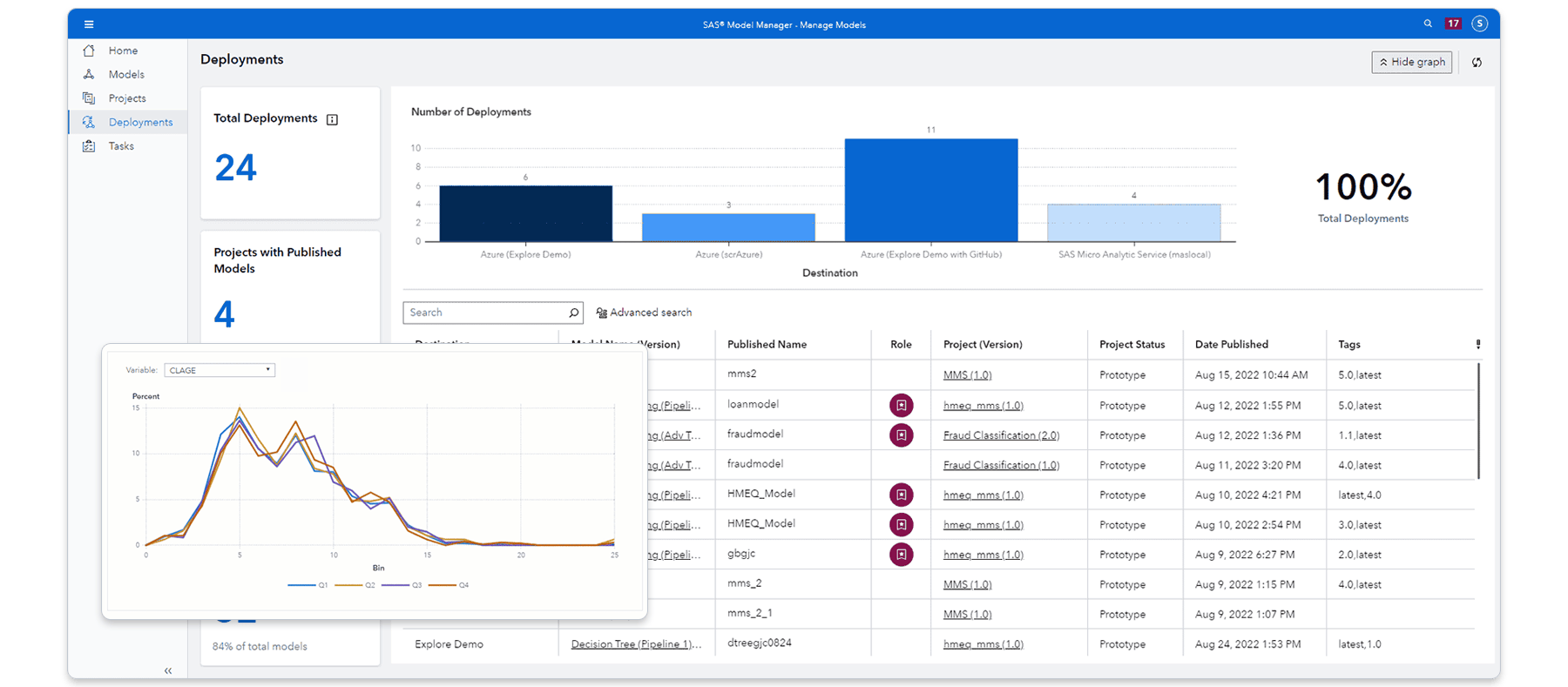
보통 분석모델 관리 프로세스는 모델개발, 모델등록, 배포, 모니터링 및 재학습으로 구성됩니다. 이번 글에서는 SAS Model Manager (MM)가 제공하는 API를 통해 분석모델 관리 프로세스가 어떻게 진행되는지 살펴보겠습니다. SAS MM은 모델 컬렉션의 생성 및 관리를 간소화하는 제품입니다. 이 웹 기반 인터페이스를 사용하면 모델 관리 프로세스를 손쉽게 자동화하고, 사용자가 모델링 프로세스의 각 단계별로 진행
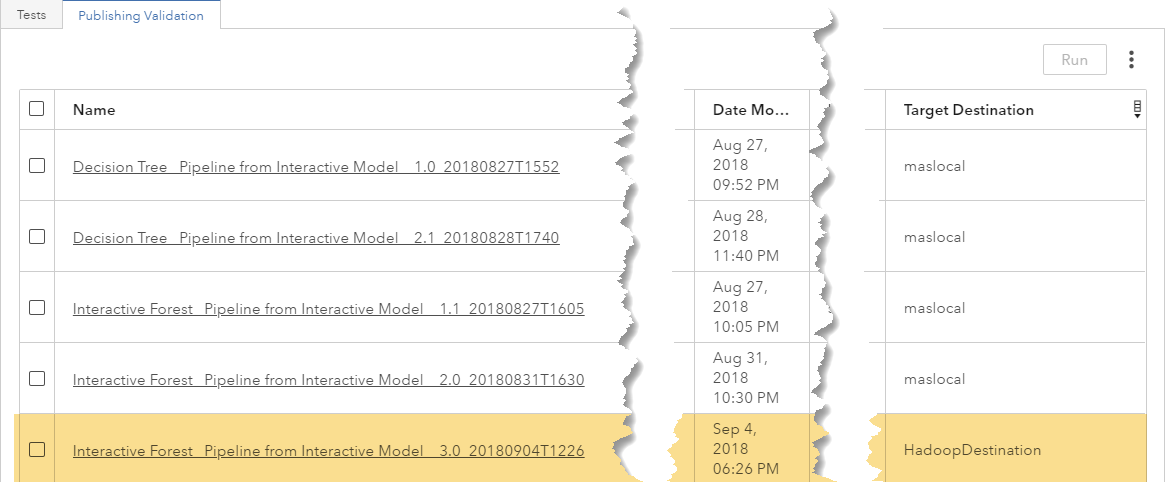
How do you deploy your model so that business processes can make use of it? This post explores how SAS Viya applications can directly add models to a model repository, and specifically focuses on how to deploy them with SAS Model Manager to Hadoop.
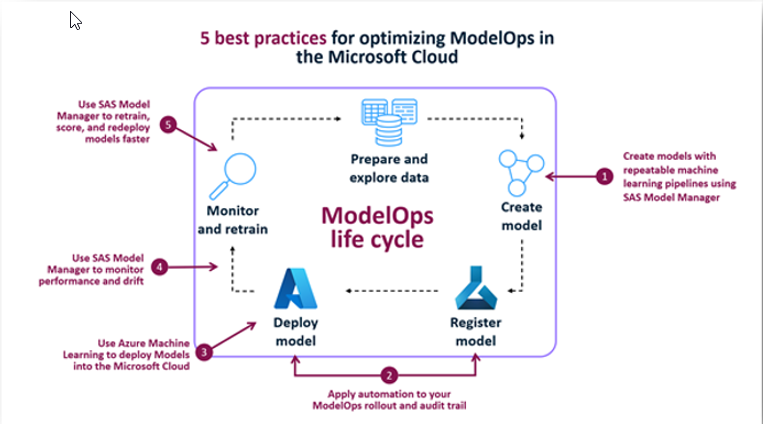
Just getting started with this series? Make sure to explore Part 1 and Part 2. There are different ways you can use these two tools to accelerate model building, deployment and monitoring. Figure 1 summarizes best practices for conducting ModelOps using SAS Model Manager and Azure Machine Learning. Best practice
Technology advances fast, but meaningful innovation still comes down to one truth: systems work best when they’re built around people. In risk, fraud, and compliance (RFC), this means designing tools that understand intent, reduce friction for investigators, protect sensitive data, and adapt as fraud evolves. The Grace Hopper Celebration (GHC)
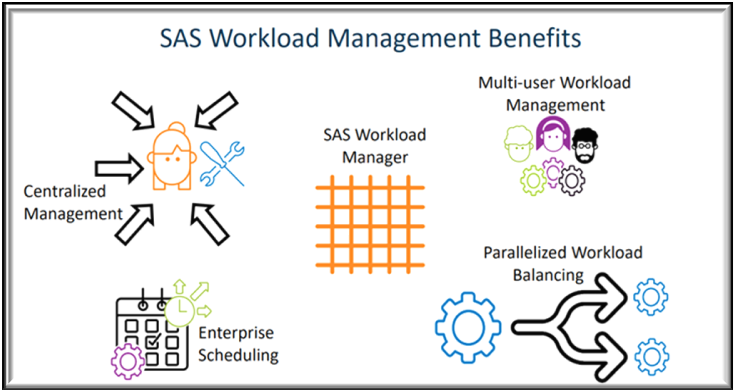
Managing workloads in modern analytics environments is not keeping systems running, it’s about making sure the right jobs get the right resources at the right time. As organizations move analytics to the cloud, powered by Kubernetes, balancing workloads across computer resources becomes a critical challenge.
SAS' new approach to MRM streamlines your compliance and review process by delivering real-time model reporting and statistical outputs.
Con la irrupción de la IA, el volumen y la complejidad de modelos en producción se han disparado. En 2024, el 65% de las organizaciones declara usar gen-AI de forma regular y la adopción de IA en general subió hasta el 72%, extendiéndose a más funciones del negocio. Esto multiplica
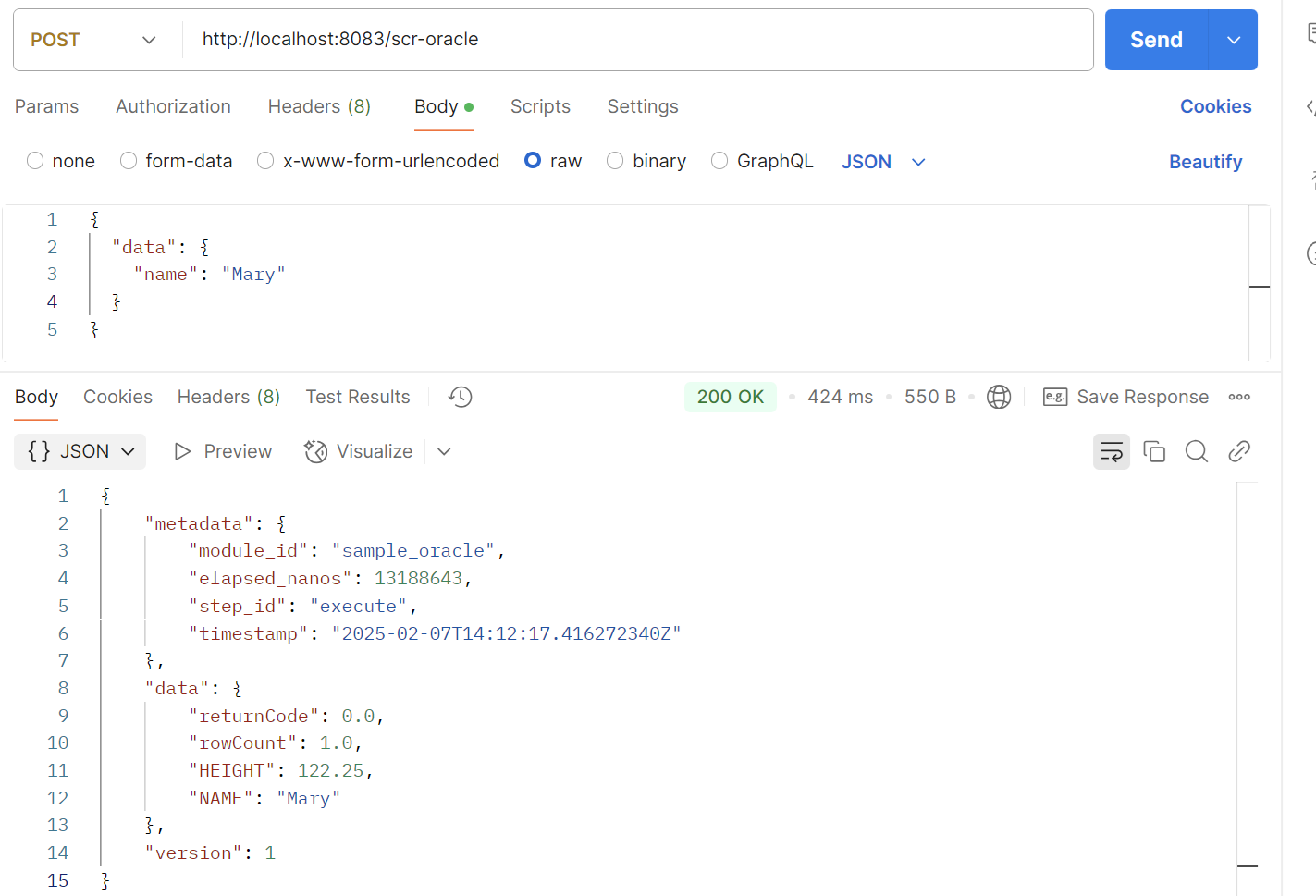
Learn how to seamlessly register and deploy Python models (specifically an XGBoost classifier) into SAS Model Manager using SAS Viya Workbench and the pzmm package, enabling efficient ModelOps integration and production readiness.
In high-risk industries like construction and manufacturing, worker safety isn’t just a priority; it’s a constant challenge. Fast-moving environments, heavy machinery, and human unpredictability make it incredibly tough to monitor compliance and catch dangerous behavior before it leads to injury. As data scientists, we wanted to tackle that challenge head-on.
Generative AI is everywhere in the headlines, but for most organizations, the real challenge is making it work with their own knowledge base. That’s the focus for SAS and its long-time partner Pinnacle, who are applying retrieval-augmented generation (RAG) to put company data directly in the hands of employees, made
The speed at which your organization can deploy new AI models determines your ability to stay ahead of the competition. It’s a measure of your ability to experiment and innovate, try new things and learn quickly. It’s also one of the reasons organizations are investing in SAS® Viya® – which
SAS is transforming the motor insurance claims process by integrating of tools - blending data management, ML, and UX into 1 complete system.
Model governance has moved from "nice to have" to a "non-negotiable". As organizations deploy AI across industries like health care, banking and government, the demand for transparency, trust and accountability is louder than ever. SAS experts Briana Ullman, Product Marketing Manager and Vrushali Sawant, Data Scientist, discussed what that looks
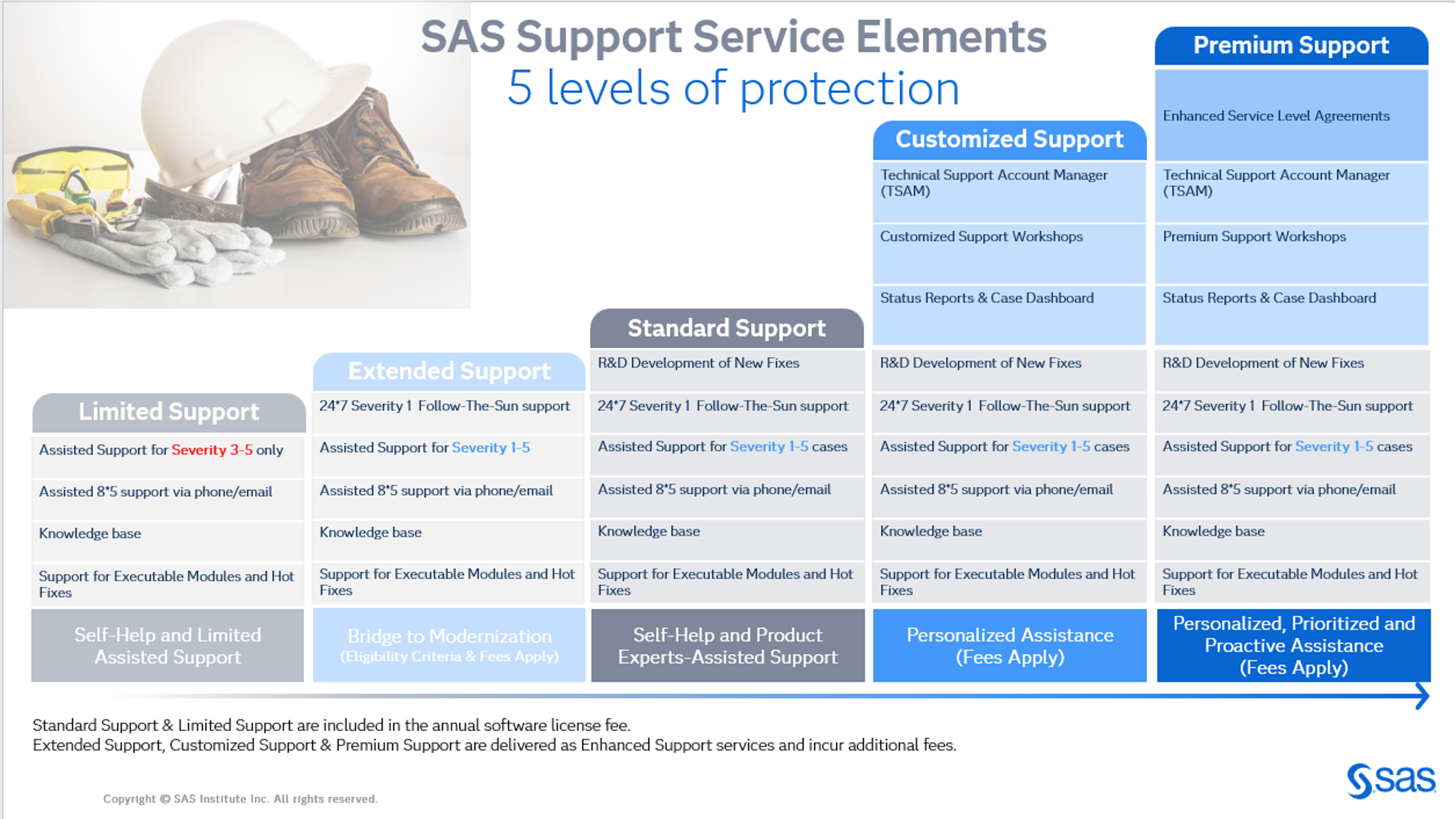
SAS' Enhanced Support model is structured into five progressive levels, ranging from Limited Support—designed for outdated software versions—to Premium Support, which offers the highest service standards, including enhanced SLAs, 24/7 assistance, and direct access to product experts. In particular, the combination of Extended Technical Support and Premium Support has proven to be a winning strategy for many companies undergoing modernization. This approach allows continued support for legacy environments during the migration to newer versions, minimizing operational risks and ensuring service continuity.
If you have a background in pharmacy, life sciences, biotechnology, or statistics – and you’re curious about the world of clinical research – there’s one career path you might want to explore: clinical SAS programming. Maybe you’ve heard the term before and wondered what it really involves. The good news?
If you think of SAS as a data, AI and analytics powerhouse, Epic Games as the studio behind Fortnite and Georgia-Pacific as the company that makes paper towels and more, you’re not wrong. But you’re also missing the bigger story. One that – quietly and collaboratively – is reshaping how
Call it what you want – an arms race, a land grab, a gold rush – but AI is now the centerpiece of most business strategies. Executives aren’t just curious about AI anymore; they are positioning their organizations for the technology's future. The problem? Most organizations aren’t ready. Even as
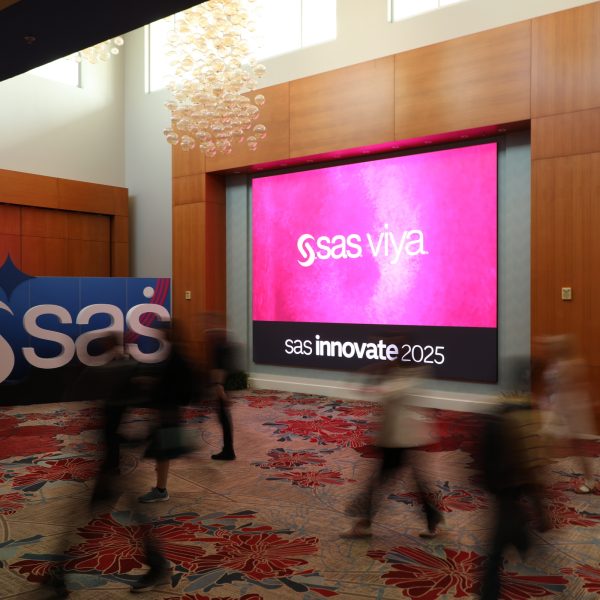
Ask most people what gives AI its edge and they'll likely point to speed, automation or the aura of generative AI tools. But according to experts at SAS Innovate 2025, AI's real competitive advantage isn’t the algorithm – it’s the ability to use it responsibly to make trusted, faster, better decisions. As
The financial services industry is undergoing a period of profound change, driven by a dynamic economic landscape, increased regulatory scrutiny, changing consumer behavior and rapid technological advances. Banks operating in this environment are under increasing pressure to transform their risk modeling and decision-making ecosystems in order to remain competitive. This
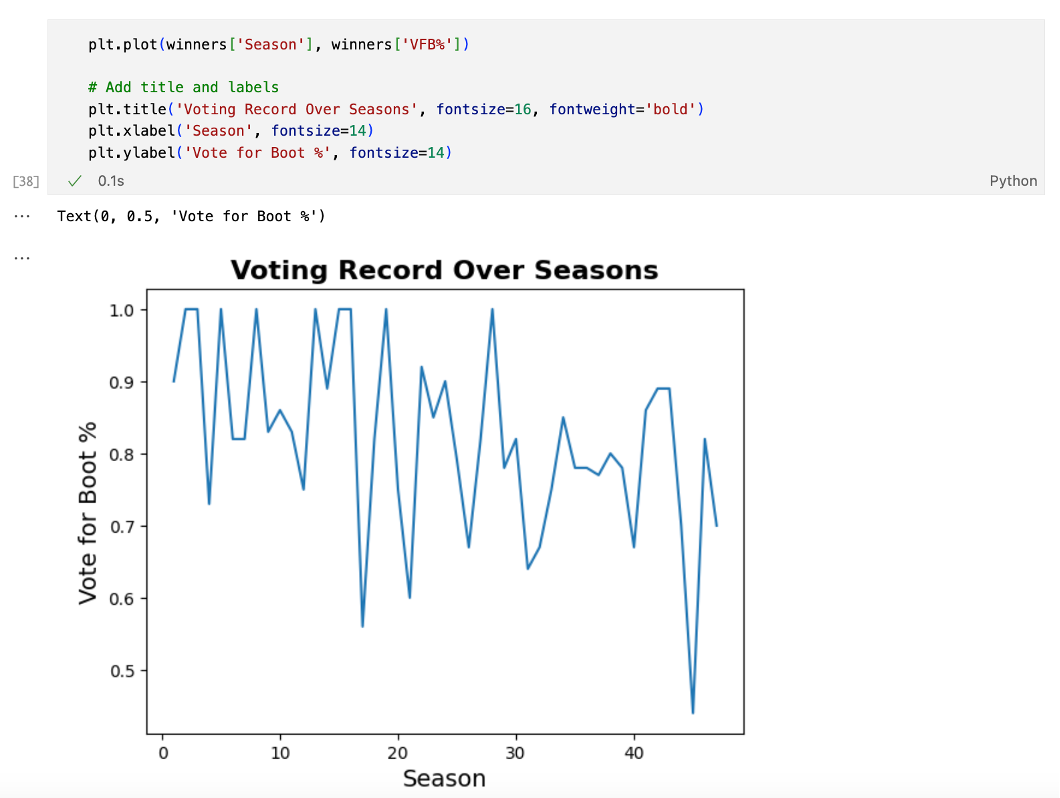
Using 47 seasons of Survivor data, this analysis explores what gameplay traits correlate with winning, applying Python and SAS Viya Workbench to build predictive models. While stats like challenge wins and voting accuracy help narrow down potential winners, the findings suggest that intangible social dynamics play the most decisive role.
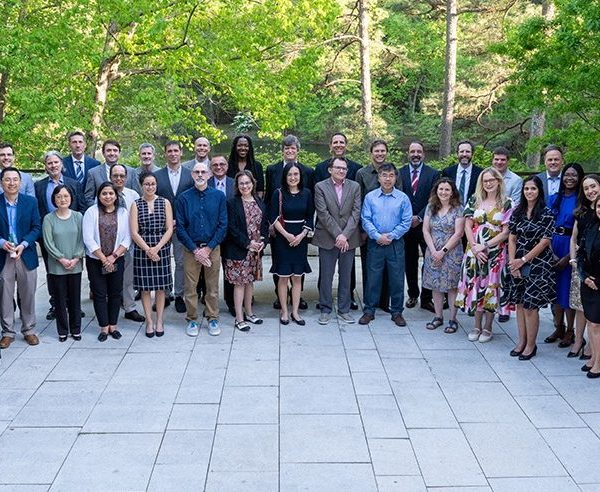
2024 patents represent innovative, never-before-seen technology and solutions SAS inventors were honored at the 20th annual Patent Dinner at The Umstead Hotel. In 2024, 44 patents were issued to SAS employees, representing technological advances in grid computing, software development testing, AI, wearable health devices, digital advertising, fraud protection and more.
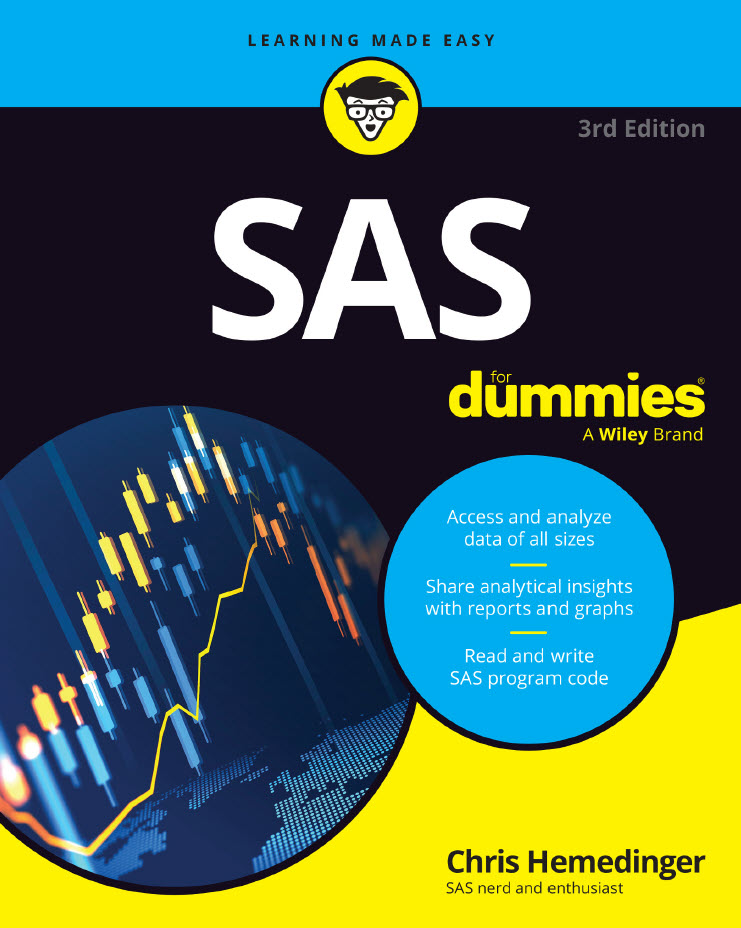
Introducing the new third edition of SAS For Dummies, covering SAS 9.4, SAS Viya, SAS Visual Analytics, SAS Viya Workbench and more!
What if your cloud analytics environment was smart enough to spin up the exact amount of computing resources required for any specific job? What if you had an AI tool that could determine your computing needs for any given analytics project, scale up to run the job and then scale
Find out more about the importance and processes involved in model evaluation to become a more productive member of any analytical team
SAS' Simon Topp walks you through how to setup SAS Container Runtime Testbench to make operating and debugging your SAS Intelligent Decisioning decisions a breeze
Find out how SAS Tax Compliance for Sales Tax addresses the tax gap and helps agencies overcome their resource constraints through SAS technology, robust analytics, and process automation.
SAS's Ann Kuo walks you through how SAS Tech Support developed an email classifier to clean up spam and misaddressed emails using SAS Viya's NLP-based text classifier
Making a big purchase, such as a car or home, can be stressful for everyone involved, from doing the due diligence to identifying a good lender. Everyone wants to make the process smooth while mitigating risks. Banks and lenders also have more data to work with when making a lending