All Posts


One thing that we have a lot of at SAS: installations of SAS software that we can run. I have SAS for Windows on my laptop, and I have access to many centralized instances of SAS that run on Linux and Windows servers. (I also have access to mainframe SAS,
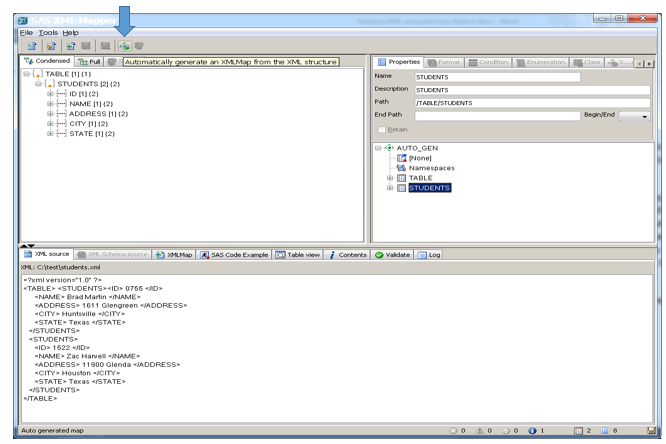

XML has become one of the major standards for moving data across the Internet. Some of XML’s strengths are the abilities to better describe data and to be more extensible than any of its predecessors such as CSV. Due to the increased popularity of XML for moving data, I provide


For banks across Asia and Europe, a new accounting standard is of increasing importance – IFRS 9. With the first IFRS 9 reporting deadline looming January 1, 2018, banks are trying to understand what they need to do to be ready. At its core, the IFRS 9 accounting standard introduces


Cities must work with companies, universities, other cities and organizations to truly realize the Smart Cities vision. This was a consistent message at last week’s Smart Cities Innovation Summit, where leaders from more than 200 cities met with technology and service providers and academics to talk about new innovations that
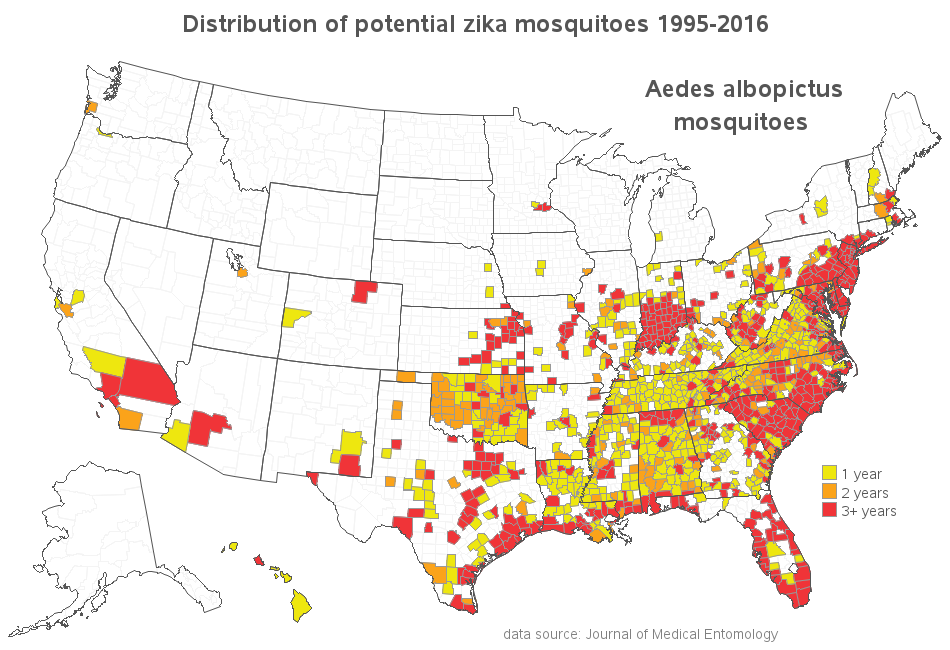

Let's create a souped-up SAS map that can track Zika-carrying mosquitoes down to the county level, in the US! A few months ago, I wrote a blog post with a world map of documented locations of the Aedes mosquitoes that could carry the Zika virus. The world map showed a high concentration


For those of us who haven’t been hermits stuck in a remote section of Middle Earth, The Lord of the Rings book and movie series brought to our awareness the mythical powers of The One Ring: An object with a sinister inscription that reads “One Ring to Rule Them All.”


Optimization for machine learning is essential to ensure that data mining models can learn from training data in order to generalize to future test data. Data mining models can have millions of parameters that depend on the training data and, in general, have no analytic definition. In such cases, effective models


El papel del CEO en las grandes empresas ha venido transformándose a la velocidad con que la tecnología dispone para él la información crítica de su negocio. Y ahora que puede tenerla casi al instante, su protagonismo y responsabilidad son mayores. Para gerentes de vanguardia. >> Vea también: Analítica y


What's more, CXOs who believe that they can substitute data scientists for real data integration are as foolish as the duffer who consistently uses the wrong club.


It’s hard to pick up a medical journal or news article these days without reading something about the gut microbiome. Thanks to the NIH Human Microbiome Project established in 2008, health professionals and the general public have learned much about the link between the condition of our gut microbiome and
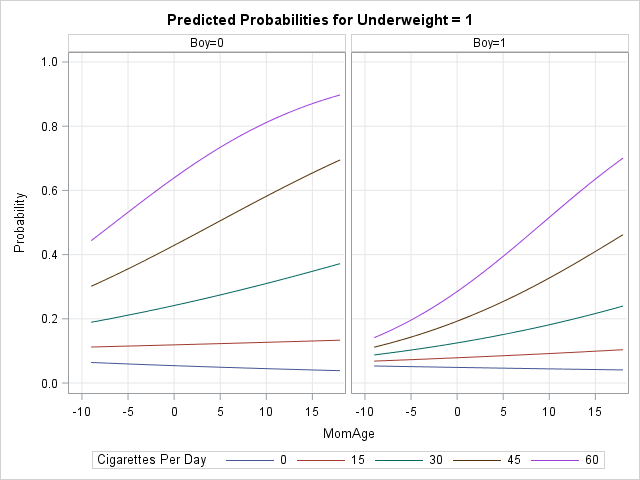

Graphs enable you to visualize how the predicted values for a regression model depend on the model effects. You can gain an intuitive understanding of a model by using the EFFECTPLOT statement in SAS to create graphs like the one shown at the top of this article. Many SAS regression


El creciente uso de Internet en México y América Latina, ha significado un reto para las empresas de todos los tamaños e industrias, pues se han abierto oportunidades de negocio que les permiten contar con una mayor cobertura y presencia, sin embargo, aunado a ello han llegado los retos de


Report designers often discover after aggregating data by groups in the Visual Analytics Designer that it would also be nice to see additional aggregations of the data, for example, a maximum or minimum of that sum across groups. This means creating an ‘aggregation of an aggregation.’ If you plan your report objectives in

In recent years, more and more people have been registering as independent voters in the US, rather than Democrat or Republican - the independents now control well over 1/3 of the votes. Will they likely vote for the Democrat or Republican candidates in the upcoming election? Let's break down some numbers


As we are all well aware, providing caregiving for our parent(s) is complicated and messy. Siblings can often be both a blessing and a curse in this process, providing much needed relief and support, or perhaps creating additional stress and barriers to important decisions and resources. Why is this the