All Posts
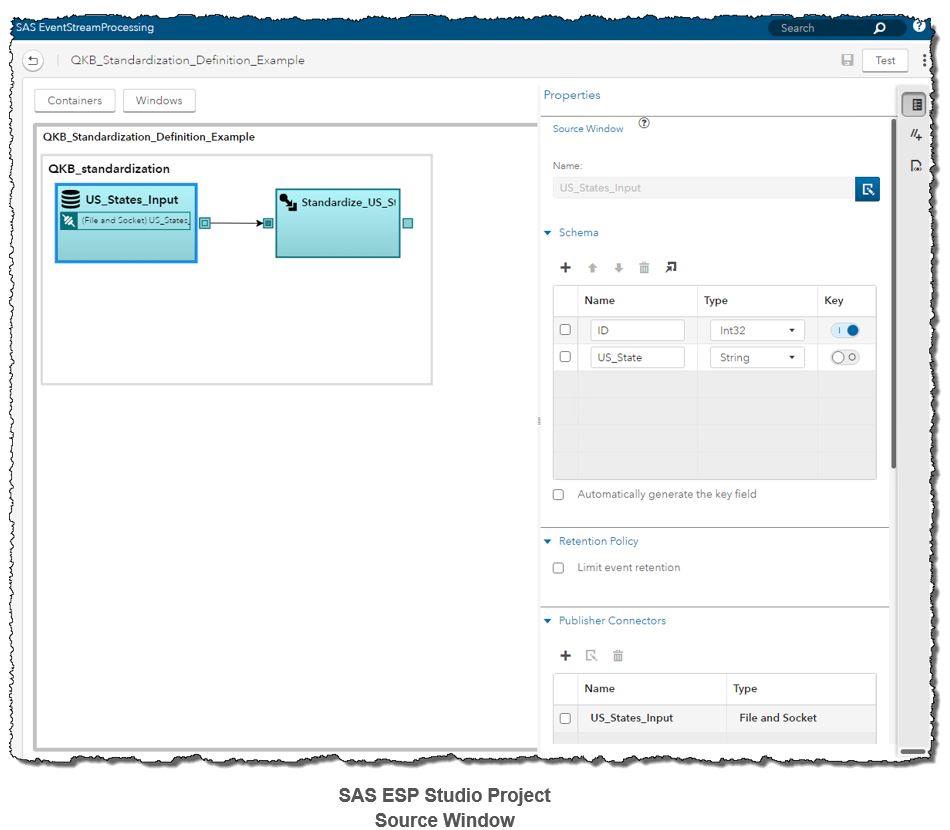

The SAS Quality Knowledge Base (QKB) is a collection of files which store data and logic that define data cleansing operations such as parsing, standardization, and generating match codes to facilitate fuzzy matching. Various SAS software products reference the QKB when performing data quality operations on your data. One of
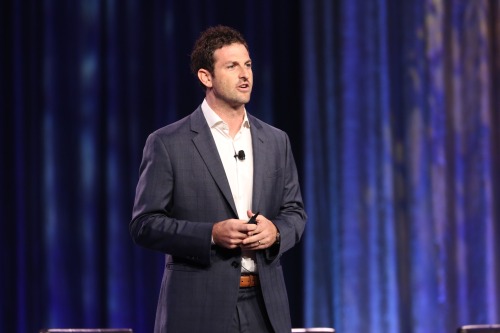

Historically, generations could expect to experience one – maybe at best – major technology disruption or transformation in their lifetime. That’s simply not the case today. Today it is more difficult than ever before to know what will transform the technology landscape in the next month or the next year.
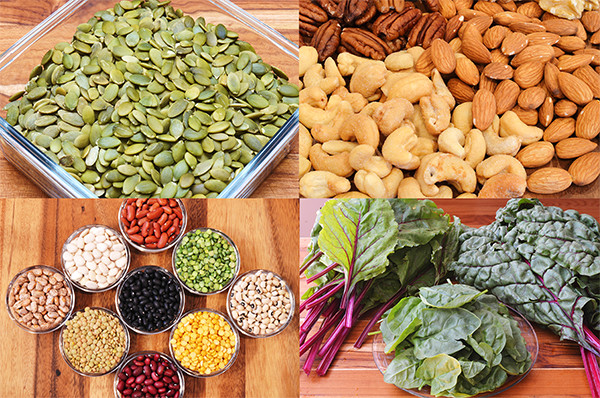

I’m a productivity junkie! Living in a culture where productivity is highly valued, cutting corners on sleep is often a life survival skill. We’ve been trained to function this way (at least in the US) for over 50 years. As a result, being tired and fatigued is the status quo

A pesar de que el Big Data, la Analítica y los científicos de datos ahora están en todas partes, estos temas les pueden parecer completamente desconocidos a muchos de los colombianos. La primera define el desbordado crecimiento que están teniendo los datos a nivel mundial (cada vez que envía un
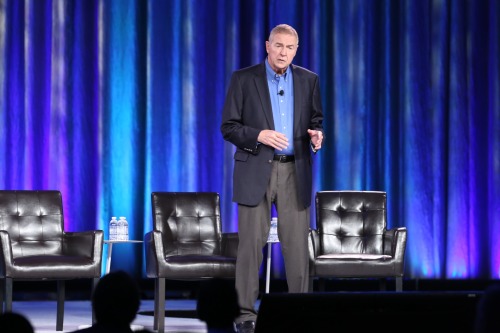
“What we are experiencing from analytics today is nothing short of a revolution,” said CEO Jim Goodnight, who spoke at Analytics Experience 2016 and set the stage for the conference’s executive panel. “Right now, my primary mission is to ensure people understand the limitless possibilities that lie before us, given


In Part 1 of this two-part series, I defined data preparation and data wrangling, then raised some questions about requirements gathering in a governed environment (i.e., ODS and/or data warehouse). Now – all of us very-managed people are looking at the horizon, and we see the data lake. How do


I jumped down the rabbit hole of essential oils (EOs) and aromatherapy ~18 years ago and never looked back. Smell is one of the strongest connections we have to memory. My first experience with essential oil occurred during a massage when the therapist used Lilac. I immediately thought of my


Oh, man! What's happening? I just can't figure out what's going on. I'm tired. Exhausted actually. I don't feel well. I just want my energy back! We've all been there. Sometimes more often that we'd like. Sounds like it's time for a reboot. How do we reboot the human body?
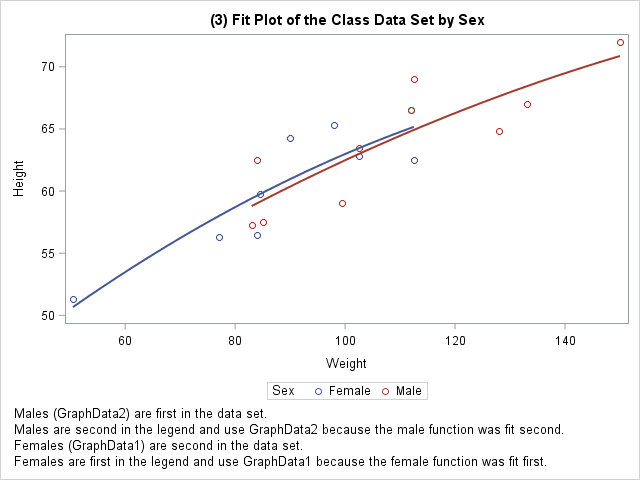

In this post, I will show you how to control the order of the entries in a legend and explicitly control the correspondence between groups and style elements in PROC SGPLOT. In many cases, the colors that are used to differentiate groups do not matter--the graph simply needs to display
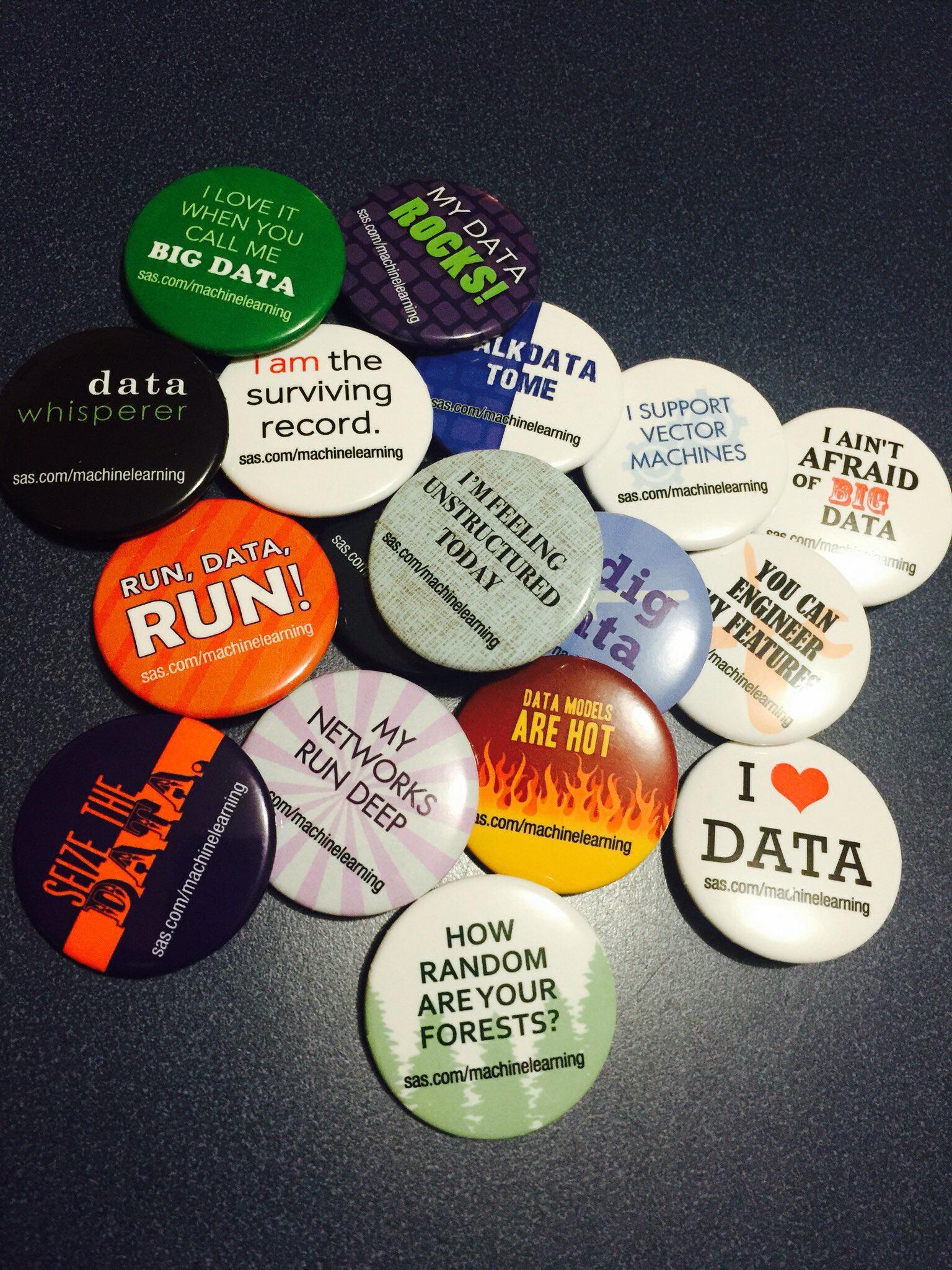

Who says machine learning can't be fun? A crew of us from SAS went to San Francisco for the recent KDD conference, which bills itself as "a premier interdisciplinary conference, [which]brings together researchers and practitioners from data science, data mining, knowledge discovery, large-scale data analytics, and big data." We brought
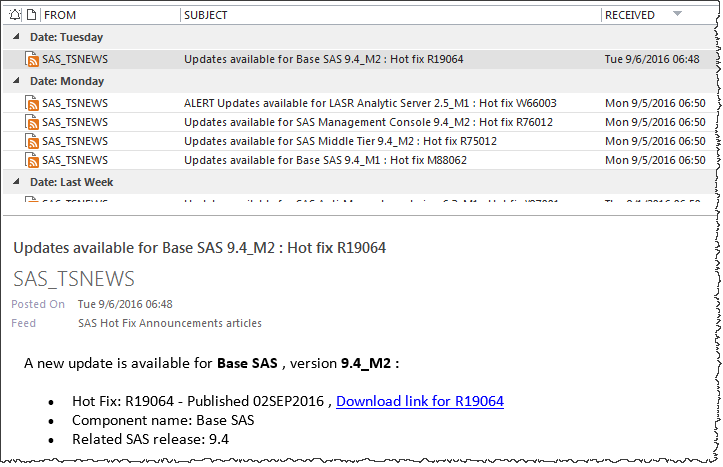

SAS releases regular updates to software products in the form of hot fixes and maintenance releases. Hot fixes are SAS' timely response to customer-reported problems, as well as a way to deliver occasional security-related updates that can affect any software product. At SAS we call them "hot fixes." Other companies


You've seen the QR codes that you can just scan in with your smartphone's camera, rather than writing down a web URL or other information, right? But do you know how to create your own QR code? Here's an easy way to create them, using SAS... You're probably familiar with


Data governance can encompass a wide spectrum of practices, many of which are focused on the development, documentation, approval and deployment of policies associated with data management and utilization. I distinguish the facet of “operational” data governance from the fully encompassed practice to specifically focus on the operational tasks for

The internet of medical things, spurred by the advent of wearable sensors, has dramatic consequences in industry, healthcare, and analytics, just as the advent of the internet of things and analytics has consequences in education. When I began my internship at SAS in May, I knew little about the internet of


If you’re doing data processing in the cloud or using container-enabled infrastructures to deploy your software, you’ll want to learn more about SAS Analytics for Containers. This new solution puts SAS into your existing container-enabled environment – think Docker or Kubernetes – giving data scientists and analysts the ability to