All Posts


Using the DATASETS procedure, we can easily modify SAS variable attributes such as name, format, informat and label: proc datasets library=libref; modify table_name; format var_name date9.; informat var_name mmddyy10.; label var_name = 'New label'; rename var_name = var_new_name; quit; We cannot, however, modify fixed variable attributes such as variable type
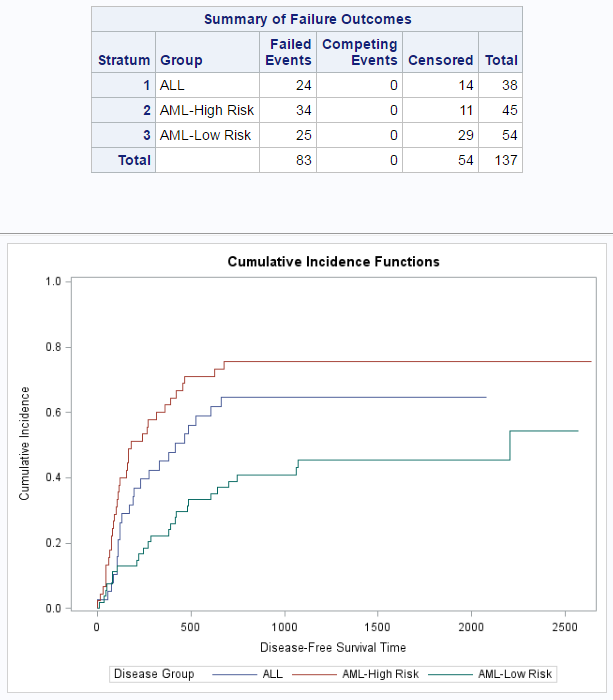

In my previous post, I showed you how to change the titles in graphs produced by analytical procedures; today I will show you how to remove subtitles that procedures display on some output pages. The following step creates output that contains a SAS title ('Illustrate the CIF Plot'), a PROCTITLE

Suppose you are using SAS Studio and the statistical task you need to perform is not a supported option or feature in SAS. I know that sounds almost impossible because the statistical tasks in SAS Studio are so awesome. But, just in case you need to tweak a program or
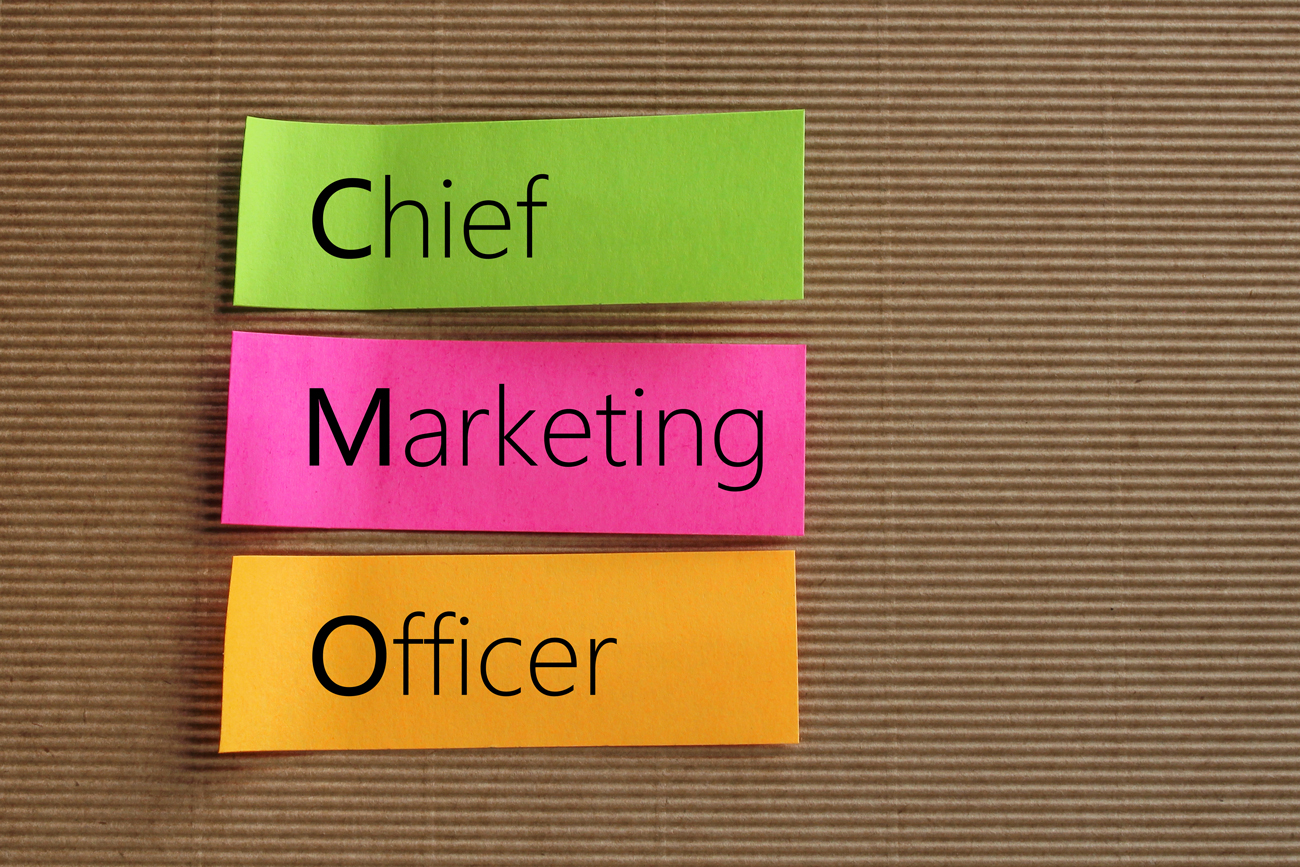

¿Recuerda cómo se tomaban las decisiones de mercadeo antes de que apareciera internet? Gerentes de mercadeo que hacían de usuarios incógnitos para conocer la experiencia de los clientes, colaboradores que contaban una a una las personas que pasaban por cierto lugar para saber el tráfico potencial que podría llegar a


Longevity research represents facts and figures related to one's accumulation of years on this planet. Hawaiians top the charts in the US with a life expectancy of 80 years while, believe it or not, DC represents the lowest at 72 years. NC, although known for delicacies like sweet tea and barbeque,


Teacher preparation programs have received some pretty harsh criticism in recent years. For example… “If there was any piece of legislation that I could pass it would be to blow up colleges of education.” –Reid Lyon, National Institute of Health “By almost any standard, many if not most of the

Maybe programming isn’t quite as dangerous as a lightsaber battle, but if you think using SAS to turn data into action feels a little bit like magic, you should know that nobody is better at harnessing “the Force” of DS2 than SAS Jedi Mark Jordan. Mark has a resume that

If you consider yourself as a visualization expert, you strive to create graphs that set you apart from the data analysts and statisticians. Graphs that merely plot the data in a clear/concise manner aren't enough for you. You want your graphs to also be intuitive, easy to read, and provide


Our world is now so awash in data that many organizations have an embarrassment of riches when it comes to available data to support operational, tactical and strategic activities of the enterprise. Such a data-rich environment is highly susceptible to poor-quality data. This is especially true when swimming in data lakes –
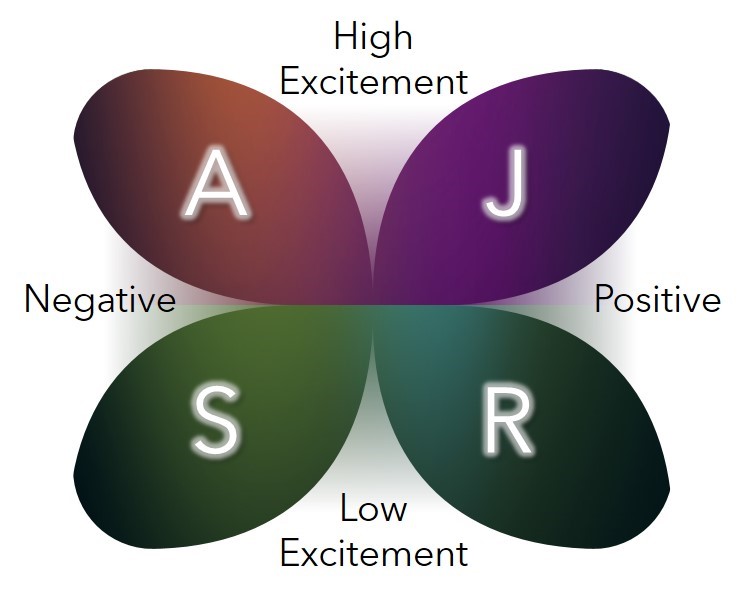

People say that the world has changed, but I think it'd be more accurate to say that people that have changed the world. Social media, big data, big analytics, internet of things … whether you're an executive, a data scientist, or a student, when you hear these buzzwords, you have


Anyone know what's the number two form of economic crime, in terms of losses? Believe it or not, it's procurement fraud. I grew up in a small town south of “Big D” and in my neck of the woods having two first names is, well, normal. So, when Will Farrell’s character,

With fall comes cooler weather and, of course, football. Lots of football. Often times there will be two NFL games on that my husband wants to watch at the same time. Instead of flipping back and forth between two television stations, he can watch both games simultaneously, thanks to the


Cooperation and information sharing between tax authorities around the world can help ensure that taxpayers pay the right amount of tax to the right jurisdictions. The Common Reporting Standard (CRS) is an agreement between countries in the Organisation for Economic Co-operation and Development to collect and share data from their financial institutions annually. This remarkable achievement


There are several ways to buy data, and even more companies who are willing to sell it. By annual subscription or by the drink, third-party data vendors promise they can solve your identity theft and non-compliance problems. It’s as simple as signing a contract, and letting the data tap begin
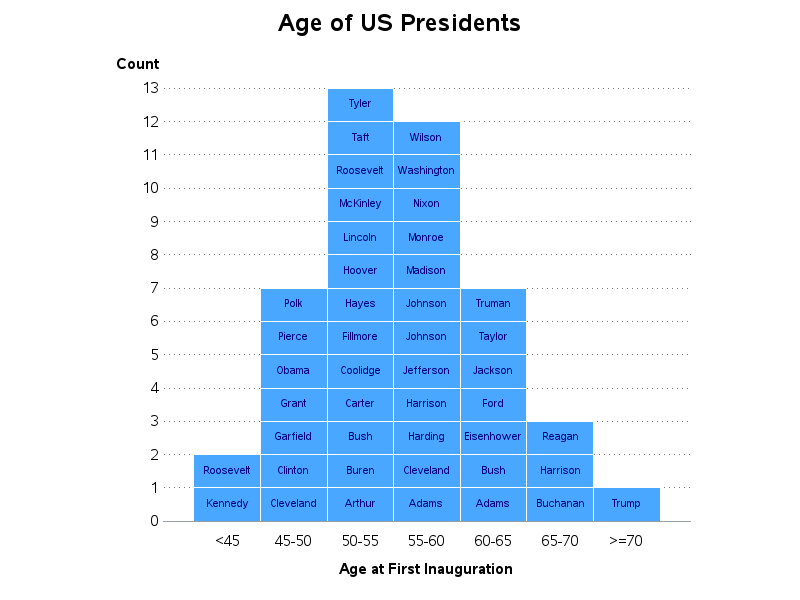
Recently, my fellow SAS blogger Rick Wicklin wrote a post showing how to graph the ages of all the US presidents. And Chris Hemedinger showed how to create a bar chart showing the number of presidents having each of the 12 zodiac signs. Both are interesting graphs, but I wanted to