All Posts


Conversations around equity in education are at a fever pitch. Decades of research show that students of color and low-income students are disproportionately taught by less effective or more inexperienced teachers. Civil rights leaders encouraged the Obama administration to require states to develop Equity Plans to ensure that every student
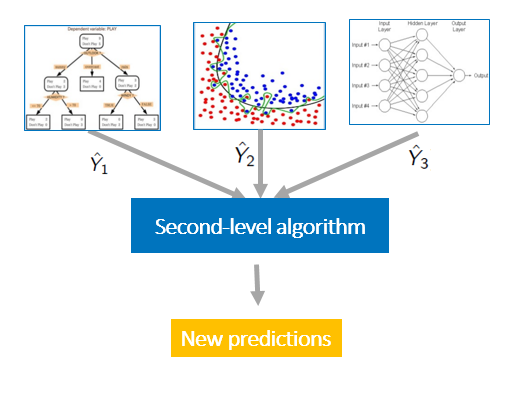

Ensemble methods are commonly used to boost predictive accuracy by combining the predictions of multiple machine learning models. The traditional wisdom has been to combine so-called “weak” learners. However, a more modern approach is to create an ensemble of a well-chosen collection of strong yet diverse models. Building powerful ensemble models


Are you caught up in the machine learning forecasting frenzy? Is it reality or more hype? There's been a lot of hype about using machine learning for forecasting. And rightfully so, given the advancements in data collection, storage, and processing along with technology improvements, such as super computers and more powerful

A common barrier to quantitative research, especially in health and financial areas, is the inability to share sensitive data due to confidentiality and privacy. It can be difficult and time consuming to get permission to share the data, which means useful research is delayed or not even attempted. However, collaborators seeking
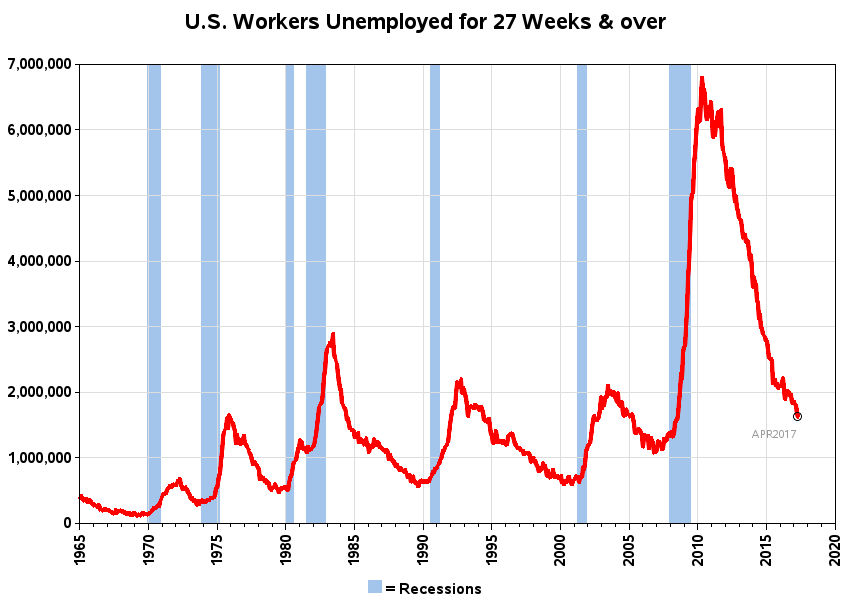

The US unemployment rate was down to 4.4% in April, which is the lowest we've seen since before the big recession (about 10 years ago). But a single number seldom tells the whole story, so let's look at unemployment data in several different ways, to get a more complete picture...


The April 2017 issue of Significance magazine features a cover story by Robert Langkjaer-Bain about the Flint (Michigan) water crisis. For those who don't know, the Flint water crisis started in 2014 when the impoverished city began using the Flint River as a source of city water. The water was


Deep learning made the headlines when the UK’s AlphaGo team beat Lee Sedol, holder of 18 international titles, in the Go board game. Go is more complex than other games, such as Chess, where machines have previously crushed famous players. The number of potential moves explodes exponentially so it wasn’t

2017/5/23にSAS Forum Japan 2017が開催されます。まだ参加後登録がお済でない方は下記からご登録ください。 SAS Forum Japanご登録サイトへ 今回は、その中でもセッション以外のところも今年はすごいので、ご紹介します。 すごいところ①:スーパーデモ20連発 今回のブログのタイトルにもありますが、今年はグローバルのイベントである、SAS Global Forumを模して、「スーパーデモ」なるものを実施します。これは約15分のデモセッションを次から次へと繰り返し行うものです。通常のセッションの数が限られているため、そこでご紹介しきれないSASソリューションや、セッションの補足的な説明など計20ものデモセッションが行われます。是非、時間の都合をうまくやりくりして頂いて、通常セッション、スーパーデモを渡り歩いて頂けると幸いです。 *括弧は、(何回目/全回数)の意味です。 *プログラムは変更される可能性がありますので、最新のプログラムと詳細はこちらからご確認ください。 12:15 - 12:30:さよならBI 〜 一歩先ゆくデータ分析の決定版 SAS Visual Analytics まるごとデモ!(1/4) 12:30 - 12:45:為替リスクヘッジの新しい取り組み(1/2) 12:45 - 13:00:コーディングなしでSASを使ってみよう!(1/3) 13:00 - 13:15:さよならBI 〜 一歩先ゆくデータ分析の決定版 SAS Visual Analytics まるごとデモ!(2/4) 13:15 - 13:30::SAS言語派集まれ!SAS StudioからSAS Viyaを使ってみよう! 13:30 - 13:45:需要管理(需要予測〜在庫最適化)のNext Generation 13:45 - 14:00:コーディングなしでSASを使ってみよう!(2/3) 14:00 -


Phil Simon looks at AWS's evolution before making some predictions about the future of Hadoop.

I am having a rough spring. My allergies are awful, really dreadful. I got sick and couldn't knock it for months. I injured my hip flexor in December and on some days in Jan, Feb, and March it hurt to even stand still much less exercise. And did I mention I am 50? I

빅데이터 시대의 데이터 사이언티스트를 향한 도전! SAS코리아가 ‘제 15회 SAS 분석 챔피언십’을 개최합니다. SAS 분석 챔피언십은 차세대 데이터 사이언티스트를 양성하고 그 저변을 확대하기 위해 기획된 공모전입니다. 지난 2002년 제 1회를 시작으로 국내 가장 오랜 전통과 전문성을 자랑하는 빅데이터 공모전으로 자리잡았습니다. LG유플러스의 후원으로 진행되는 올해 SAS 분석 챔피언십의 분석 과제는 ‘나도 몰랐던 나의 취향을


Artificial intelligence. Big data. Cognitive computing. These buzzwords are the ABCs of today’s marketplace. In a recent interview at SAS® Global Forum, I discussed the unprecedented pace of change that we’re seeing in the market. It’s creating what I like to call an analytics economy. In this economy, analytics –


Alguna vez se ha preguntado ¿Cuántas decisiones afectan a las operaciones que se toman en su organización cada día? La respuesta es probablemente más de lo que se puede imaginar. Por ello, la capacidad de tomar rápidamente las decisiones operativas más adecuadas, al mismo tiempo que se aprovechan los crecientes


The forecast is frightening: Robots will take over all manual labor and self-generating code will automatically spin out the algorithms once developed by statisticians and programmers. Humans will become obsolete. What will mere mortals do all day long? Ride captive as our self-driving cars take us on a sentimental journey
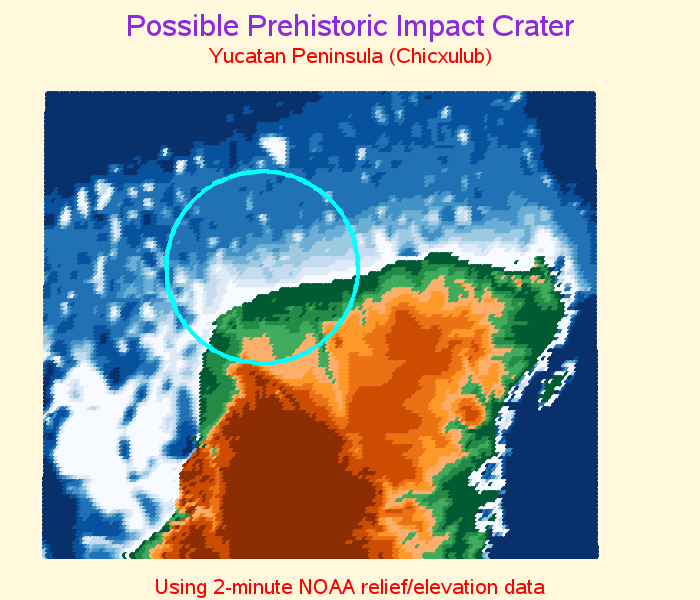
I guess a coding dinosaur is someone who uses an old/legacy computer language, or at least a language that isn't en vogue these days. Coding dinosaurs are still around (and probably will be for a while), whereas the real dinosaurs that lived millions of years ago are extinct. What caused