All Posts


5月23日に開催されたSAS Forum Japan 2017では、通常のセッション枠とは別に、「スーパーデモ」と題して、各種SAS製品やソリューションのデモが紹介されました。通常セッションの休憩時間はもとより、セッション時間中でも多くの方々が「スーパーデモ」エリアに集まり、食い入るようにデモも見られていました。 その中で、私が実施したデモ内容をご紹介します。 SASのAI機能は、SAS言語のみならず、Python, R, Java, Luaなどの汎用プログラミング言語からも活用可能ですが、このデモでは、SAS Studioを使用し、SAS言語でSASのAI機能を活用したモデル作成を行いました。 詳細(スライド版)に関しては、以下をご覧ください。(SlideShareに公開済み) SAS言語派集まれ!SAS StudioからSAS Viyaを使ってみよう! from SAS Institute Japan 詳細(デモ版)に関しては、以下をご覧ください。(YouTubeに公開済み) 今なら無償でSAS Viyaを試用することができます。詳細は以下のブログを参照してください。 SAS Viyaを体感してみよう! ~SAS Viya無償試用版利用ガイド~
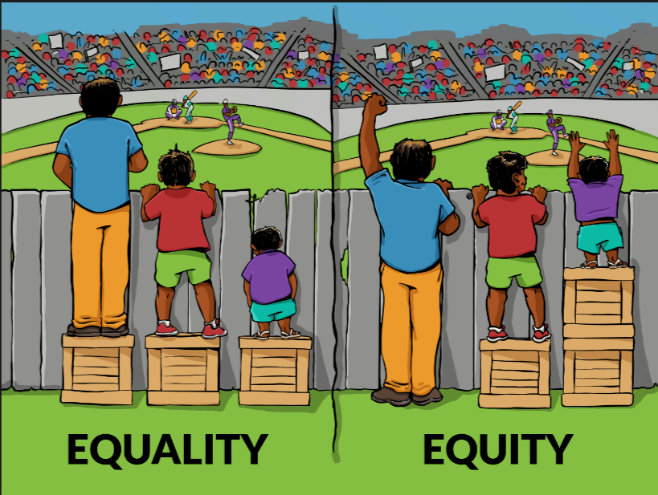

Two colleagues and I, all former educators, have dealt with education equity gaps both as children and professionally. This is the second post in a series about our experiences. I encourage you to read the first entry, Equity in education: I was a statistic. Many people think of education equity


En periodismo hay un viejo dicho: ‘Que un perro muerda a un humano no es noticia. Pero si un humano muerde a un perro eso sí es noticia’. Algo parecido fue lo que sucedió con WannaCry hace algunas semanas. El mundo entero se alarmó por el poder del ataque informático

Wait! Don't close this window. I understand that regular expressions can be very complicated (yes, there are many books on the subject), but some basic expressions to test patterns such as zip codes or telephone numbers are not that difficult. In addition, you can sometimes use Google to search for


I am delighted to have as one of my 2017 College Series’ guest bloggers, Theresa Maitland, PhD. Dr. Maitland is a Senior Learning Specialist and Academic Coach at UNC’s Learning Center. She has co-authored three books and engages in training and consulting with educational institutions. Q: When you think of
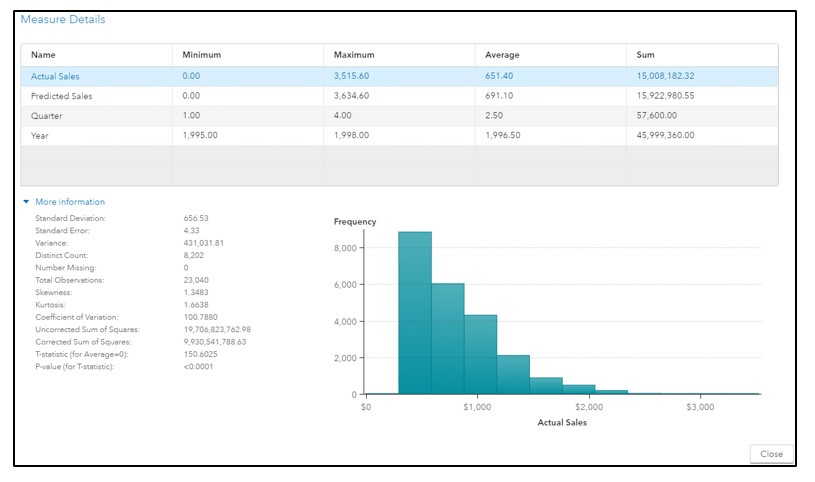

Refining your data for effective reports is even easier in the 8.1 release of SAS Visual Analytics. In this blog post, I’ll take a look at the data pane, how it displays data from your active data source, and a few tasks that you might want to perform, such as
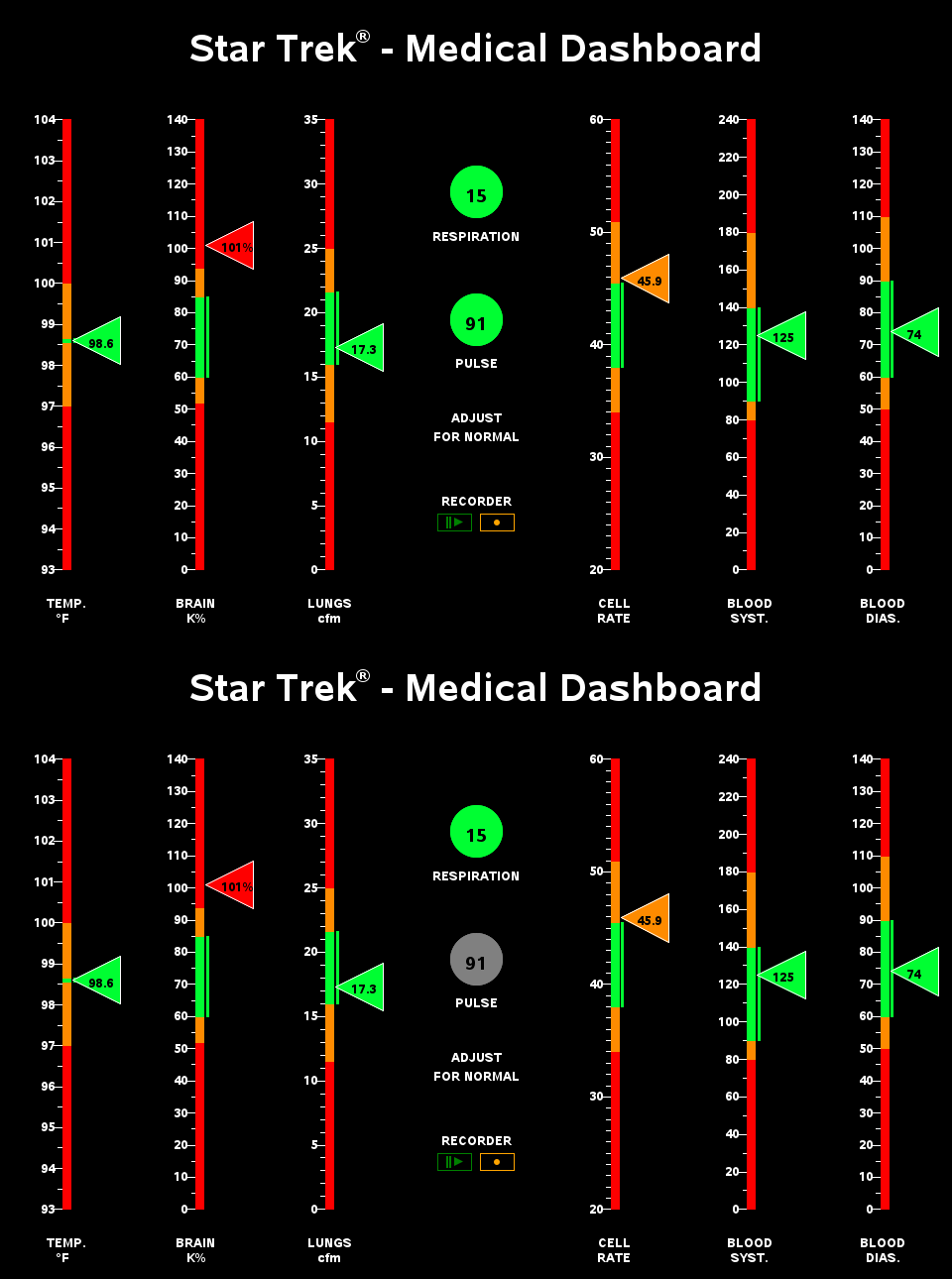

As a kid who grew up in the 60s & 70s, I was a big fan of the original Star Trek TV series. And in the years since, I have seen lots of the Star Trek “technology” become a reality: cellphones, portable tablet computers, talking computers (Alexa/Siri), etc. But I


Jim Harris advocates addressing data quality and governance issues on the way to data lakes and Hadoop.
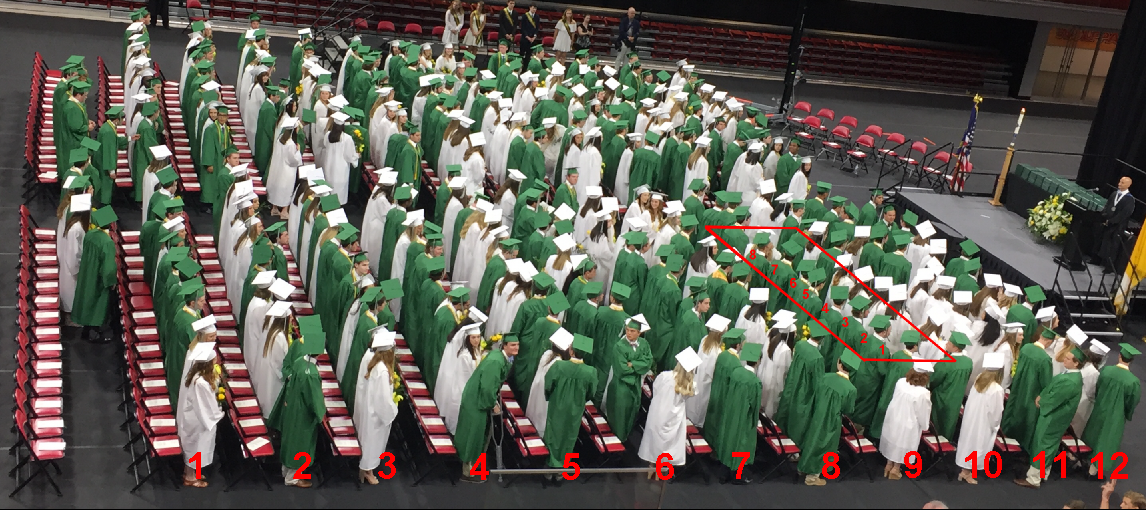

If you toss a coin 28 times, you would not be surprised to see three heads in a row, such as ...THHHTH.... But what about eight heads in a row? Would a sequence such as THHHHHHHHTH... be a rare event? This question popped into my head last weekend as I
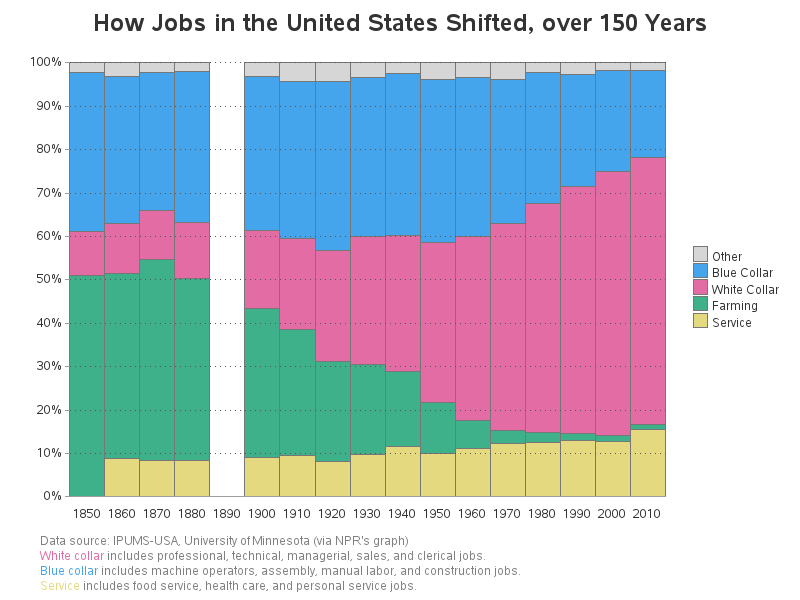
To stack the deck means to cheat or to fix something so a desired outcome is achieved. This term originated in card games, but can also be applied to other things. And here, I apply it (both metaphorically and literally) to creating a better graph! I recently saw the following

5月23日に開催されたSAS Forum Japan 2017の「SAS Viyaディープダイブ」セッションでは、SASのAIに搭載されている教師なし学習の3つの手法(SVDD(Support Vector Data Description), ロバストPCA, Moving Window PCA)を用いた異常検知の概要が紹介されました。 手法ごとの適用分野やSAS Studioを用いて実行した結果の紹介と、異常検知を業務に適用する際に留意すべき事項も交えてご紹介しています。 詳細(スライド内容)に関しては、以下をご覧ください。(SlideShareに公開済み) SAS Viya で異常検知してみよう! from SAS Institute Japan 詳細(講演ビデオ)に関しては、以下をご覧ください。(YouTubeに公開済み) 今なら無償でSAS Viyaを試用することができます。詳細は以下のブログを参照してください。 SAS Viyaを体感してみよう! ~SAS Viya無償試用版利用ガイド~


Opens chest, inner thighs while strengthening back, core and thighs. Goddess Pose (Sanskrit: Utkata Konasana) Begin in Mountain at the front of your mat. Step your left foot back as if you were moving into High Lunge. Turn your entire body to the left turning toes out to corners of
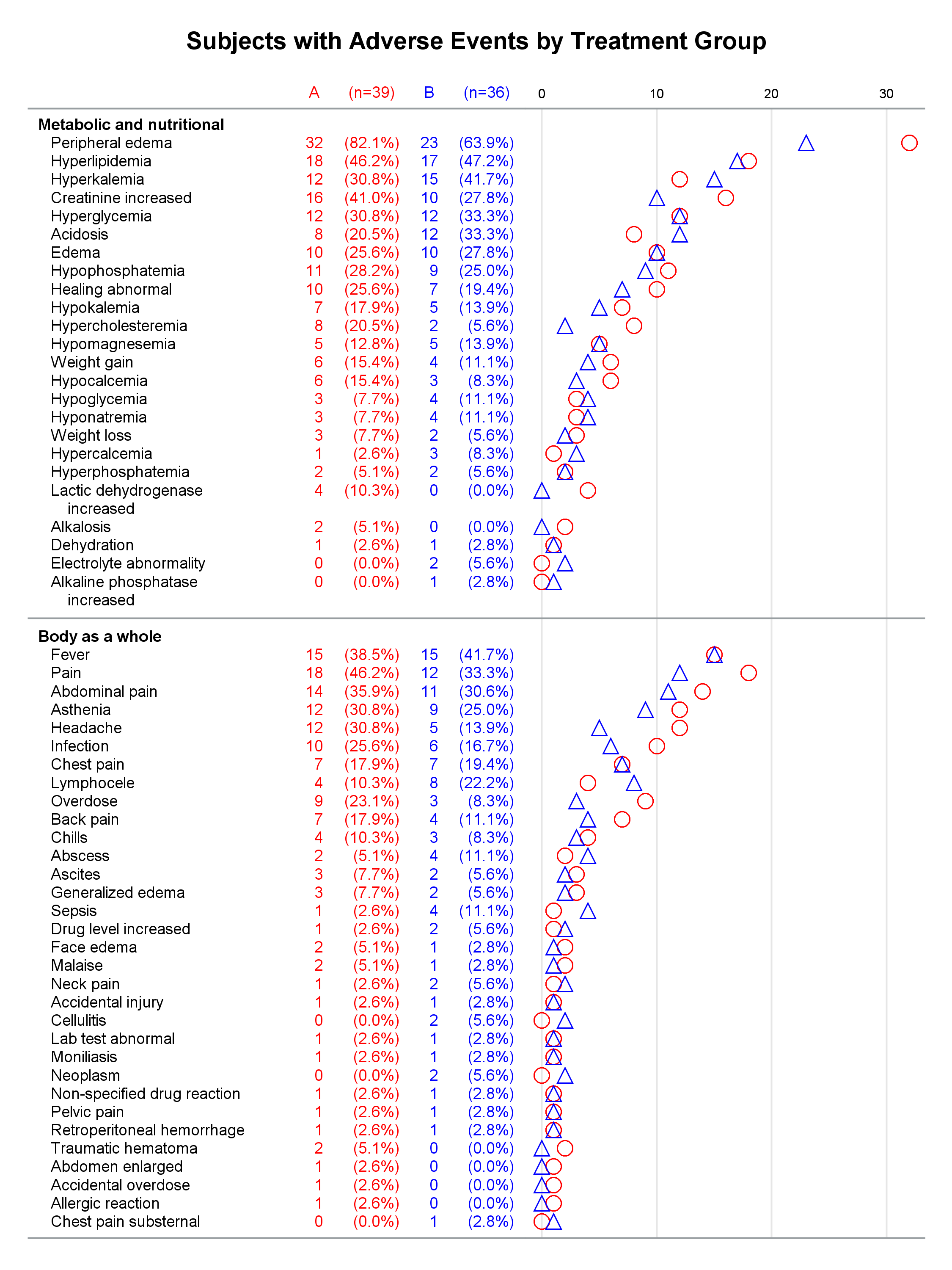

Did you know that you can make a graph extend across multiple pages? Making a multipage graph poses no problem for ODS Graphics---you simply use a BY variable to create page breaks. Most of the work involves deciding where to break pages and properly labeling continuations.
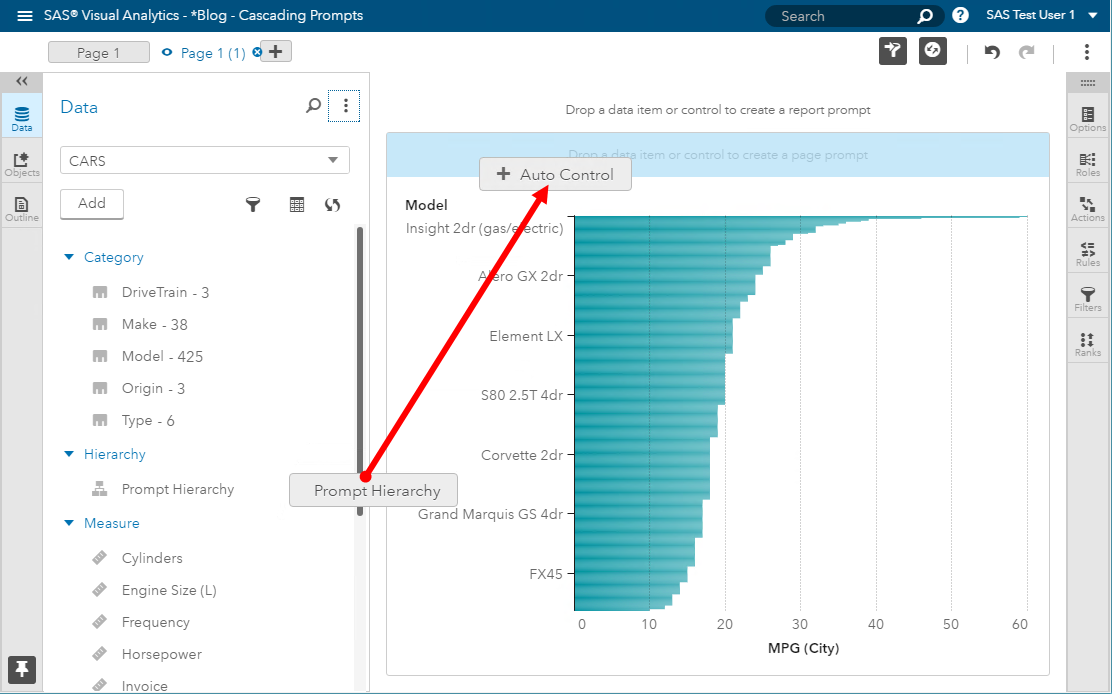

There are several exciting new features available in SAS Visual Analytics 8.1 that I know will excite you; this blog will show you how you can now configure cascading prompts for the Report Prompt and Page Prompt areas! Prior to SAS Visual Analytics 8.1 there was a way to use parameters to configure cascading prompts for

5月23日に開催されたSAS Forum Japan 2017の「SAS Viyaディープダイブ」セッションでは、SASのAIに搭載されている画像処理機能が入門レベルとして紹介されました。 従来からSASを活用されている方々にとっては、「SAS」と「画像処理」って、なかなか結びつかないのではないでしょうか? 「画像処理技術」に関して、SASではどのようなアプローチをとってきているのか...を、過去、現在、そして未来に分けて紹介しています。 詳細(スライド内容)に関しては、以下をご覧ください。(SlideShareに公開済み) Pythonで操るSAS Viyaの画像処理技術入門編 from SAS Institute Japan 詳細(講演ビデオ)に関しては、以下をご覧ください。(YouTubeに公開済み)