All Posts


El uso de herramientas de analítica avanzada permite a las organizaciones desplegar capacidades de “Customer Decisioning” para entregar a sus clientes una experiencia de consumo excepcional, gracias a una mayor relevancia en cada interacción. En la actualidad, los clientes esperan una experiencia perfecta, altamente personalizada y relevante ya sea en


I recently reacquainted myself with this excellent Executives Guide to AI from our friends at McKinsey & Company. The authors have distilled a complex topic into something easily digestible while avoiding jargon and hyperbole. While not in the CliffsNotes or Bluffer’s Guide category, this Insights article undoubtedly helps the reader
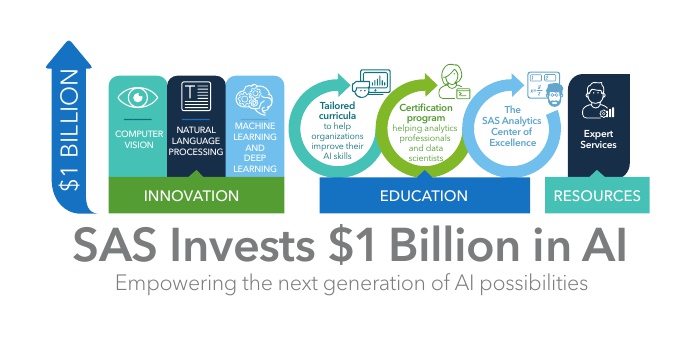

SAS, 향후 3년간 AI 분야 10억 달러 투자 계획 발표 R&D 혁신 교육 및 전문가 컨설팅 지원 통해 기업 AI 역량 강화 국내에서도 AI 전문가 교육 프로그램 제공… 인재 양성 및 분석가 저변 확대 2019년 3월 28일 – 세계적인 분석 선두 기업 SAS(www.sas.com/korea)가 향후 3년간 인공지능(AI) 분야에 총 10억 달러(한화 약


Virtual reality (VR), augmented reality (AR), eXtended reality (XR), mixed reality (MR), spatial augmented reality, hybrid reality. That's a lot of new technology and a lot of acronyms for a philosophical concept that has been pondered for millennia: what is reality? An intelligent reality is a technologically enhanced reality that


Autor Convidado: Rui Salsas, Business Analytics Senior Consultant, Mind Source A utilização de ferramentas tecnológicas de apoio e suporte ao negócio já é um fator de diferenciação com largos anos. Para quem recorre à tecnologia SAS, e são muitos os clientes e parceiros, a realidade do passado era uso do


SAS Viyaの分析機能をPythonから利用するためのハイレベルAPIパッケージであるDLPyでは、kerasと同等の簡潔なコーディングで、複雑な画像処理やディープラーニングを実行することができます。 そして、DLPyでは、kerasと同様に、2つの手法でディープラーニングのモデルを構築することができます。 Sequential modelとfunctional API modelです。 Sequentialとは、その名の通り、レイヤーを順序通りに積み重ねて、順序通りに実行していくモデルです。 以下は、DLPyを用いて、PythonからSAS Viyaのディープラーニング機能を使用して画像分類向けsequential modelのネットワークを定義している例です。 In [10]: model1 = Sequential(sess, model_table='Simple_CNN') model1.add(InputLayer(3, 224, 224, offsets=tr_img.channel_means)) model1.add(Conv2d(8, 7)) model1.add(Pooling(2)) model1.add(Conv2d(8, 7)) model1.add(Pooling(2)) model1.add(Dense(16)) model1.add(OutputLayer(act='softmax', n=2)) In [11]: model1.print_summary() Out[11]: In [12]: model1.plot_network() Out[12]: 一方、functional APIは、sequentialでは、表現することが難しい、より複雑な構造のモデルを構築する際に利用されます。 以下は、kerasの公式サイトに記載されている文面です。 “functional APIは,複数の出力があるモデルや有向非巡回グラフ,共有レイヤーを持ったモデルなどの複雑なモデルを定義するためのインターフェースです.” そして、DLPyでは、kerasと同様にsequential modelだけでなく、functional API modelの構築も可能になっています。 以下はその一例として、複数の入力と出力を持つような画像分類のためのディープラーニングモデルのネットワーク例です。 まず、テンソルオブジェクトを返すInput()によって、2つのテンソル、グレースケール画像とカラー(RGB)画像、を定義します。 グレースケール画像は2つの畳み込み層に送り込まれます。カラー画像はそれらとは別の畳み込み層に送り込まれます。


Cualquiera que esté informado sabrá que este no ha sido un año fácil en términos macroeconómicos para las organizaciones en América Latina, y particularmente en Argentina. En medio de este contexto, me enorgullece decir que el 2018 ha sido el mejor año de la última década para SAS Argentina, con
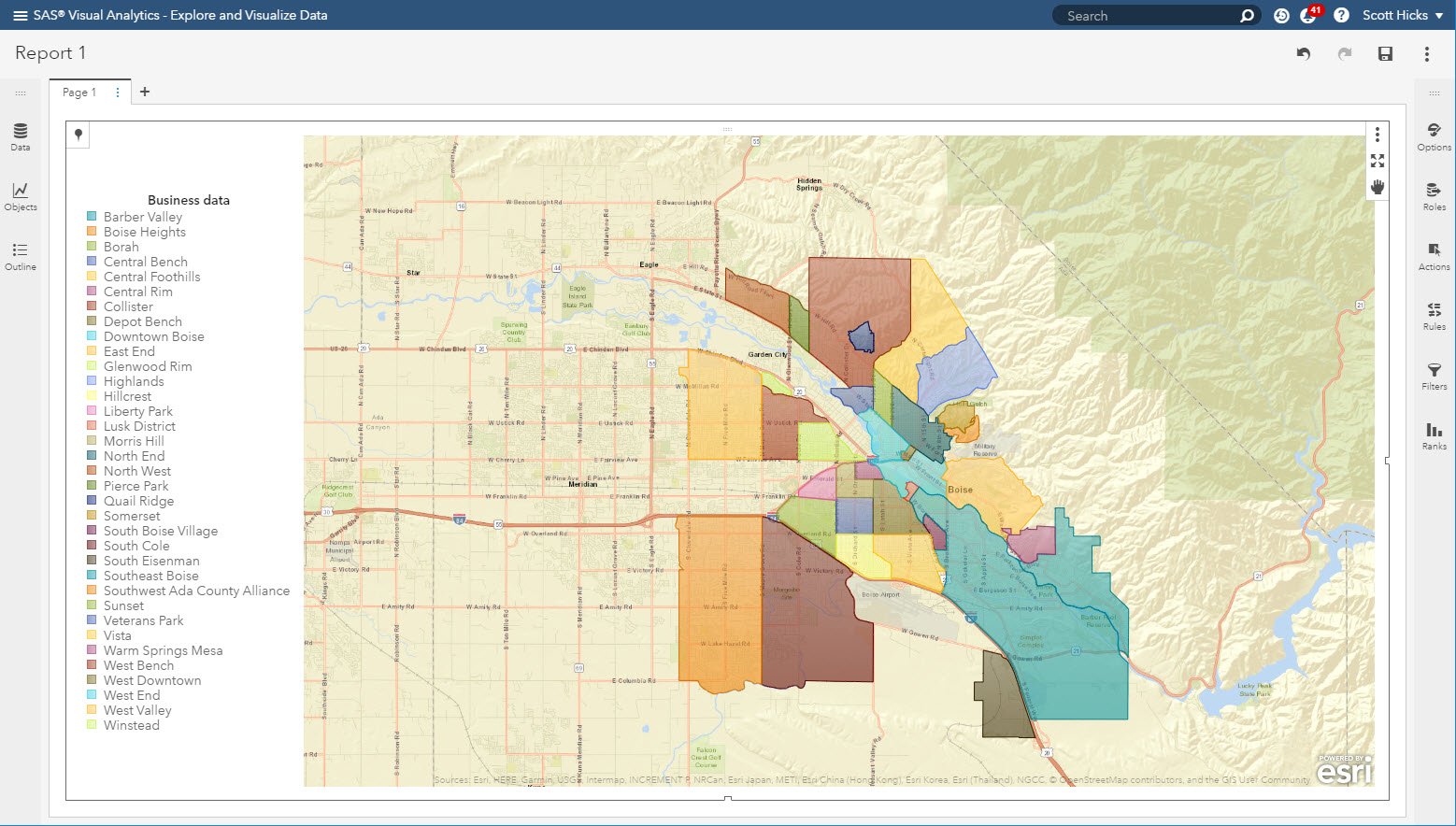

SAS Visual Analytics supports region maps for Country, US states, and provinces out-of-the-box. These work well for small scale maps covering the world, a continent, or a single country. However, other regions are often needed. Beginning in version 8.3, VA supports custom polygons to display regions such as sales territories,


We have all likely heard by now that if you have diabetes you also have an increased risk of heart disease. But what you might not know is that if you have diabetes (especially poorly controlled) your risk for dementia and Alzheimer’s is also increased. A growing body of research


Note: This is the first in a series of profiles of leaders in today’s utility analytics marketplace. “My job is to make people uncomfortable with the way they do things today. Transformation implies a revolution, not small incremental changes, and today the big revolution in any industry is in data,"
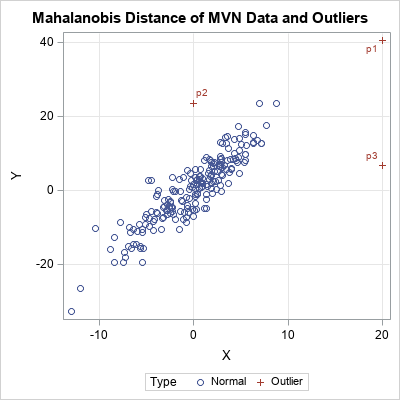

In simulation studies, sometimes you need to simulate outliers. For example, in a simulation study of regression techniques, you might want to generate outliers in the explanatory variables to see how the technique handles high-leverage points. This article shows how to generate outliers in multivariate normal data that are a
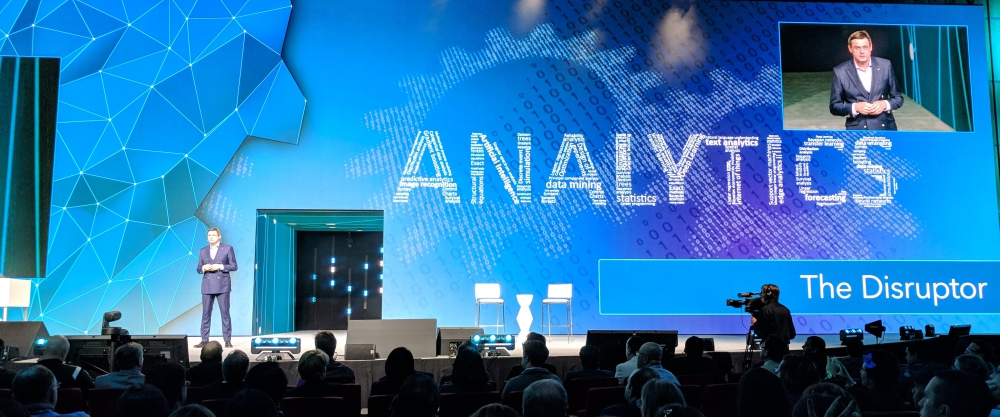

Si reconoces que el análisis de datos es fundamental para el éxito de tu organización, entre el 28 de abril y el 1 de mayo tienes que estar en Dallas, Texas, la sede del evento más importante del ámbito de la analítica avanzada. ¿Qué motivos justificarían el viaje? Podríamos señalar


Also celebrating is your bank's branch manager. She was skeptical when headquarters analysts equipped branches for "Cloud-based application using SAS" , saying it would speed up loan applications. But your quick, frictionless transaction proved them right.The bank's accountants are happy too. The new pay-as-you-go mode of using SAS software in

Have you ever wondered what exactly is diabetes? Does it affect me or my loved ones? What’s the big deal anyways? Can’t I just ignore it and go on with my life? For Diabetes Alert Day, we’re going to (hopefully!) convince you why it is important to know if you


“We are at the cusp of one of the most exciting times in our lives and, if we get our strategy for AI right, then the UK will be able to reap the rewards for our economy for decades to come.” Greg Clark - Secretary of State for Business, Energy