All Posts
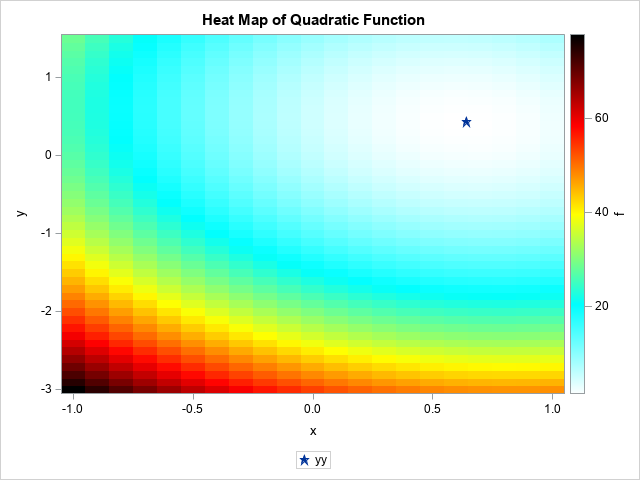

What is an efficient way to evaluate a multivariate quadratic polynomial in p variables? The answer is to use matrix computations! A multivariate quadratic polynomial can be written as the sum of a purely quadratic term (degree 2), a purely linear term (degree 1), and a constant term (degree 0).


“Ocean acidification is sometimes referred to as global warming's equally evil twin.” ~ Elizabeth Kolbert This is the second post in my two-part series about climate change. You can read part 1 of this series here. When engaging in data exploration for insights, it’s good practice to start with a
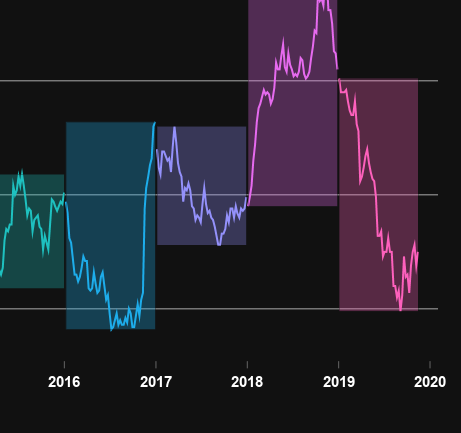

The English language can be a bit tough to learn. One reason is that sometimes words can have more than one meaning. For example, the word shady can mean "of doubtful honesty or legality," or it can mean "giving shade from sunlight." Which of those meanings am I thinking about,
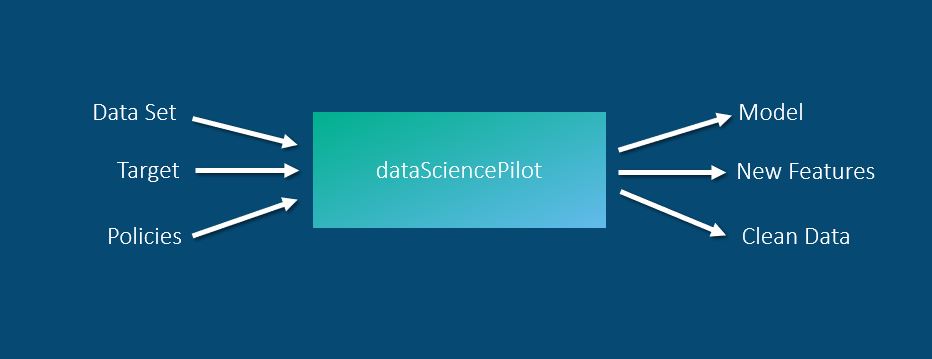

The dsAutoMl action is all that and a bag of chips! In this blog, we took over all aspects of the data science workflow using just one action.


Although we are still learning about all the negative health impacts on the body, it is important to remember that vaping is dangerous. And it is especially dangerous for our youth as their developing brains are much more susceptible to addiction. There is a lot of misinformation out there so
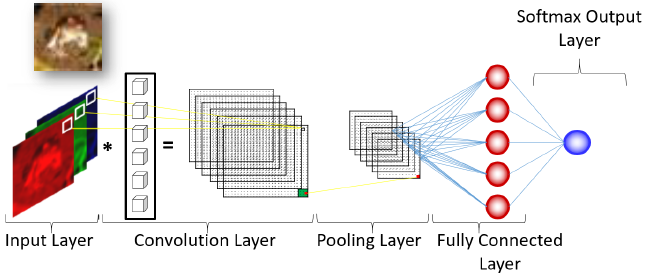

Jordan Bakerman's session at ODSC Europe inspired this post, which provides an overview of deep learning and how factorization machines work.


If you’re like me, you have a random assortment of mason jars around the house in all shapes and sizes. While I use them on a fairly regular basis, some of them are forgotten in the bottom of the cabinet. However, this clever kitchen hack will help you upcycle those


Analytics is a game-changer in detecting procurement fraud. It is by far the most efficient way of doing so.


Colleges and universities have access to enormous stores of data and analytics has the power to help higher education tackle some of its biggest challenges. Larry Burns, Assistant Director of Institutional Research and Information Management (IRIM), Oklahoma State University (OSU) knows a great deal about the power of analytics to
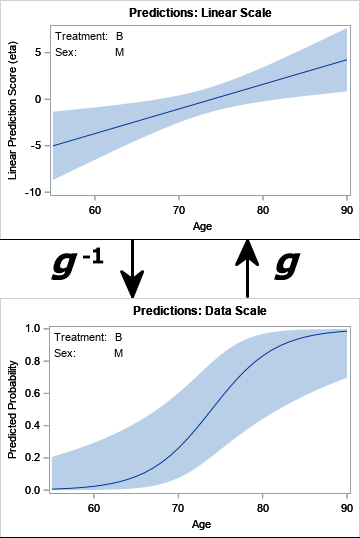
In a linear regression model, the predicted values are on the same scale as the response variable. You can plot the observed and predicted responses to visualize how well the model agrees with the data, However, for generalized linear models, there is a potential source of confusion. Recall that a


You’ve probably grown accustomed to seeing men with more facial hair in the month of November. First, there's the No-Shave November movement, when men do not shave their beards to “evoke conversation and raise cancer awareness”. This is an honorable mission however there is another one of a similar nature


We know that the job search can be stressful, and we want your application and interview experience to be a great one. Here’s a look at what to expect from our hiring process – from application to your first day. 1. Apply! Our application process is designed to be simple and transparent. Check


앞으로 10년 뒤, 2030년에는 어떤 브랜드가 살아남아 성장을 지속할 수 있을까요? SAS와 글로벌 시장조사기관 퓨처럼 리서치(Futurum Research)는 SAS 애널리틱스 익스피리언스 2019에서 ‘2030년 고객 경험의 미래(Experience 2030: The Future of Customer Experience)’ 설문조사 보고서를 발표했습니다. 다니엘 뉴먼(Daniel Newman) 퓨처럼 리서치 수석분석가 겸 창립 파트너는 더 많은 권한을 갖게 된(empowered) 소비자가 새롭게

지난 10월 21일부터 23일까지 이탈리아 밀라노에서 열린 'SAS 애널리틱스 익스피리언스 2019(SAS Analytics Experience 2019)'에서는 SAS의 머신러닝, 컴퓨터 비전, 자연어처리 등 AI 기술을 기반으로 기업들이 어떻게 실제(real) 가치를 실현할 수 있는지 보여주는 다양한 사례들이 소개되었습니다. 특히 행사 둘째 날에는 짐 굿나잇 SAS CEO, 올리버 샤벤버거 SAS 수석부회장 겸 최고운영책임자(COO) & 최고기술책임자(CTO)의


*Post basado en la presentación de Isabel Cristina Zuluaga de Tuya en SAS Forum Colombia Cada año en Colombia, cerca de 1,5 millones de personas inician su vida crediticia y obtienen su primer puntaje de riesgo (según cifras de la Superintendencia Financiera de Colombia). Los recién llegados al sistema buscan