All Posts
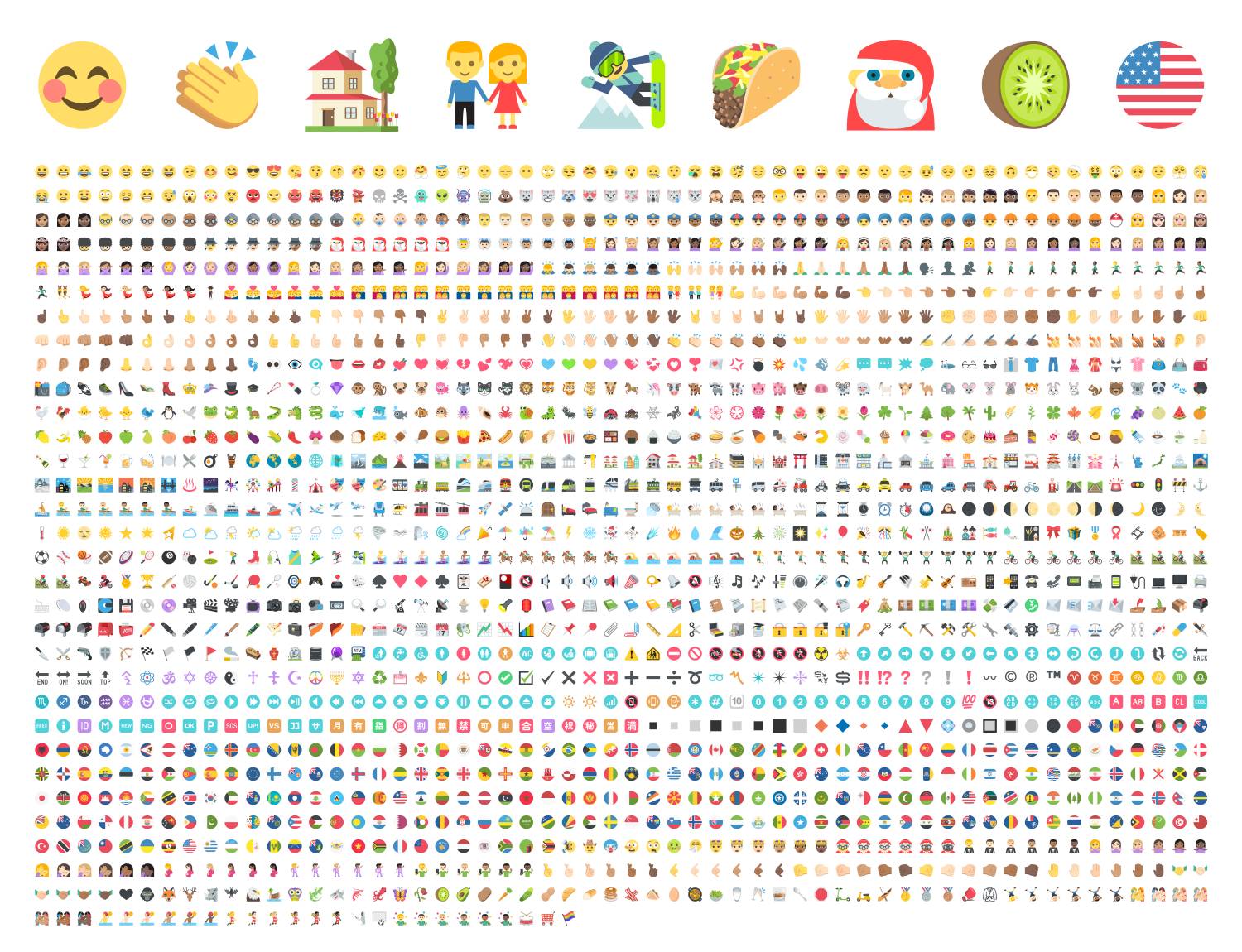

Emojis are showing up in our data. Here's what you need to know when working with emojis in your SAS code.


この時期の私の楽しみは、散歩の途中でかわいらしい色とりどりのアジサイの花を眺めることだ。アジサイは、「集まる」や「寄せ集める」という意味があり、花弁がいくつも集まっている咲き姿に由来しているそうだ。別名「七変化」とも呼ばれており、土の性質によって花色が変わるのが特徴。土が酸性だとブルー系、中性からアルカリ性だとピンク系になるそうだ。面白いことに、ブルーのアジサイをアルカリ性の土に植え替えると薄紫色のアジサイに変化するそうだ。 「統計学と機械学習の違いは何か」という質問を受けることがある。土の性質で色が変わるアジサイのように、機械学習と統計学も同じような関係ではないかと思う。両者の目的は似ているが、ビッグデータと高度な計算能力という土俵の違いが機械学習の発展に大きく寄与したのは間違いない。ただ、機械学習の歴史は比較的新しいが、統計学がなければその発展は考えにくい。例えば、決定木分析は機械学習が流行る前から統計学の手法の一つだったが、機械学習の進展とともに進化してきた。ちなみに決定木分析は樹形図の形式で結果を出力し、そのため初心者でも理解しやすい分析手法の一つ。SASでは、機械学習をはじめとして、ニューラルネットワーク、AI関連のトレーニングコースが年に数回開催されている(SASトレーニングコース)。 ※Google Trendによると日本での検索数は、2016年当りから交差する形で機械学習が統計学を上回るようになった。機械学習が統計学より広まったのは、ビジネスパーソンであろうが消費者であろうが、意思決定の場面で使われる頻度や処理速度に関連があると思う。 2024年7月初旬 相吉


Bill Wisotsky’s interest in quantum mechanics began in graduate school more than 20 years ago. For Wisotsky, a Principal Quantum Systems Architect at SAS, it was one of those ideas that takes root in your mind and doesn’t let go. As Wisotsky’s career progressed from studying behavioral neuroscience and teaching


Mixing vegetables into a meal you already love is one trick that helps non-veggie lovers increase their vegetable intake. Including sprouts is another non-intimidating way to sneak in more of the benefits of veggies. Why you ask? Research estimates that broccoli and cauliflower sprouts contain 10-100 times more cancer-fighting glucoraphanin
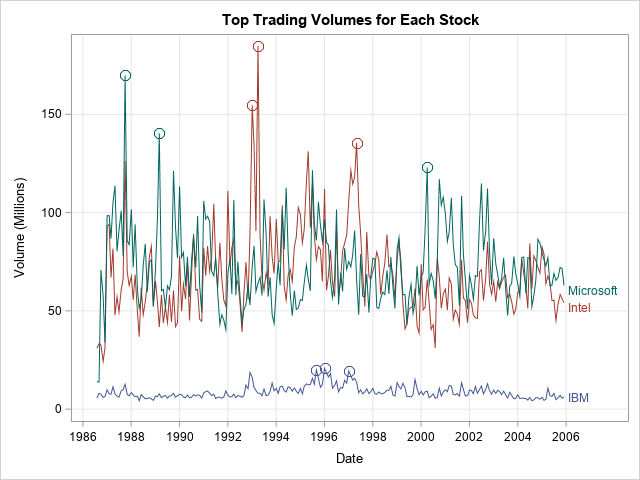

A previous article discusses the fact that there are often multiple ways in SAS to obtain the same result. This fact results in many vigorous discussions on online programming forums as people propose different (but equivalent) methods for solving someone's problem then argue why their preferred method is better than


People have high expectations not only from their favorite brands but also from public services. How do you ensure the smooth handling of citizen requests? How do you set the right priorities? Fortunately, data analytics and AI are game changers for these government requests. In a previous blog, we discussed


One core tenet of the annual SAS Hackathon is that great ideas can come from anyone, anywhere, including our skilled partner network. This isn’t your grandparents’ hackathon – our monthlong, fully digital hack challenges teams from around the globe to solve real-world problems with innovative solutions they create on SAS®


In the ever-expanding universe of AI, one concept has been steadily gaining ground: Human-out-of-the-loop AI. This term encapsulates a profound shift in how we interact with technology, prompting us to reconsider the boundaries between human and machine intelligence. But what does it entail? And what implications does it hold for

SAS' Kirby Thomas introduces a helpful coding shortcut for SAS users of all experience levels.
SAS' Kirby Thomas introduces a helpful coding shortcut for SAS users of all experience levels.


Adding linguistic techniques in SAS NLP with LLMs not only help address quality issues in text data, but since they can incorporate subject matter expertise, they give organizations a tremendous amount of control over their corpora.


SAS Decision Builder is a decision intelligence solution, which means that it uses machine learning and automation to augment human decision-making for better and faster insights that drive tactical and strategic business decisions. It’s a cousin to business intelligence and the next step after data engineering and model training, completing the analytics lifecycle to help achieve business goals.


En el dinámico mundo de los pagos, donde la comodidad y la rapidez son la norma, el fraude ha evolucionado a la par. Los delincuentes utilizan tecnologías avanzadas para preparar estafas, poniendo en riesgo la seguridad financiera de millones de usuarios. Para enfrentar este desafío, la industria financiera está recurriendo
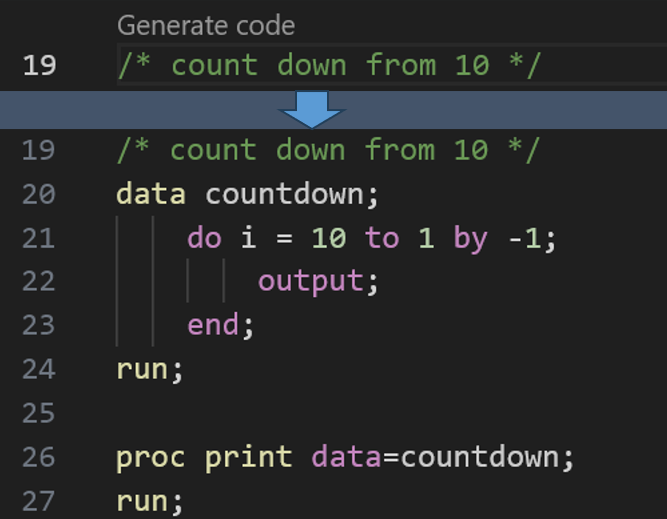
As announced and demonstrated at SAS Innovate 2024, SAS plans to include a generative AI assistant called SAS Viya Copilot in the forthcoming SAS Viya Workbench. You can submit a text prompt (by putting it in a comment string) and the Copilot will generate SAS code for you. My colleagues


Menos de la mitad de las aseguradoras en MX y LATAM han implementado IA 47% de las aseguradoras no han podido integrarse a la IA debido a la calidad de los datos que recaban En México y LATAM el 40% de las aseguradoras han iniciado la integración de herramientas