All Posts
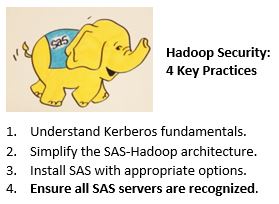

In this post we dig deeper into the fourth recommended practice for securing the SAS-Hadoop environment through Kerberos authentication: When configuring SAS and Hadoop jointly in a high-performance environment, ensure that all SAS servers are recognized by Kerberos. Before explaining the complex steps in connecting to secure Hadoop within a
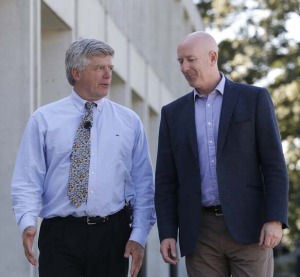

I recently caught up with Dr. Tom Davenport, analytics thought-leader and author of Big Data @ Work, in Dublin, where we talked about big data, the Internet of Things and Hadoop. I'll be sharing the conversation here with you in two parts. You'll find part one below, and you can check


Like many strong relationships, Yoga and I did not hit it off right away. I was in college enjoying strenuous exercise. I’d run, take step, and get in some abs all in one day. I was cardio crazy. There was nothing better than heading out on the trails for a


Do you have too many models to build, too many to manage, too few analytic resources or too much data? A Model Factory may be your answer. The mindset of analytics is changing. This represents the transformation from a “craftsman” dominated culture in which multiple weeks were spent cycling through


Want to know how much the Target and Home Depot cyberattacks cost those companies? According to Forbes, the price tag for data breach expenses ran $146 million for Target and is estimated at $62 million for Home Depot. Even financial institutions, once thought better protected, are reporting massive security breaches,
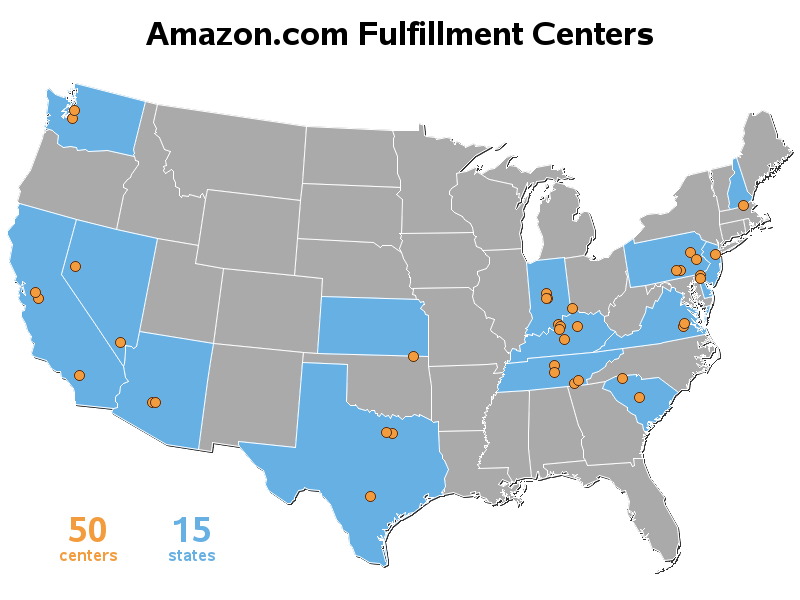

With Amazon Prime's 2-day shipping, I seldom go to physical stores any more. How do they deliver items so quickly? Let's analyze some data to find out... There are very few services/memberships that I truly feel like I'm getting "a good deal" for my money - and Amazon Prime is

Hello, 1992 called. They want their DDE Excel automation back. Perhaps the title of this article is too pessimistic. Of course your SAS programs that use DDE (dynamic data exchange) can still work perfectly, as long as you situate your SAS software and its DDE "partner" (usually Microsoft Excel) to


This post is a nod to one of my favourite plays, The Importance of Being Earnest by Oscar Wilde. As the title ‘Data Scientist’ becomes more common, what can we gain about the importance of titles and labelling from this century old play? For those that haven't read it, the
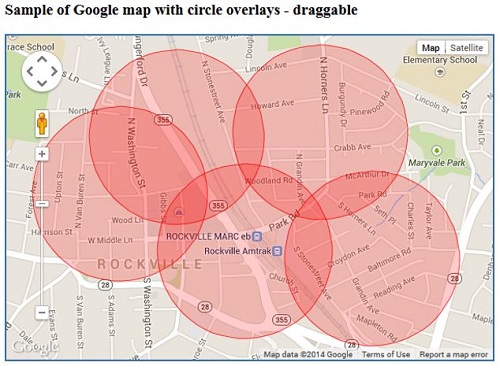

➤ DISCLOSURE! In June 2018 Google introduced changes to the way it handles its Maps platform. They now require API key in order to embed a map, plus Google Maps "projects" must now be associated with a billing account. Unless these new Google rules are met, Google maps described in
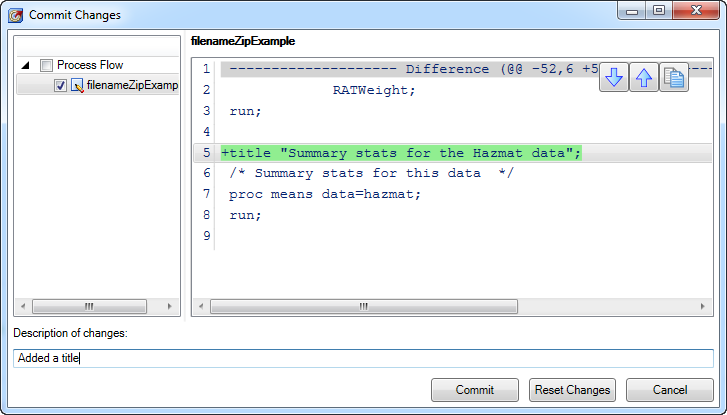
SAS Enterprise Guide 7.1 began shipping last week. Of the many new features, some are "biggies" while others are more subtle. My favorite new features are those for SAS programmers, including several items that I've heard customers ask for specifically. I'll describe them briefly here; the SAS Enterprise Guide online


The rise of analytics and big data presents a once-in-a-generation opportunity for organisations to put themselves at the cutting edge, to create a competitive advantage by developing a culture of analytical success within their organisation. Yet most seem unable to grasp the opportunity that is within their reach. Eric Hoffer


After attending the SAS Day at Texas A&M University on Oct. 2, I came away with a new perspective on some of the different educational offerings to help fill the analytic talent gap (which according to studies and research continues to grow). In essence, there is a yin and yang of


The only thing that’s constant is change. The continual cycle of computing changes leads to common questions about the effects of these changes—operating systems are getting upgraded, customers are moving to new SAS clients, upgrading to new releases of SAS, working with new Java and browser versions. All of these

What age women do men prefer on dating websites? - Let's have a look at the data... When I first started using computers in the early 80s, I thought it would be great to have everyone take a survey, and then let computers show you who your best matches were.

Today’s self-parking cars are a marvel, but that’s nothing compared to what’s just around the corner: Autonomous vehicles that can taxi you efficiently around a city, onboard navigation systems that warn of bad drivers or traffic jams nearby and offer safer, quicker alternative routes; trucks that haul commerce safely and