All Posts


SAS is hosting this year’s European Analytics 2015 conference in Rome November 9 – 11. This three-day inspiring event will give you the chance to boost your company’s analytics culture in an international environment to make sure your knowledge and expertise meet the demands of the digital era. But what if

Now that another summer of 12-hour family road-trips to Maine and Ohio, pricey engineering and basketball camps for the kids, and beating the heat at the beach are over, I've taken a fresh look at what people are focused on with their data – and what SAS is providing in the data management space.
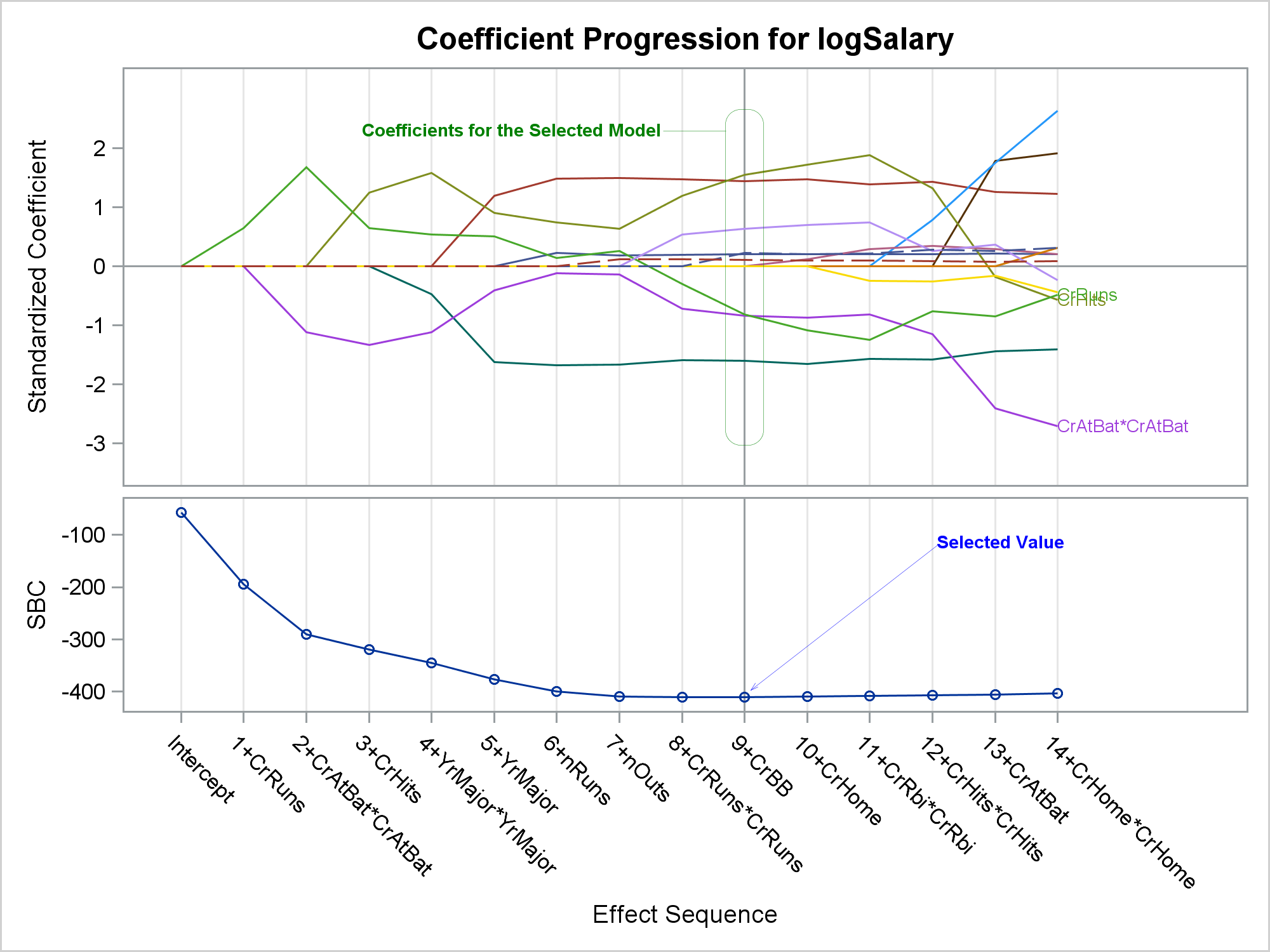

In the past few weeks, I have written two posts on SG annotation and on saving and then modifying the graphs that analytical procedures produce: Modifying dynamic variables in ODS Graphics Annotating graphs from analytical PROCs Today, I finish this series with one more post. This one shows how you
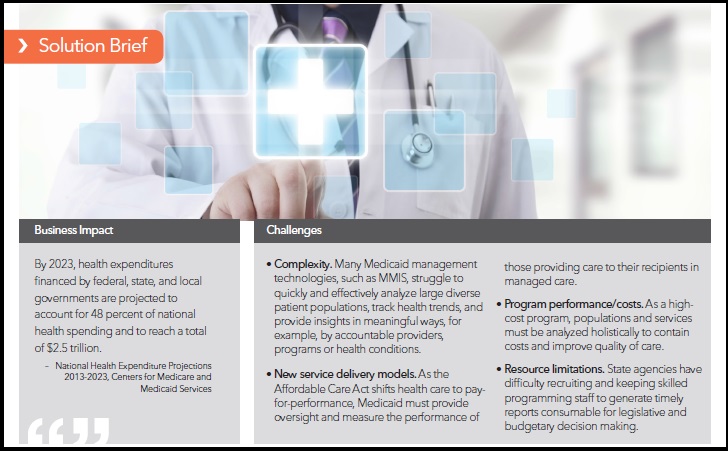

Today’s Medicaid environment is drastically different from that 5, 10 or 20 years ago. Medicaid enrollment has grown to monumental heights with recent CMS numbers (April 2015) at over 70 million. As enrollment rises, concerns about efficient management of care access, cost, quality, and effectiveness have become even more prominent.


¿Alguna vez ha pensado cuántas decisiones importantes debe tomar en la vida? Por suerte no son tantas: a qué colegio o universidad ir, casarse o no casarse, tomar un trabajo o no, en dónde vivir… etc. Nunca habrá una “penúltima” respuesta para estas decisiones, pero todas ellas necesitan de nuestros


“Garbage in, garbage out” is more than a catchphrase – it’s the unfortunate reality in many analytics initiatives. For most analytical applications, the biggest problem lies not in the predictive modeling, but in gathering and preparing data for analysis. When the analytics seems to be underperforming, the problem almost invariably


If you know me, you know two undeniable things (other than my love for froyo): I consider shopping a sport and I am an Analytics geek. Being an Analytics geek means that I see potential for using data everywhere, and never more than when it’s my data as a customer.


The new 7.3 release of SAS Visual Analytics not only uses the new HTML5 home page as the entry point to the Visual Analytics environment, but also introduces the new HTML5 viewer. The HTML5 home page interface features a personalized welcome message, tiles for content organization (Recent, Links, Favorites), icons to access
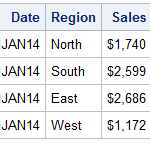

When we first released GTL and SG Procedures back with SAS 9.2, Box Plots and Bar Charts would always treat the category axis as discrete. We realized soon enough that we need to support box plots on scaled interval axes for many clinical applications, and this was added in SAS
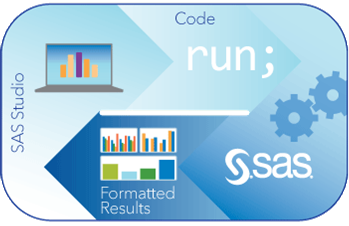

SAS Studioとは SAS Studioは、SASをWebブラウザから(HTML5)利用できるアプリケーションです。従来のようにクライアントPC上にSASをインストールする必要もなくなり、Webブラウザさえあれば、どこからでもSASエンジンを利用することが可能です。そのためもちろん、クラウド環境での利用にも適しています。統計やSASの学習目的であれば無償で利用可能なSAS University Edition / SAS OnDemand for Academicsのインターフェースに採用されているのでそれをご利用の方はすでに慣れ親しんでいらっしゃると思いますが、実はそれに限らず、ほぼ全てのSASユーザーの方がご自身のSAS環境で利用可能な次世代のインターフェースです。 SAS Studioを使用して、データ、SASライブラリ、SASプログラムを利用することができ、新規にプログラミングすることも可能です。 最新バージョンでは、多くのSAS Enterprise Guideユーザーに支持されている、マウスによるポイント&クリックでクエリを作成できる「クエリビルダ」も追加されました。 それだけはありません。SAS Enterprise Guideと同様、ポイント&クリック操作だけで背後でSASコードを自動生成させる様々な処理が用意されている「タスク」も用意されています。また、既存のタスクをベースに、あるいはテンプレートをベースに新規にユーザー定義タスクを作成できるようになっており、XMLを編集するだけで簡単に作成できます。 さらには、SAS Enterprise Guideのように、そのタスクとコードを組み合わせて、処理フローを作成するビジュアル・プログラミング機能も提供されています。 使い方 まずは、どのような操作感なのかを以下の動画でご確認ください!(日本語字幕付きなので音声出さなくても内容理解できます) SAS Studioの日本語の利用ガイドもありますので、是非ご活用ください。下記日本語ドキュメントは最新リリース3.4の一つ前のバージョンのものになります。最新バージョンであるSAS Studio 3.4用の日本語ドキュメントも間もなく公開できる予定で、こちらのSAS Studioのドキュメントページにアップされる予定です。 プログラミング入門ガイド SAS® Studio 3.3 SAS Studioを使用してSASプログラミングを行うための基本的な使い方を紹介しています。 SAS® Studio 3.3 ユーザーガイド SAS Studioの全ての機能の操作方法を日本語で説明しています。 動作アーキテクチャ タスクやプログラムコードを実行すると、SAS StudioはSASサーバーに接続しSASコードを実行します。SASサーバーは、クラウド環境上に配置することも可能ですし(SAS OnDemand for Academicsや、SAS University
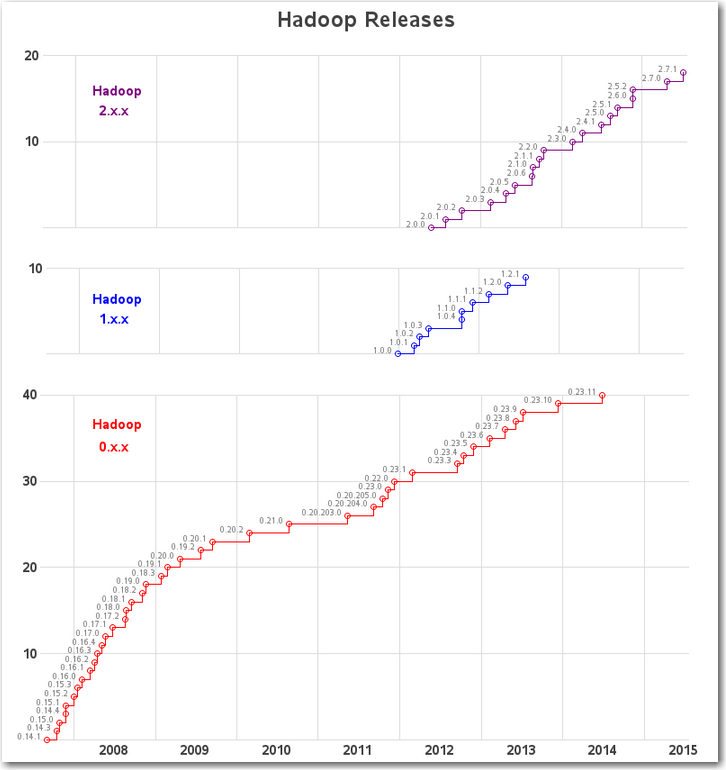

There's a lot of buzz about Hadoop these days. I started checking into it, and there seemed to be a gazillion releases. So, being The Graph Guy, I decided to create a graph to make it a little easier to digest! During my search for Hadoop information, I found the

A few of our clients are exploring the use of a data lake as both a landing pad and a repository for collection of enterprise data sets. However, after probing a little bit about what they expected to do with this data lake, I found that the simple use of


Choosing nutrient-dense foods is only half the battle when it comes to eating right. The other half is making sure you’re getting the most benefits from your great food choices. How do you do that, you ask? The answer is pretty simple. Paying attention to a few common food prep


While discussing ways and means to improve Sales and Operations Planning (S&OP) and forecasting, many a time business executives ask “What can we do with social media?" This was definitely NOT a usual topic in S&OP forum just a few years back! Most of the time, I push back the

Machine learning is moving into the mainstream. Once the sole purview of academic researchers and advanced technology firms, machine learning is now being is used by many companies in more traditional industry verticals. Machine learning uses mathematical (not necessarily statistical) models to learn about data. In this context, learning about