All Posts
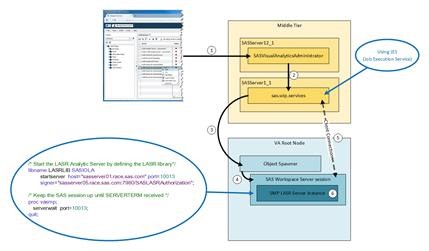

In this post, I will explain how LASR Servers (both Distributed and Non-distributed) are started from the SAS Visual Analytics Administrator application. We will also look at one particular issue and I will provide you with more details to understand the situation and two strategies to address this issue. When


Los datos no conocen fronteras. Este concepto enmarcó la edición número 42 del SAS Global Forum, el evento de analítica más grande del mundo que atrajo a más de 30.000 asistentes presenciales y virtuales. Durante cuatro días, profesionales de negocio y amantes de la tecnología, tuvimos la oportunidad de intercambiar


Dylan Jones says spend time setting a vision of how to transform your data landscape – not debating definitions.


유럽 연합(EU)의 자금세탁방지(AML; Anti-Money Laundering)와 고객 위험 평가에 대한 새로운 컴플라이언스 요구가 거세지고 있습니다. 이에 따라 앞으로 6개월 후 유럽 금융 업계는 큰 도전 과제에 부딪힐 것으로 보이는데요. 바로 유럽 연합의 ‘4차 자금세탁방지 지침(Fourth Anti-Money Laundering Directive)’ 때문입니다. 해당 지침과 관련된 모든 변경 사항들이 전면 시행되기까지 6개월도 채 남지 않았습니다.
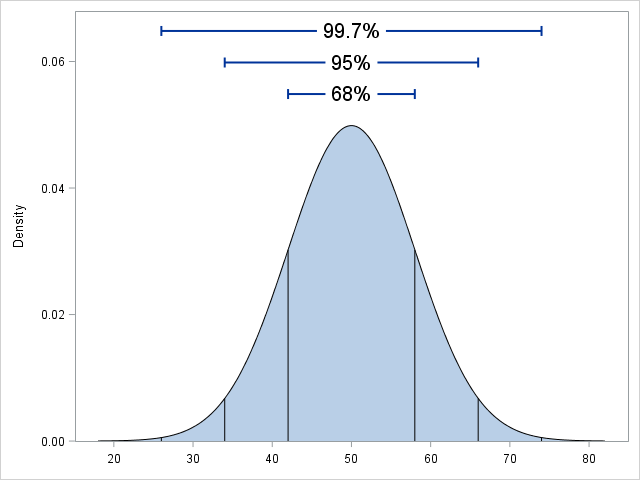

A reader commented on last week's article about constructing symmetric intervals. He wanted to know if I created it in SAS. Yes, the graph, which illustrates the so-called 68-95-99.7 rule for the normal distribution, was created by using several statements in the SGPLOT procedure in Base SAS The SERIES statement
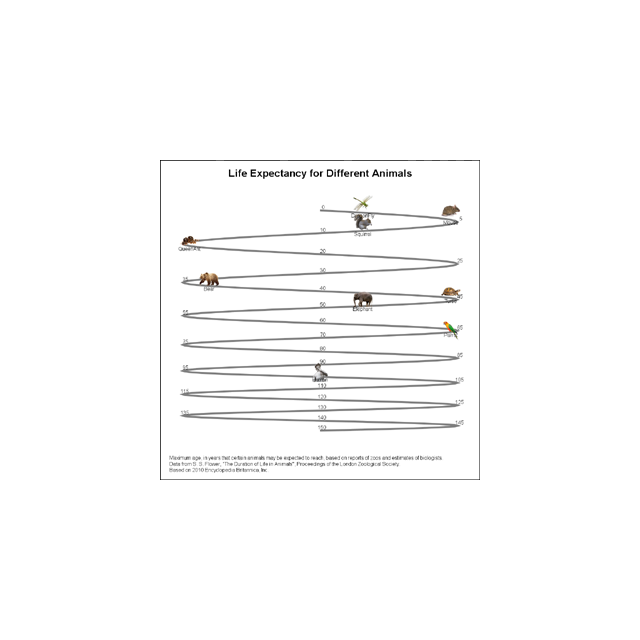

Last week I published an article on creating bar charts with visual category values. The idea was to use visual icons for the category values in a HBAR of age by animal. For the data, I referred to a visual from the 2010 Encyclopedia Britannica Inc. that I found on the
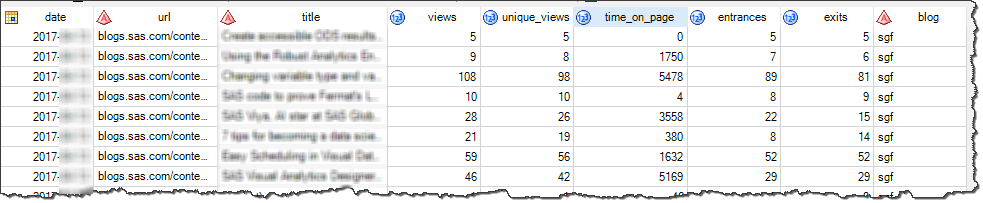

Every day before I even wake up, I have little "SAS robots" that do work for me. These are SAS batch jobs that gather data from external services and build data marts, generate reports, and send e-mail. One of those SAS jobs gathers Google Analytics data about our SAS blogs
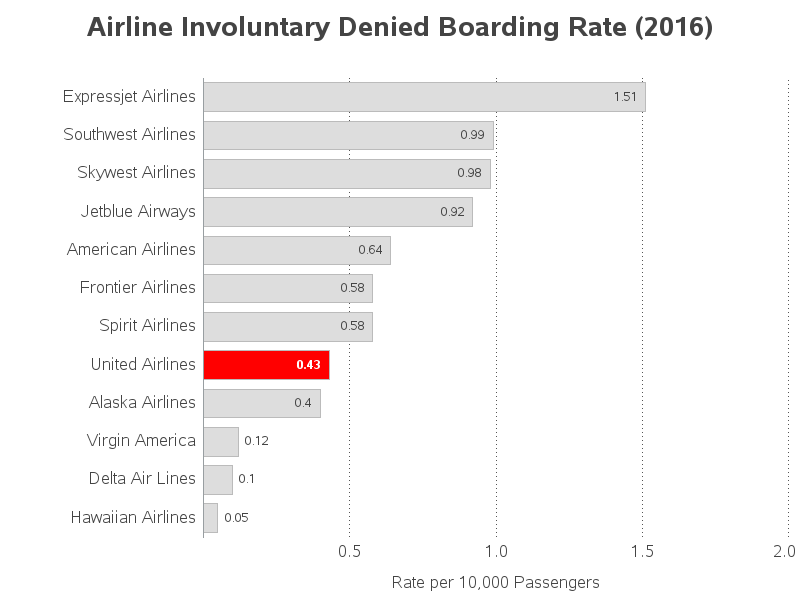

You've probably all seen the images of the passenger being forcibly removed from a United Airlines flight, to make room for airline staff flying on standby. The incident caused quite a bit of negative publicity, and quickly wiped out a quarter billion $ of the airline's market value. But did
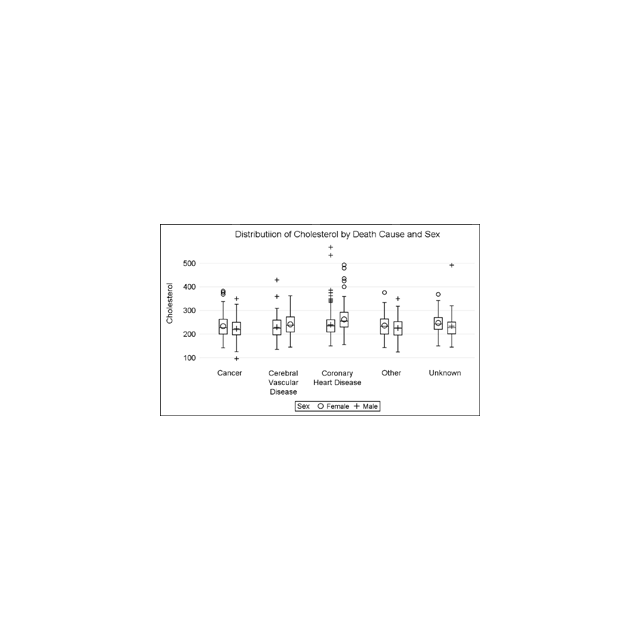
A grouped box plot created by SGPLOT VBOX / HBOX statement or GTL BOXPLOT statement will display groups within categories using group colors and puts the color swatches representing the group values in the legend. This works well for a color graph created as shown below. title 'Distribution of Cholesterol
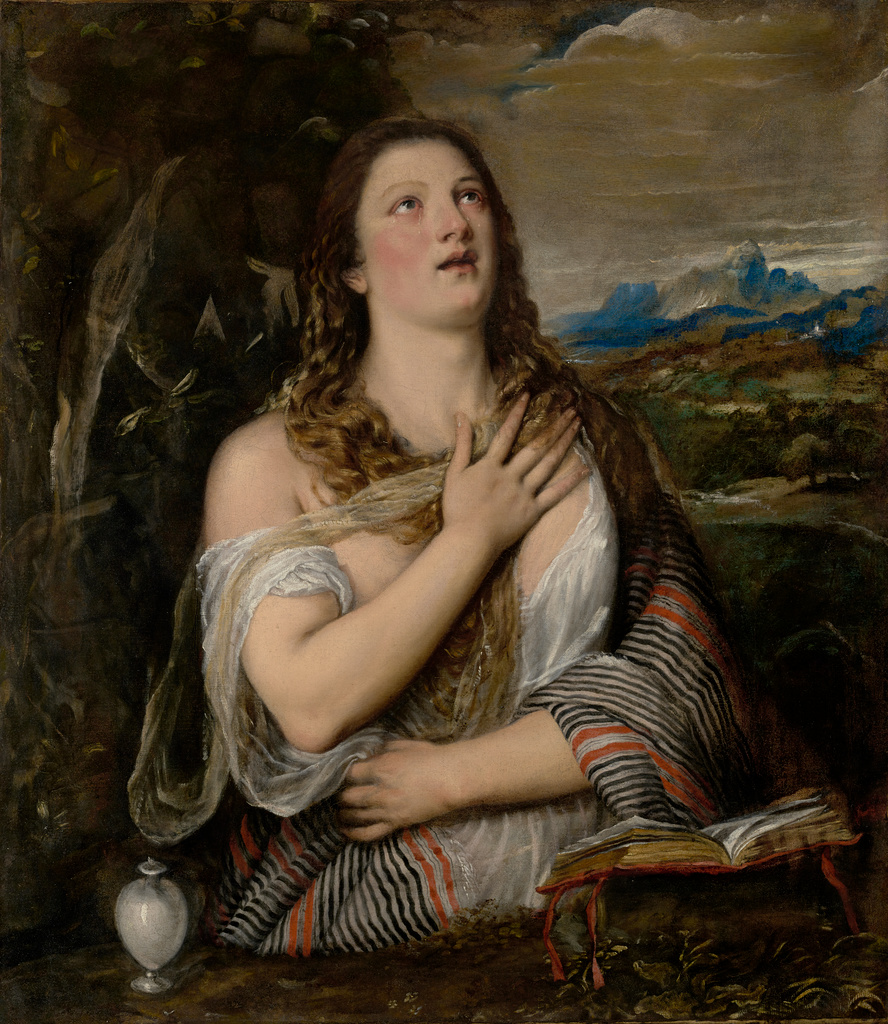

Even if you are a traditional SAS programmer and have nothing to do with cybersecurity, you still probably have to deal with this issue in your day-to-day work. The world has changed, and what you do as a SAS programmer is not just between you and your computer anymore. However,
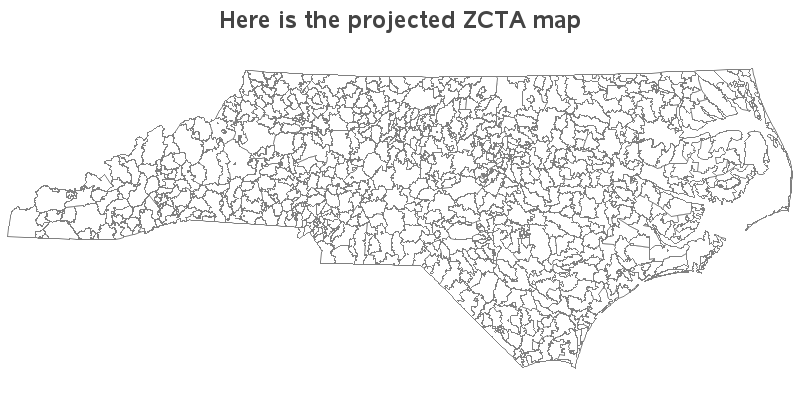
SAS provides a map for each country, but there are likely other maps you want to use that SAS does not provide. If you have other maps in the Esri shapefile format, you're in luck - you can import those maps and use them! In this blog post I share
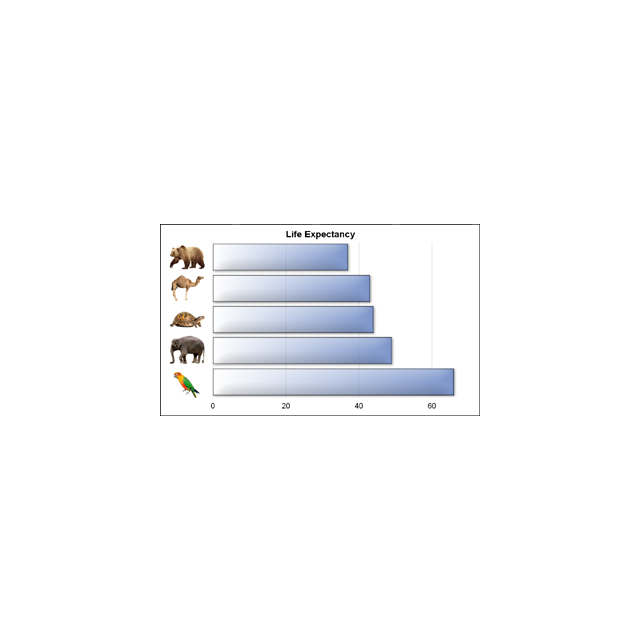
We often say a picture (or graph) is worth a thousand words. So, recursively, this could apply to other text in the graph. I thought it would be interesting to see if we can create a graph with visual categories. Another benefit is that such visual categories are inherently meaningful

I recently asked a SAS user, “Which interface do you use for SAS?” She replied, “Interface? I just install SAS and use it.” “You’re using the SAS windowing environment,” I explained, but she had no idea what I was talking about. This person is an extremely sophisticated SAS user who


I. Situación del cliente El fraude de seguros más común es el de vehículos, incluyendo los accidentes automovilísticos simulados y los reclamos de daños inflados. Con el sistema de detección de fraude adecuado, se pueden ahorrar millones, tal como lo demostró Allianz en República Checa. II. Desafío El desafío que


Jim Harris discusses how the lines between data management and analytics are fading.