All Posts
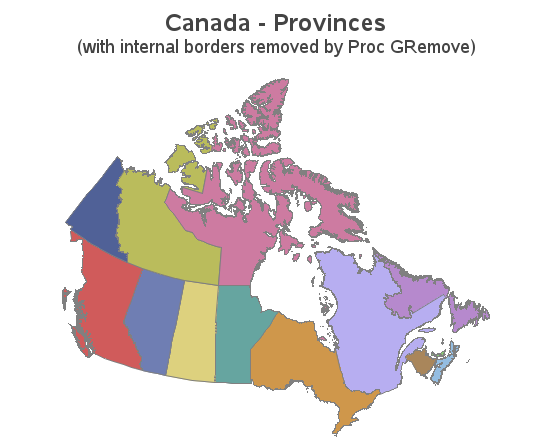

In recent versions of SAS/Graph, we have been shipping new/updated maps of each country, with 2 levels of detail (such as state & county, or province & division). But what if you only want a map showing the higher level of detail? In this blog post I share my third
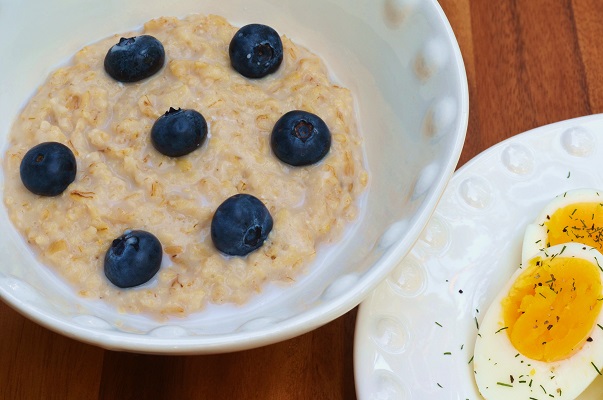

Finding time to make a home cooked breakfast can be tough…really tough! Especially when you’re bleary-eyed, trying to make sure your socks match and get out of the door on time. And as much as many of us love a warm bowl of tender, creamy and delicious steel cut oats,
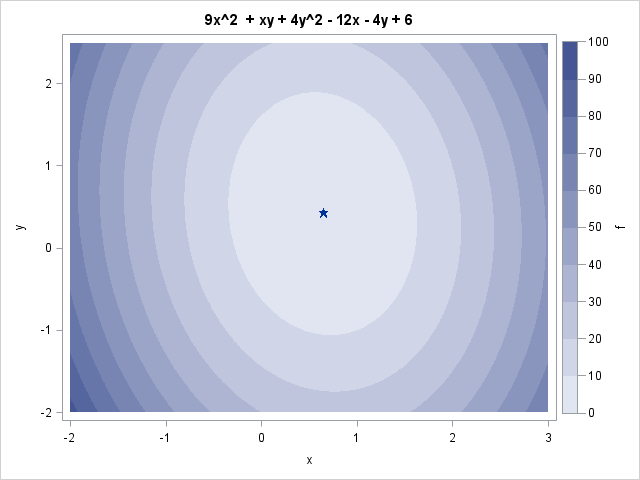

At SAS Global Forum last week, I saw a poster that used SAS/IML to optimized a quadratic objective function that arises in financial portfolio management (Xia, Eberhardt, and Kastin, 2017). The authors used the Newton-Raphson optimizer (NLPNRA routine) in SAS/IML to optimize a hypothetical portfolio of assets. The Newton-Raphson algorithm


La detección de fraudes actualmente radica en la capacidad de observar grandes volúmenes de datos (devoluciones Fiscales) y reconocer patrones en ellos. Una sola devolución de impuestos que reclama el Crédito por Ingresos del Trabajo podría no parecer sospechosa, sin embargo, si 1,500 devoluciones solicitando el crédito son presentadas por

Family-owned and operated for more than 35 years, Twiddy & Company prides itself on exceptional real estate services to homeowners and vacationers in northeast North Carolina and the Outer Banks. Whether a customer is thinking of putting their house up for rent or planning their next vacation, Twiddy makes the
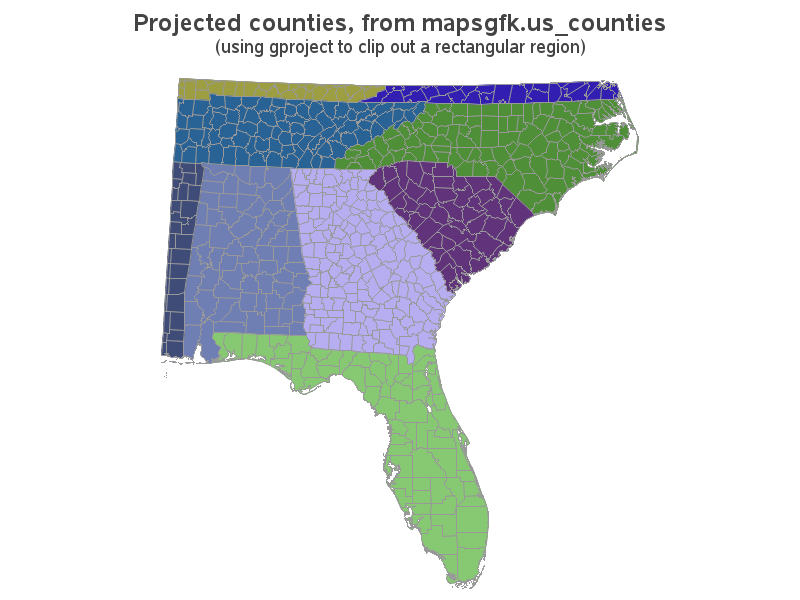
Have you ever seen a map that just didn't look right to you? Perhaps the map area seemed squished or stretched? Perhaps this was because they used a different map projection than you were accustomed to. Or maybe the map coordinates weren't projected at all. In this blog post I
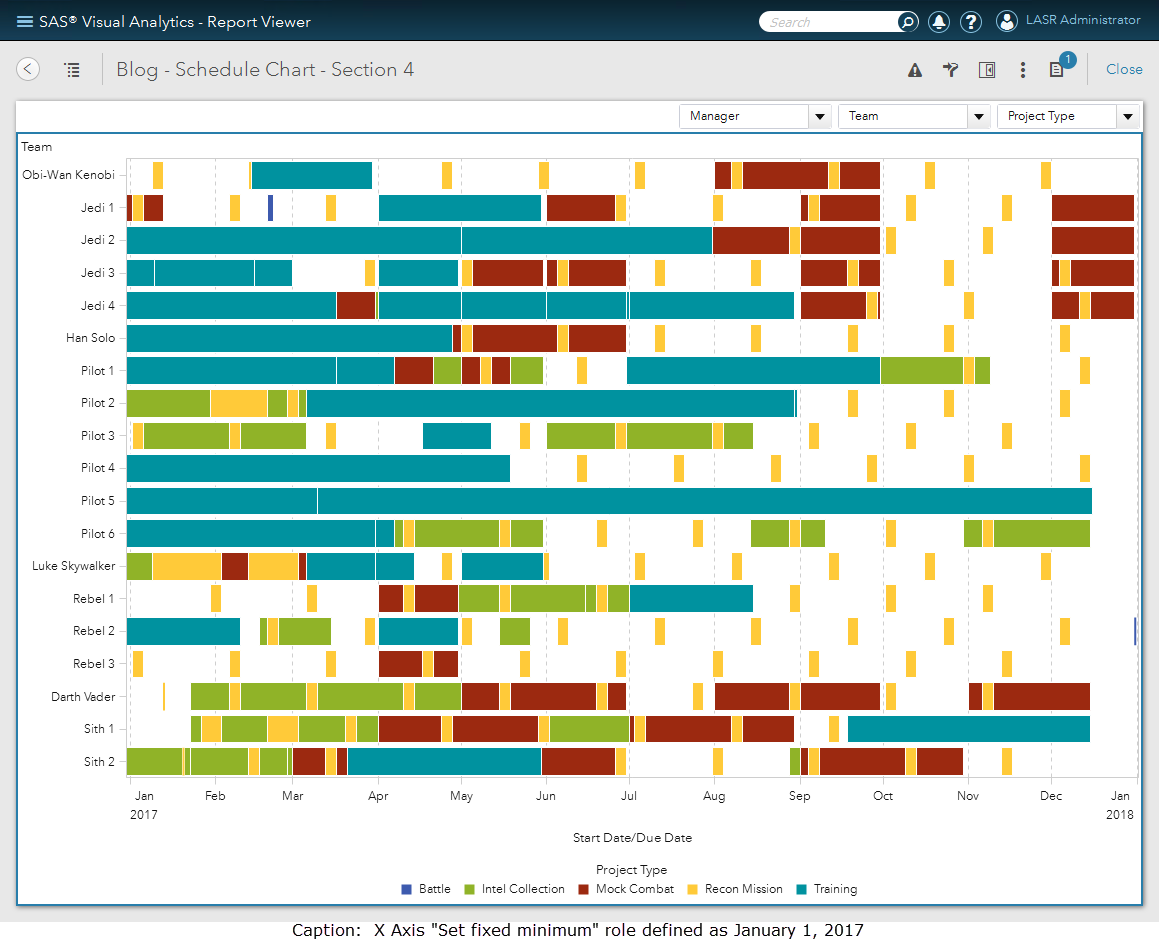

You may be wondering if you need something special to gain access to the Schedule Chart object. Don’t worry, you don’t, you just need to unhide this visualization if it isn’t already. You can do this from the Objects’ drop down menu. There are several other objects available to you


Hi! My name is Allison, and I recently completed my undergraduate work at UNC-Wilmington. I am currently in grad school at NC State getting my Masters in Social Work (Go Pack!), and am an intern in the Work/Life Center here at SAS. I am assisting Work/Life with aspects of the 2017 College Series
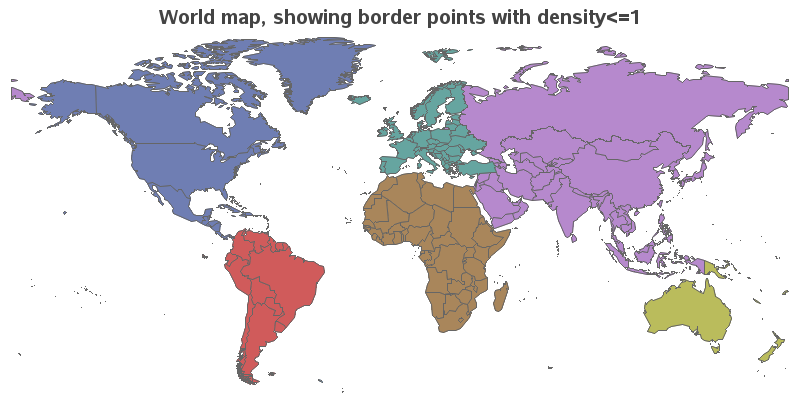
With the advent of things like car GPS & Google Maps, and a steady supply of nice maps from certain news sources (such as the New York Times), people have finally embraced the idea that mapping data can be very useful. And if you are into data visualization, you have
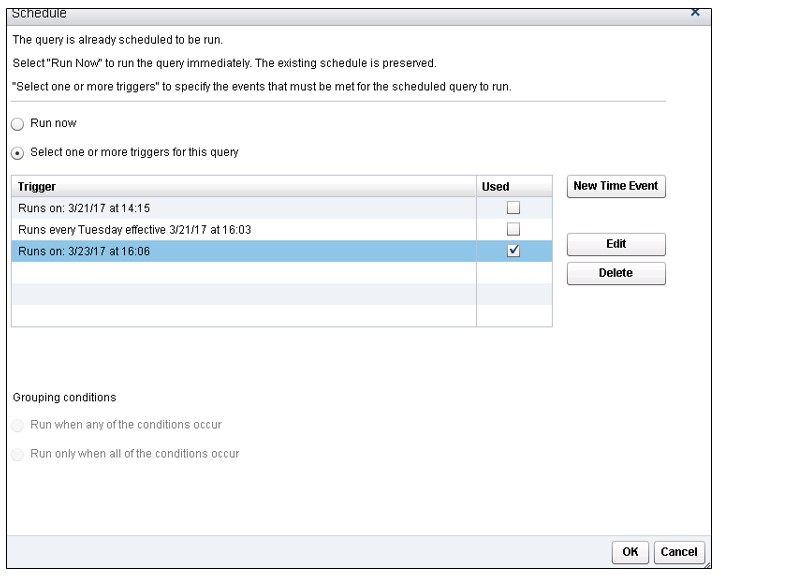

You can expand on the functionality of SAS Visual Data Builder in SAS Visual Analytics by editing the query code, adding code for pre- and post-processing, or even writing your own query. You can process single tables or join multiple tables, writing the output to a LASR library, a SAS library, or a


David Loshin explains why MDM is such a valuable tool in helping to detect fraud.
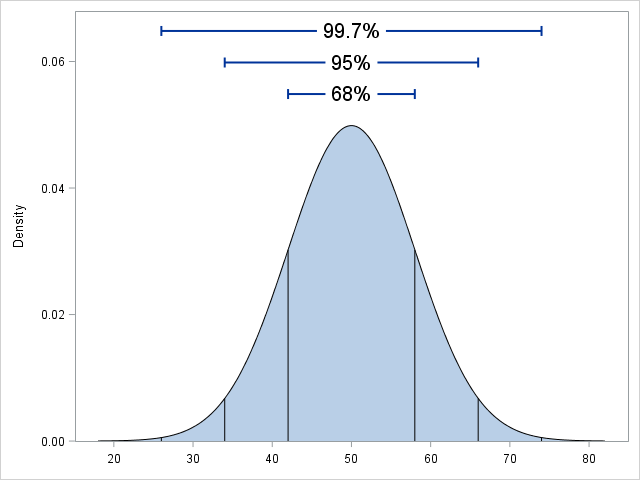
Many intervals in statistics have the form p ± δ, where p is a point estimate and δ is the radius (or half-width) of the interval. (For example, many two-sided confidence intervals have this form, where δ is proportional to the standard error.) Many years ago I wrote an article
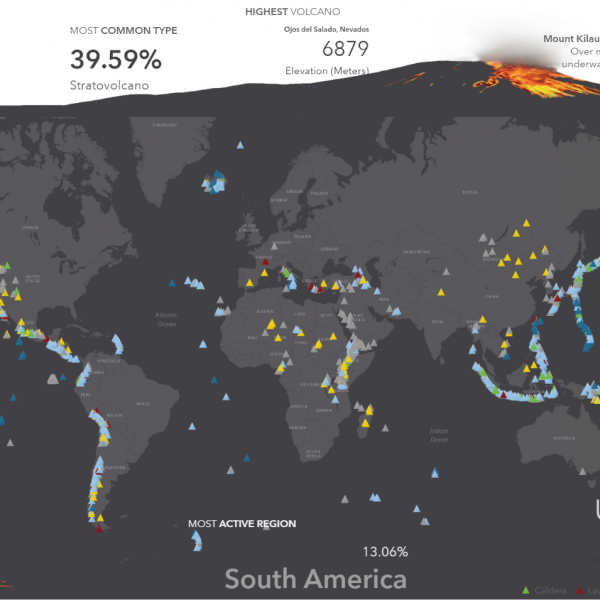

Earth is an explosive world! Data from the Smithsonian Institution's Global Volcanism Program (GVP) documents Earth's volcanoes and their eruptive history over the past 10,000 years. The GVP database includes the names, locations, types, and features of more than 1,500 volcanoes. Let's look closer into volcanic eruptions across the globe
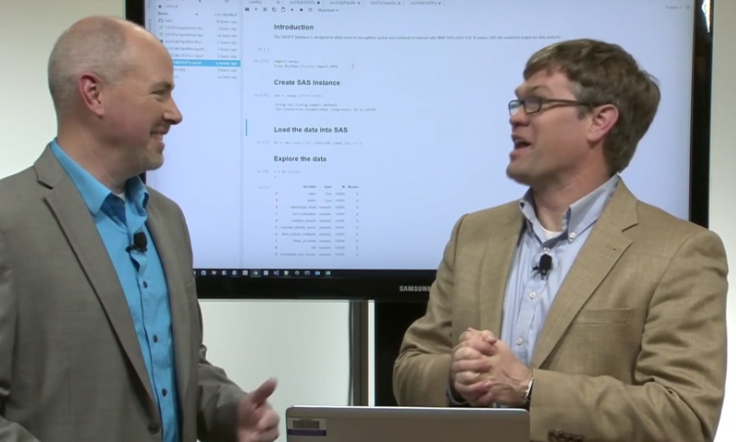

Thanks to a new open source project from SAS, Python coders can now bring the power of SAS into their Python scripts. The project is SASPy, and it's available on the SAS Software GitHub. It works with SAS 9.4 and higher, and requires Python 3.x. I spoke with Jared Dean
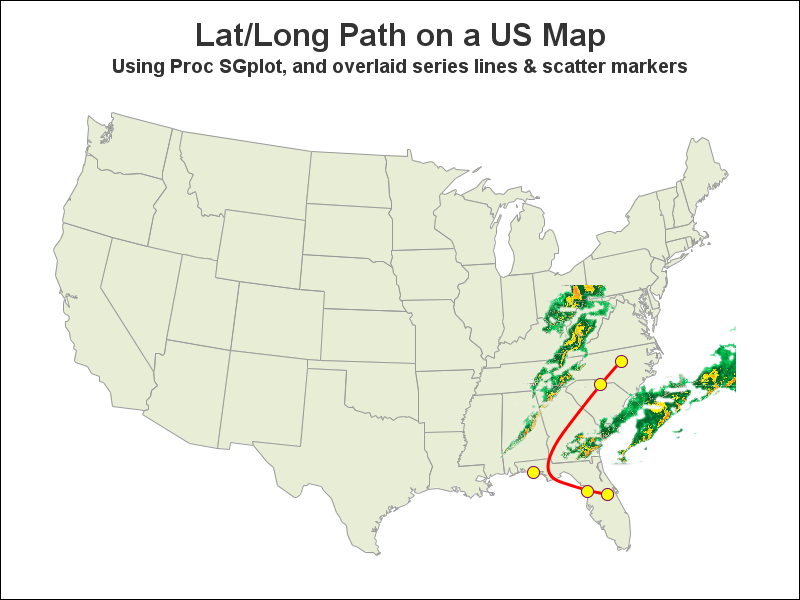

In his recent blog article on Drawing Paths on a Map using SGPLOT, Robert Allison showed us visually the path computed by the captain of his return flight from Orlando. As usual, one can rely on Robert to put in visual form some interesting bit of information. Thanks, Robert. I