All Posts


Longtime SAS programmers know that the SAS DATA step and SAS procedures are very tolerant of typographical errors. You can misspell most keywords and SAS will "guess" what you mean. For example, if you mistype "PROC" as "PRC," SAS will run the program but write a warning to the log:


Manufacturers are used to operating in challenging circumstances – whether financial, economic, political or competitive. And it's a good thing since the coming years seem likely to be as uncertain as those following the global economic crash. But manufacturing will have an excellent opportunity to thrive because, like many sectors,


Let’s have some fun, shall we? Share your video or photo! The SAS User Community, albeit spread around the world, is a tight-knit group. We may sit alone in our offices pounding out code, developing applications, tweaking system performance or creating reports, but the truth is other SAS users (our
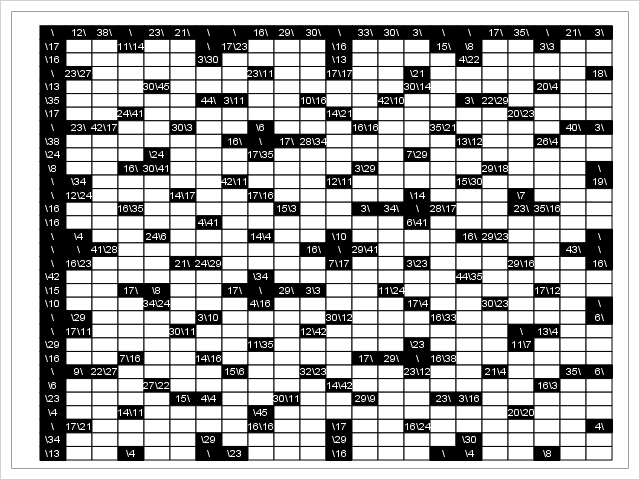

Erwin Kalvelagen recently posted about a logic puzzle called Kakuro, also known as Cross Sums. As in traditional crossword puzzles, there are horizontal and vertical clues. As in Sudoku, each white cell is to be filled in with a digit from 1 to 9, with no digit repeated within the


Editor's note: This series of blogs addresses the questions we are most frequently asked at SAS Press! It worth spending some time on this. Arguably, this is one of the most important parts of the book. The table of contents and outline provide the blue print of your book –


Machine learning is a type of artificial intelligence that uses algorithms to iteratively learn from data and finds hidden insights in data without being explicitly programmed where to look or how to find the answer. Here at SAS, we hear questions every day about machine learning: what it is, how it compares to
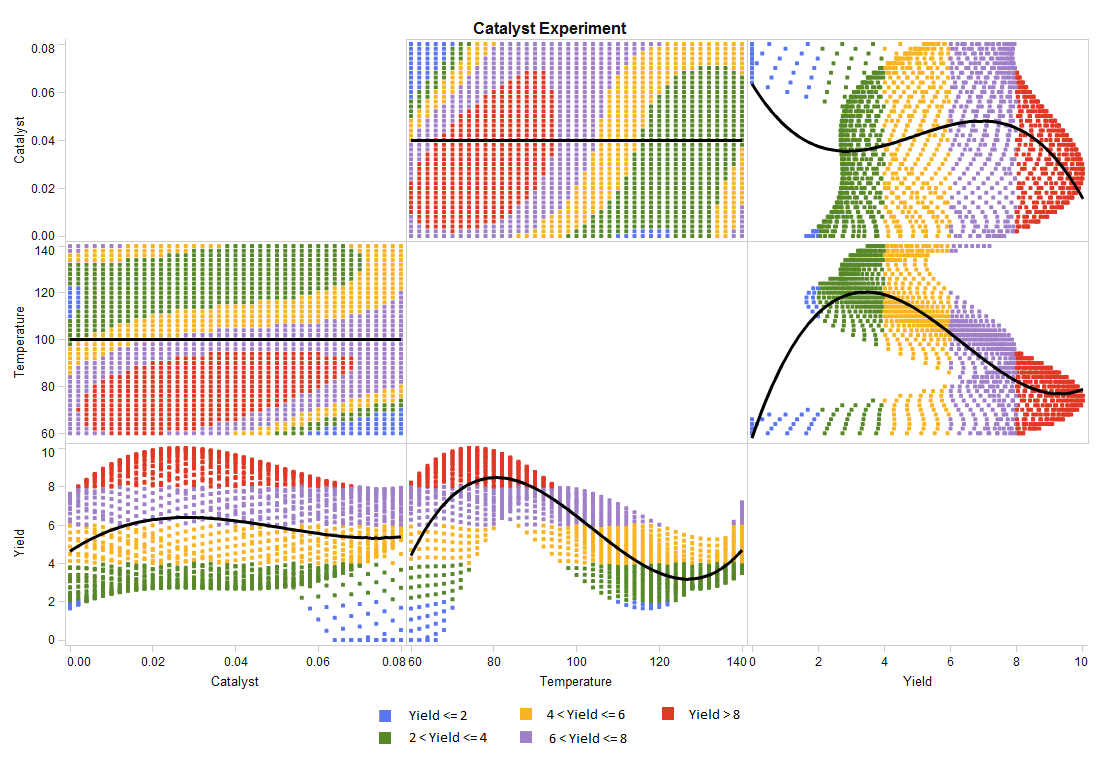
As a practitioner of visual analytics, I read the featured blog of ‘Visualizations: Comparing Tableau, SPSS, R, Excel, Matlab, JS, Python, SAS’ last year with great interest. In the post, the blogger Tim Matteson asked the readers to guess which software was used to create his 18 graphs. My buddy,


.@philsimon advises to be wary of those promising obvious and facile solutions to increasingly challenging governance and privacy issues.


Thanks to Laurie Berzack, MSW, this week's guest blogger for the Work/Life Relationship Series! I've been a matchmaker for more than a decade, I've seen and heard it all. Do you really have no time to meet someone or is that merely an excuse? If you DO want to find the love of

Editor's note: Amanda Farnsworth is Head of Visual Journalism at BBC News and a featured speaker at SAS Global Forum 2017, April 2-5, 2017 in Orlando. There was a best selling book some years ago called “Men are from Mars and Women are from Venus.” It’s a phrase I thought
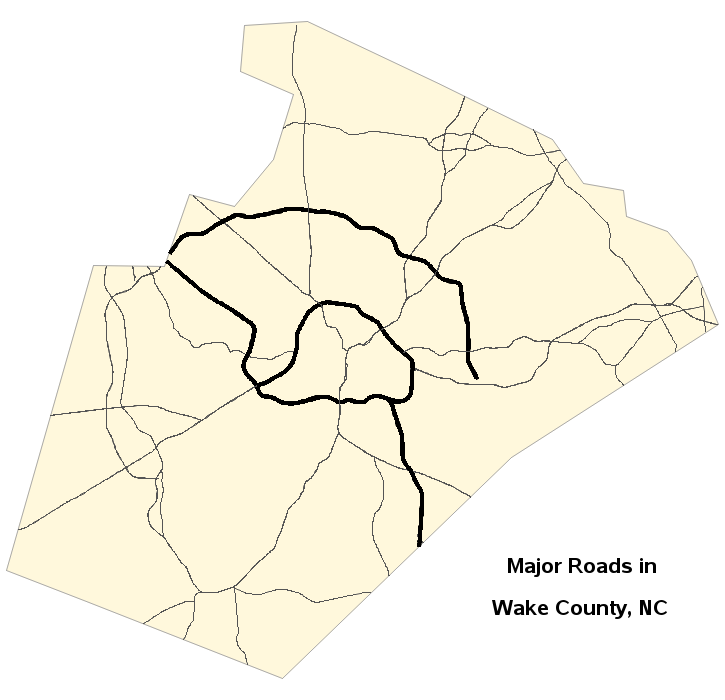

Have you been using the SAS/Graph Gmap procedure to plot your data on maps for years, but never knew you could add roads to your maps?!? Follow along in this blog post, and I'll teach you how... But before we get started, here's a picture of a nice aerial view


Health care fraud prevention is a sticky topic. David Loshin discusses what's needed to balance prompt claims payments with fraud prevention efforts.


Some would say that it's impossible for blind users to see charts and graphs. Those same people might have once said it was impossible for the visually impaired to see the particles that comprise an atom, or galaxies that are billions of light years away. Innovation would prove them wrong


Ok, let’s just get this out of the way first. I love coffee! I mean, I LOOOVE coffee! The smell, the taste, the morning ritual, I love it all! Now, having said that, my goal for this blog is to be as unbiased as possible, and to provide the facts
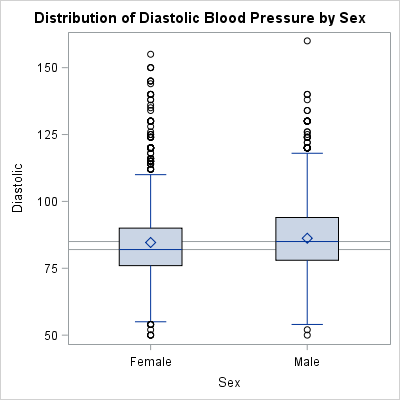
Sometimes SAS programmers ask about how to analyze quantiles with SAS. Common questions include: How can I compute 95% confidence intervals for a median in SAS? How can I test whether the medians of two independent samples are significantly different? How can I repeat the previous analyses with other percentiles,