All Posts


지난 4월, 미국 재무부 산하의 금융범죄단속반 ‘FinCEN(Financial Crime Enforcement Network)’이 북한을 자금세탁 및 테러자금조달 위험 국가로 지정하고, 금융 기관에 주의보를 발령했습니다. 트럼프 행정부가 들어선 이후 첫 발령인데요. 미국 우선주의를 제창하는 트럼프 정부와 고조되는 반테러 정서에 따라 미국 금융 당국의 AML 규제는 더욱 심화될 것이란 업계 전망입니다. 실제 최근 스탠다드 차타드
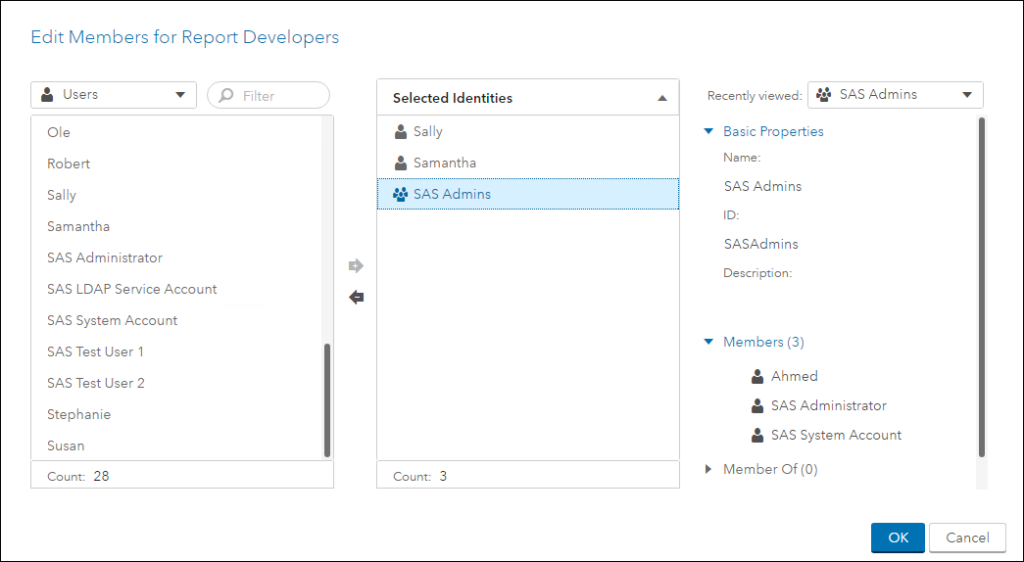

In this blog post I’d like to explore how to create a custom group in SAS Viya to restrict access to functionality. To illustrate my points, we will create a report developers custom group and ensure that only users of that group can create reports and analysis in SAS Visual Analytics.
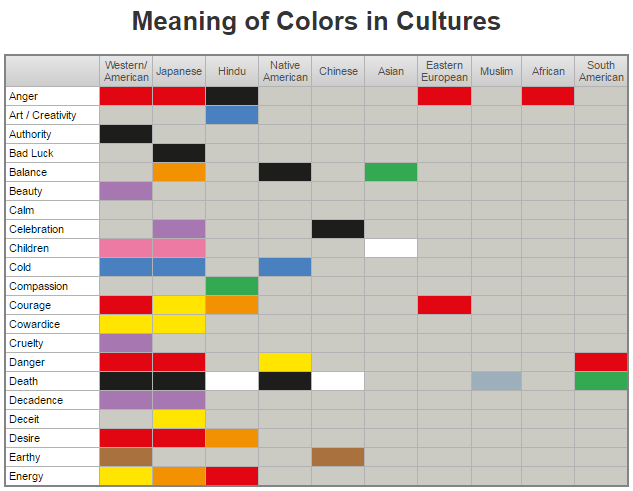

Choosing great colors for a graph is sometimes the most difficult part. And here is yet another thing you need to worry about ... sometimes colors represent different things in different cultures! In this blog post, I improve a graphic to help you get a grasp on those color-to-culture relationships.


David Loshin discusses big data identity resolution in a programming and execution environment.
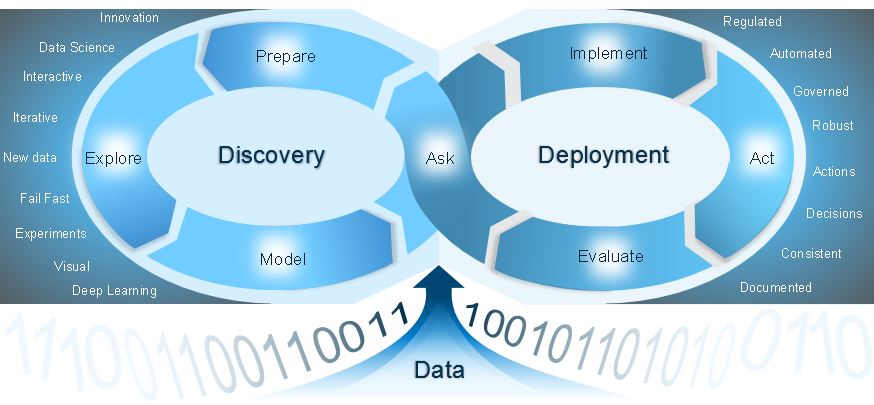

I'm sure I'm not the only one who has read and contributed to threads on the internet about all the different languages used for data mining. But one aspect that's been left out of most of these comparisons is that SAS is more than a 4th generation programming language (4GL).
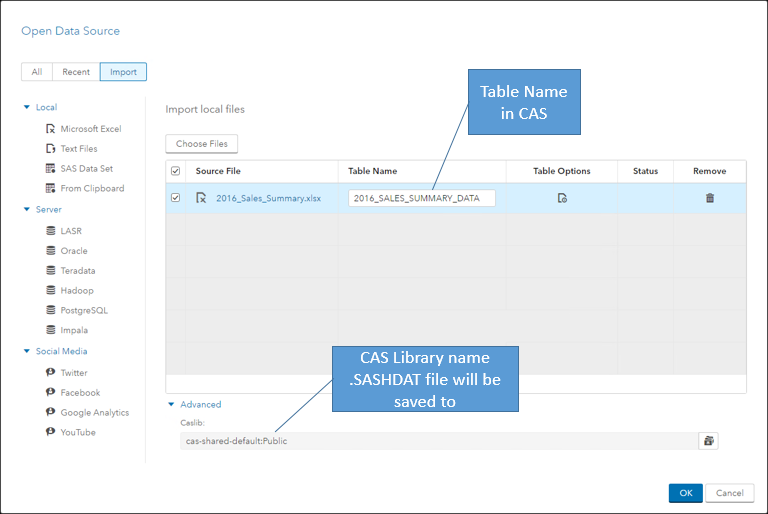

In my last blog, we examined the data pane in SAS Visual Analytics 8.1. That blog discussed how to have the data pane display the data items of your active data source, and how to perform tasks such as viewing measure details, changing data item properties, and creating geographic data items,
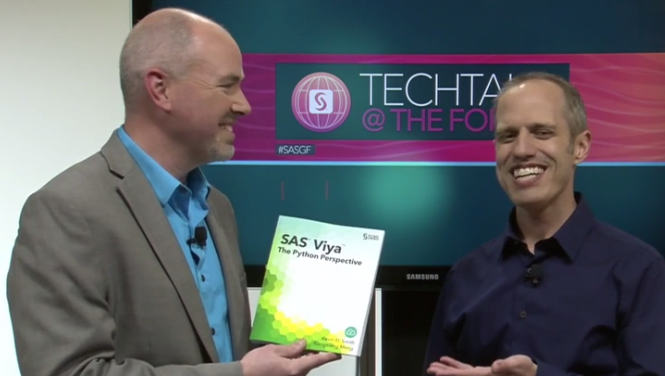

One of the big benefits of SAS Viya is how approachable it is for programmers of other languages. You don't have to learn SAS in order to become productive quickly. We've seen a lot of interest from people who code in Python, maybe because that language has become known for
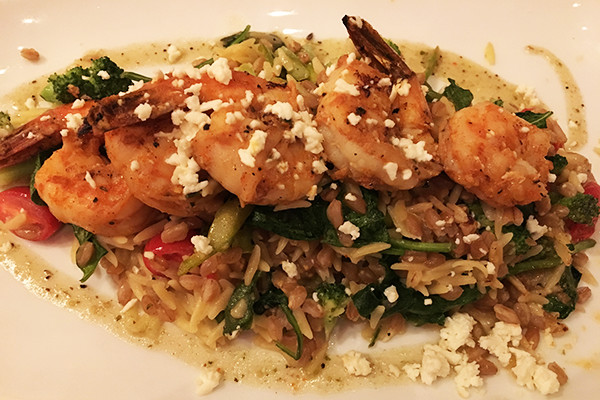

The average American household spends about 12.5% of income on food, with a shrinking margin of difference between money spent on groceries and at restaurants (57% versus 43%). With over 1 million restaurant establishments in the United States, it’s no wonder that dining out is now the norm rather than
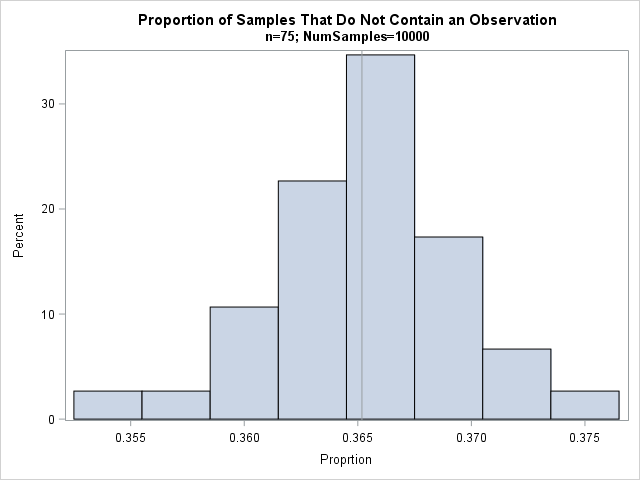

Suppose you roll six identical six-sided dice. Chance are that you will see at least one repeated number. The probability that you will see six unique numbers is very small: only 6! / 6^6 ≈ 0.015. This example can be generalized. If you draw a random sample with replacement from
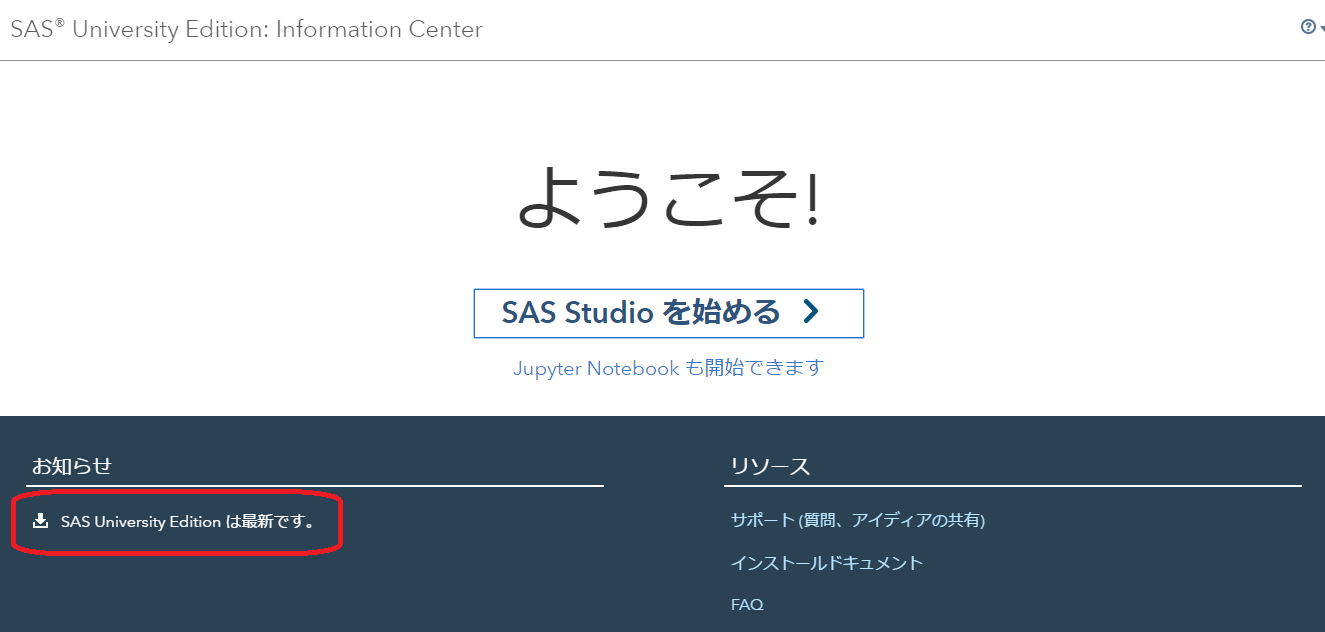

学術研究、教育、および自己学習の目的に無償で利用できる SAS University Edition は、毎年7月末にライセンスの期限が切れます。ライセンス期限の2ヶ月ほど前から、SAS University Edition Information Center にライセンス失効のお知らせと更新の案内が表示されますが、SAS University Edition のインストール時期によって必要な作業が異なりますので、以下に紹介します。 まずは、仮想マシンのSAS University Edition を起動し、表示されたURLから SAS University Edition Information Center にアクセスします。仮想マシンの起動後のウインドウで、URLが記載されている場所は下の画像を参考にしてください。(クリックすると画像が拡大されます。) SAS University Edition Information Center のデザインは、SAS Univeristy Edition のインストールの時期によって異なります。2016年12月以前にインストールした場合は、下の画面が表示されます。 こちらが表示された場合は、下記URLにアクセスし、新たにダウンロードした SAS University Edition を、仮想マシンに再登録する必要があります。 こちらが表示された場合は、左下の「お知らせ」にある「ダウンロード」ボタンから更新作業を行います。これ以降、ブラウザに表示される指示に従ってください。もし、うまく更新できない場合は、ブラウザのCookieを削除してからもう一度更新作業を行ってください。それでも更新できない場合は、上記URLから新たに SAS University Edition をダウンロードし、仮想マシンに再登録してください。 更新作業が完了すると、下の画像のように、SAS University Edition Information Center の「お知らせ」部分に、「SAS University Edition

Summer is here, which means vacations and time at the pool with a good book. If expanding your knowledge is a goal of yours this summer, SAS has a shelf full of new titles becoming available over the next few months. From new editions of classics – such as SAS® for Forecasting

I've found that when supporting others it can be helpful to simply normalize that it's ok to feel two things at once. Usually, one of the two is more "taboo". "Of course you are feeling disappointed by your friend's actions. Being disappointed doesn't mean you are not appreciative of the positive aspects of your friendship." "Of course you


Let me start by posing a question: "Are you forecasting at the edge to anticipate what consumers want or need before they know it?" Not just forecasting based on past demand behavior, but using real-time information as it is streaming in from connected devices on the Internet of Things (IoT).

In a previous blog, I demonstrated a program and macro that could identify all numeric variables set to a specific value, such as 999. This blog discusses an immensely useful technique that allows you to perform an operation on all numeric or all character variables in a SAS data set.


Matthew Magne describes how SAS Data Quality can help you build a trusted data foundation, one stone at a time.