All Posts


Each week in August, the Work/Life Team has invited educational experts to address concerns parents have in the process of choosing a school. For our third blogpost in this series, we have invited our experts to respond to the following questions: What factors should I consider when determining best fit


Phil Simon flip-flops from his last post.

A few examples to demonstrate some of the common output-related problems with ODS Graphics Procedures. If your graphical output does not appear as you wanted, consider the options that you are using and make sure that you are using the correct option.


In a world of fast, convenient, personalized service, customers expect businesses to go the extra mile to meet their expectations. How can organizations establish closer relationships, especially in crowded markets? With industry disruptors nipping at their heels, established companies are looking for fresh ways to strengthen relationships with new and


You know those movies where the two friends learn only years later that the perfect relationship they were looking for was right in front of them the whole time? It’s been kind of the same for me during my time here at SAS... well, minus the romance. When I joined

Por primera vez, Latinoamérica tiene un campeón del Tour de Francia. Se llama Egan Bernal, es colombiano y según los especialistas, se trata de un deportista prodigio que apenas empieza a construir una gran historia. Y es que, a sus 22 años, Egan es el cuarto ciclista más joven en
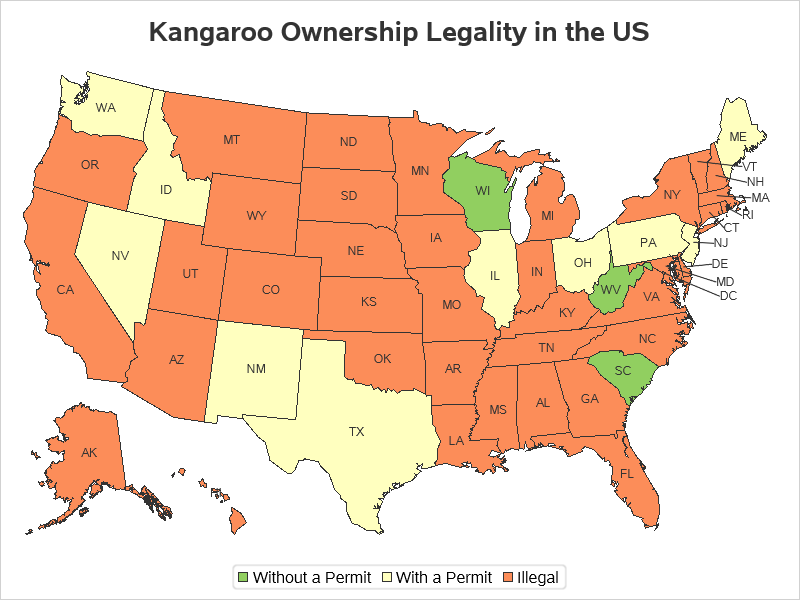

I saw an interesting kangaroo map on reddit, and although the data was deemed "not entirely reliable" it seemed like a fun topic. And also a good exercise to try out the map labeling capabilities in the new Proc SGmap choropleth maps in SAS! For those of you not really
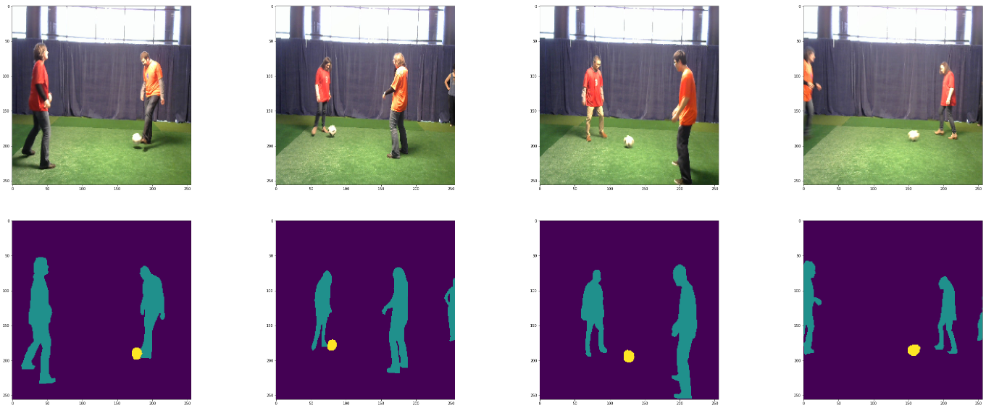

PythonからSAS Viyaの機能を利用するための基本パッケージであるSWATと、よりハイレベルなPython向けAPIパッケージであるDLPyを使用して、Jupyter NotebookからPythonでSAS Viyaの機能を使用してセマンティック・セグメンテーション(Semantic Segmentation)を試してみました。 大まかな処理の流れは以下の通りです。 1. 必要なパッケージ(ライブラリ)のインポートとセッションの作成 2. 画像データ内容の確認とセグメンテーション用データセットの作成 3. モデル構造の定義 4. モデル生成(学習) 5. セグメンテーション(スコアリング) 1. 必要なパッケージ(ライブラリ)のインポートとセッションの作成 swatやdlpyなど、必要なパッケージをインポートします。 %matplotlib inline # SWAT パッケージのインポート import swat as sw import sys # DLPy パッケージのインポート import dlpy from dlpy.network import * from dlpy.utils import * from dlpy.applications import * from dlpy.model


When we hear the words AI and call centres, we immediately imagine dialling a number, only to be greeted by a semirobotic voice (think Siri or Google). While it’s true that AI can be more efficient than humans (at some things), does it really mean that human call centre agents


Combining analytical resources and expertise from across the organisation is a prerequisite for effective, well-informed decisioning. How can your bank break down analytics silos and inspire a culture of collaboration? Organisational silos are holding banks back from driving innovation and meeting customer demands. When your customers expect convenient, personalised and


What comes to mind when you think of college living? Pulling an all-nighter in the library with a bag of chips and an energy drink? Late night pizza runs? Partying until the wee hours of the morning on any given night of the week? Living off cheap and easy microwavable


Many programmers are familiar with "short-circuit" evaluation in an IF-THEN statement. Short circuit means that a program does not evaluate the remainder of a logical expression if the value of the expression is already logically determined. The SAS DATA step supports short-circuiting for simple logical expressions in IF-THEN statements and


Este 10 de septiembre, el evento más importante de analítica en el mundo llega a Colombia. SAS Forum, nuestro evento con reconocimiento mundial en temas de Innovación, Big Data, Transformación Digital, IoT, Inteligencia Artificial, Cloud, Fraude, Ciberseguridad, Ciencia de Datos y Analítica Avanzada, se realizará por primera vez en Bogotá


MIT Sloan Management Review Connections Custom Research Report Resultados do Estudo Executivo Global Anual sobre Dados & Analítica Não há dúvida de que a Analítica e as tecnologias emergentes são essenciais para que se possa gerar mais valor para as empresas através dos dados. Mas há um aspecto essencial e transversal a


Across all industries, organizations are adopting a cloud-first strategy. What does it mean to be cloud-first? Broadly speaking, cloud first means using shared infrastructure instead of building and hosting your own private storage facility, systems, etc. Benefits of adopting a cloud-first strategy include cost savings and productivity improvements. However, what