All Posts


Na economia digital, a coleta e análise avançada de dados se tornaram fundamentais para oferecer uma experiência ao cliente personalizada. Mas, enquanto a tecnologia avança para tornar isso uma realidade, como é possível equilibrar personalização e privacidade? Ou, como criar uma governança de dados eficiente sem gerar entraves operacionais? Questionamentos


Agentic AI in insurance has potential to transform insurance. Read four use cases.
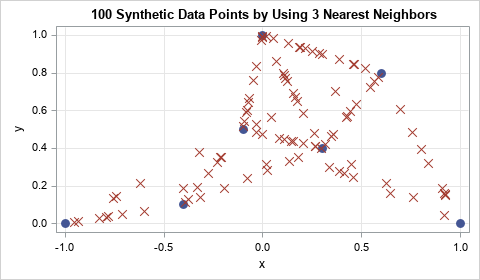

The Synthetic Minority Over-sampling Technique (SMOTE) was created to address class-imbalance problems in machine learning algorithms. The idea is to oversample from the rare events prior to running a machine learning classification algorithm. However, at its heart, the SMOTE algorithm (Chawla et al., 2002) is essentially a way to simulate
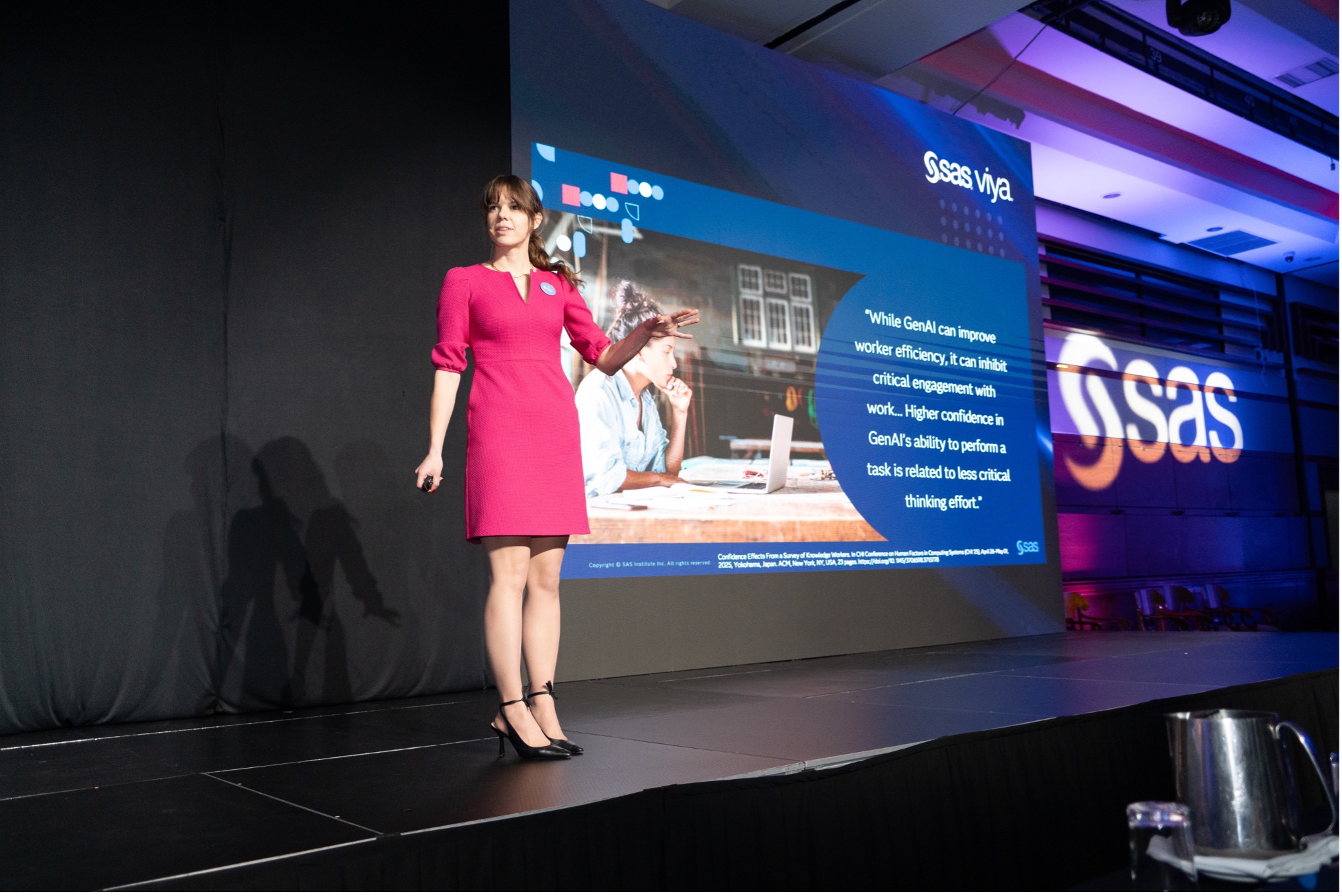

La Inteligencia Artificial (IA) ha dejado de ser una promesa futurista para convertirse en una realidad tangible en el mundo corporativo. Su adopción crece bastante rápido y en el caso de la IA generativa, el avance es aún más sorprendente: en sólo un año, su uso pasó del 37% al
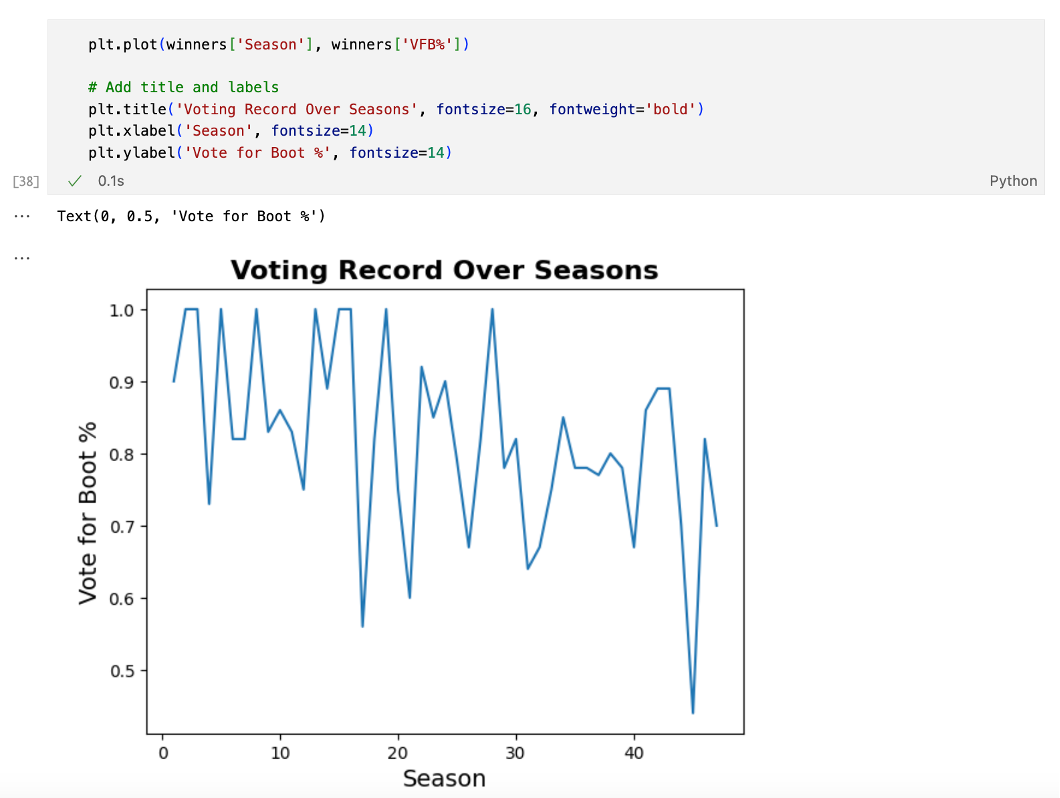

Using 47 seasons of Survivor data, this analysis explores what gameplay traits correlate with winning, applying Python and SAS Viya Workbench to build predictive models. While stats like challenge wins and voting accuracy help narrow down potential winners, the findings suggest that intangible social dynamics play the most decisive role.


AI agents are no longer confined to labs and prototypes. They’re shaping how we live, work and make decisions. From customer service bots and self-driving cars to robotic surgical assistants and virtual companions, these systems now influence real outcomes in society. This is the first blog post in a series


What insurance companies need to know about the Fundamental Rights Impact Assessment (FRIA) The EU Artificial Intelligence Act (EU AI Act) is ushering in a new era of accountability and transparency for organizations deploying AI systems – particularly in high-impact sectors like insurance. The Fundamental Rights Impact Assessment (FRIA) is


As agentic AI systems evolve through protocols like MCP and A2A, traditional security practices must be adapted to address new risks such as goal misalignment and tool instruction abuse. This article explores practical threat modeling strategies, including goal alignment cascades and distinguishing between parameter-only vs. instruction-enabled tool calls.


The health care industry has more data than it can utilize in meaningful decision-support capabilities. Whether it is the volume, the velocity, or the variety of the data, wrangling insights from this incessant stream is a never-ending and complex task. Enter the age of AI, where an agent can synthesize
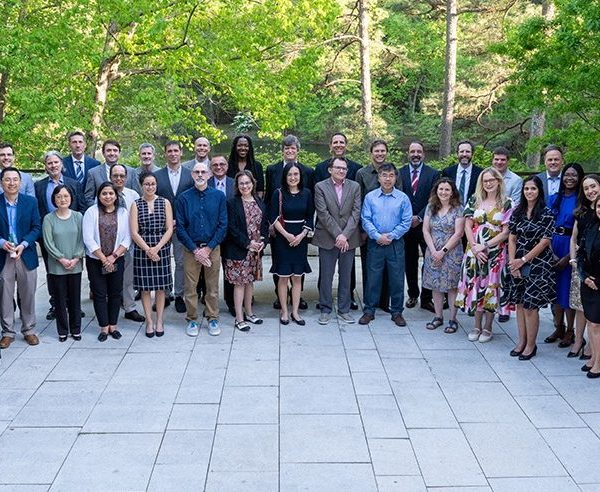

2024 patents represent innovative, never-before-seen technology and solutions SAS inventors were honored at the 20th annual Patent Dinner at The Umstead Hotel. In 2024, 44 patents were issued to SAS employees, representing technological advances in grid computing, software development testing, AI, wearable health devices, digital advertising, fraud protection and more.


While most people are familiar with Vitamin K1, which is essential for blood clotting, Vitamin K2 has unique benefits that are just beginning to be fully understood.


As someone deeply involved in the world of data science and artificial intelligence, I've seen firsthand how AI and machine learning have rapidly evolved from abstract concepts into indispensable tools shaping our everyday lives and industries. Across health care, finance, marketing and cybersecurity, these technologies are not merely enhancing operations


The financial industry is evolving at an unprecedented pace. Regulatory frameworks are becoming more complex, customer expectations are shifting and financial risks are emerging in new and unexpected ways. Because of this, relying on outdated risk management systems is no longer sustainable. Banks must adopt data-driven strategies to remain competitive


Als Marketer haben Sie wahrscheinlich schon von MadTech gehört. Falls nicht, ist das kein Problem – es ist nie zu spät, um einzusteigen. Sehen wir uns also an, worum es sich bei MadTech genau handelt, warum es wichtig ist, die Hintergründe und drei Tipps, wie Sie sich in einer von


The demand for public sector efficiency is higher than ever. Civil servants are working with tighter budgets, smaller teams and rising expectations. Despite their efforts, critics and stakeholders believe they could still do more. If there has ever been a time for a miracle, it is now. AI is a promising