All Posts


SAS: Un pionero que sigue liderando Desde su inicio como proyecto académico en la North Carolina State University en 1976, SAS se ha consolidado como un líder global en analítica e inteligencia artificial. Durante casi cinco décadas, la compañía ha capacitado a las organizaciones para transformar datos en información estratégica,

La analítica como escudo frente a las ciberamenazas En el mundo digital hiperconectado de hoy, las ciberamenazas evolucionan a gran velocidad, y las defensas tradicionales como cortafuegos y antivirus basados en firmas ya no son suficientes. Los atacantes utilizan técnicas cada vez más sofisticadas, incluyendo ataques de día cero, amenazas
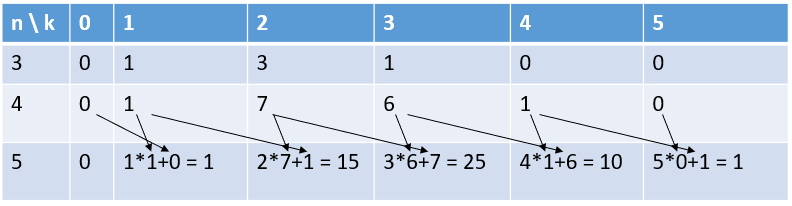

In probability and statistics, special numbers are used to compute probabilities by counting the number of ways certain events can occur. The most famous are combinations and permutations. Both are used to count the ways to arrange or select items from a set. If a set contains n elements: A


If you’ve ever heard someone mention a “SAS User Group” and thought, “What does that actually mean?” you’re not alone. These groups are a cornerstone of the SAS ecosystem – but unless you’ve attended a meeting or conference and seen them in action, they can feel a little mysterious. Let’s break


The banking industry is at a crossroads. With rising customer expectations, intense competition, ever-evolving regulations and mounting cost pressures, financial institutions must transform – or risk falling behind. Enter agentic AI, an advancement in artificial intelligence that’s poised to redefine how banks operate, serve, and grow. What is agentic AI?


Imagine you're embarking on a road trip to your favorite vacation destination. Like most travelers today, you rely on a GPS to guide you. But not all GPS systems work the same way. Some provide a rigid, pre-planned route that doesn’t account for real-time changes. Others dynamically adapt and reroute


En SAS creemos en el poder de la colaboración. Ayudamos a las entidades financieras a apoyar a sus clientes en momentos difíciles, creando un escenario en el que todos ganan. Una buena estrategia de recobro no solo mejora los resultados financieros, sino que también puede convertirse en una herramienta de


Every year, millions roll up their sleeves for the flu shot—but how can we ensure those vaccinations pack the strongest punch? While vaccine effectiveness varies by season and circulating strain (which we can’t control), lifestyle factors can actively enhance the body’s immune response to the flu vaccine.


“What’s in the box?” This question can come from a joyous child tearing into a nondescript package – or it can come from Brad Pitt’s infamous line in the crime thriller Seven. Most of the time, what’s in the box ends with smiles and laughter. In banking, though, the “box”


This is the third in a five-part blog post series that delves into modernizing marketing strategies through the integration of advanced marketing platforms. I had the pleasure of interviewing Shaun Memon of Munvo for this series, where we discuss a wide range of topics, from fragmented MarTech stacks, first-party data


When it comes to exceeding “average,” school districts know it’s no easy feat. Improving student academic growth and achievement takes hard work, careful planning and a clear vision. Leaders like Kim Buryanek – the superintendent for Iowa’s Denison Community School district – and Nick Bradley, assistant principal at Denison Middle


Generative AI (GenAI) has moved past its experimental phase. It is now deeply embedded in core business workflows, from sophisticated financial modeling and predictive analytics to dynamic content creation and strategic decision-making. This means the very definition of a “job-ready” professional has dramatically changed. Global surveys reveal the same trend:
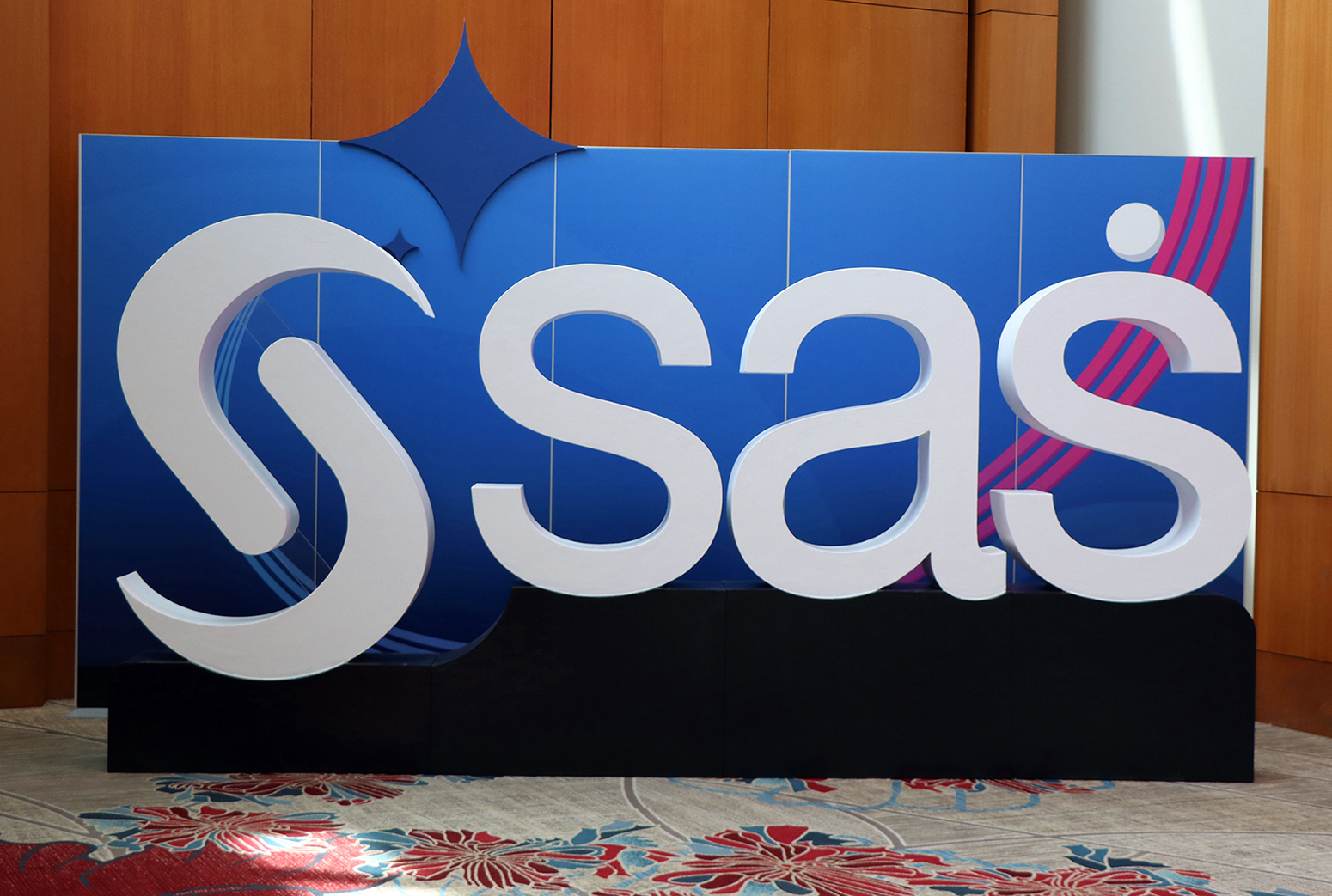

SAS Innovate on Tour México fue simplemente extraordinario. El 9 de septiembre, Ciudad de México se convirtió en el epicentro de la innovación con propósito. Reunimos a líderes empresariales, expertos técnicos y visionarios del sector público para explorar cómo los datos y la inteligencia artificial pueden transformar decisiones, procesos y


With AI emerging as an increasing priority for organizations across all industries, it is critical for business and technology leaders to ensure AI is adding transformational value. That was the central theme in a recent conversation SAS CTO Bryan Harris had with streaming news channel Ticker. Harris shared his perspective
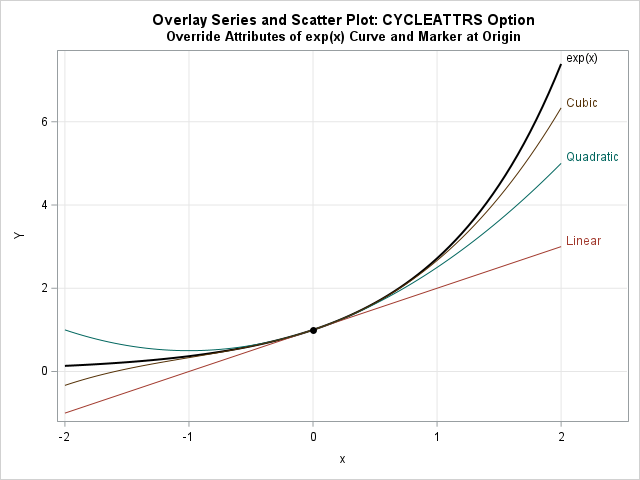
I've often wondered about the logic that the SGPLOT procedure in SAS uses to determine whether a set of graphical overlays will receive identical attributes or different attributes. (Recall that color, size, line style, and marker symbol are all examples of attributes.) I know that when you plot grouped data