SAS Users
Providing technical tips and support information, written for and by SAS users.
Public Health Transformation: Ways to use SAS Viya

We demonstrate a few common and essential public health functions using SAS Viya. Our goal is to show the art of the possible within the realm of accessibility.
SAS Administrators: Check out the new and improved support site

SAS has redesigned the support page made just for administrators to provide them with a seamless experience to install and maintain their SAS environment.
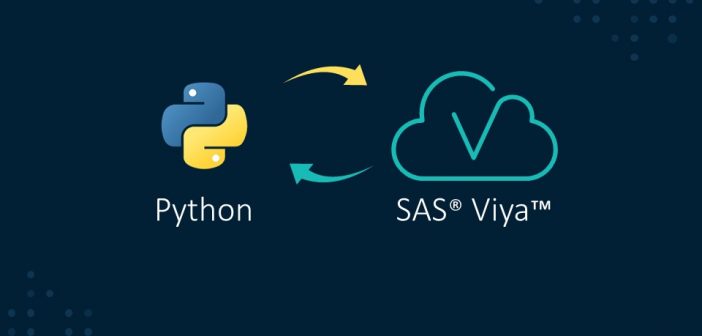
Getting Started with Python Integration to SAS® Viya® - Part 18 - Update rows in a table

Welcome to the continuation of my series Getting Started with Python Integration to SAS Viya. In this post I'll discuss how to update rows in a distributed CAS table. Load and prepare data in the CAS server I created a script to load and prepare data in the CAS server. This