SAS Users
Providing technical tips and support information, written for and by SAS users.

It is imperative for developers, whether hardware or software engineers, to foresee unintended (probable or improbable) system usages and implement features that will make their creations foolproof, that is protected from misuse. Learn more about developing foolproof solutions with this old Russian anecdote.
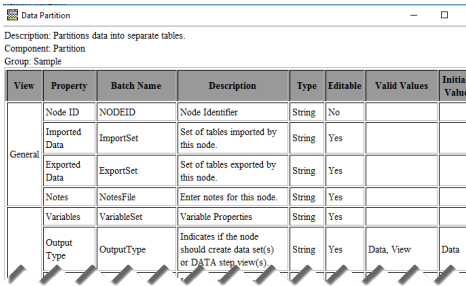

SAS Enterprise Miner has been a leader in data mining and modeling for over 20 years. The system offers over 80 different nodes that help users analyze, score and model their data. Here are the Top Ten Tips for Enterprise Miner from a user with more than 20 years of experience.
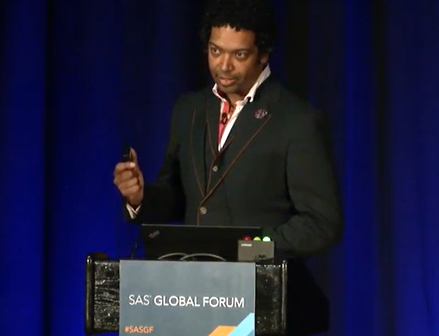

SAS Viya is our latest extension of the SAS Platform and interoperable with SAS® 9.4. There were a number of SAS Viya presentations at SAS Global Forum 2018. In this series, we will review several of the most interesting talks. This post reviews Hadley Christoffels’ talk, A Need For Speed: Loading Data via the Cloud.