All Posts
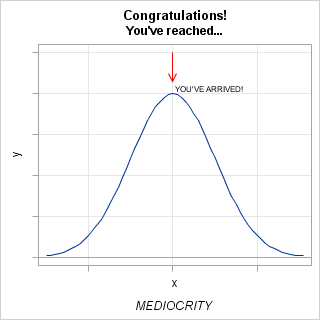

So many of us struggle with this mountain. In fact, 68.27% of us get within sight of reaching the summit (while 95.47% of us are at least on a perceivable slope). We run, walk, crawl and sometimes slide our way uphill (from one direction or the other) until we finally
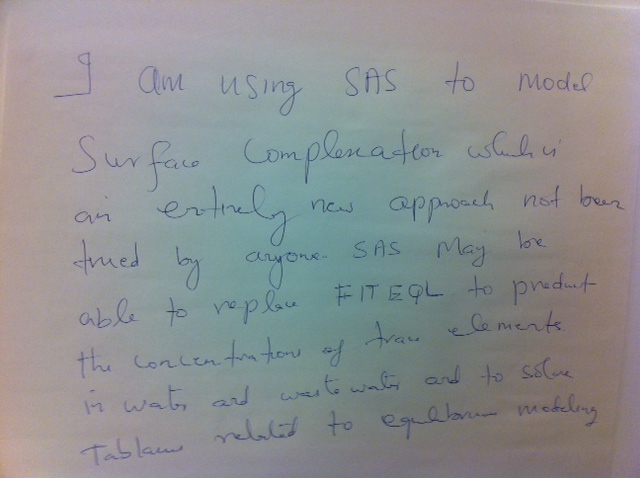

What is surface complexation? Everyday I have to look something up on Google or in the dictionary. For example, do you know what a Cthulhu is? I had to search for that term after I tweeted that I thought a SAS surface plot graph was beautiful. Mike Nemecek from SAS

Here are a couple of bar charts showing the city mileage of cars by Type and Origin using the SGPLOT procedure from the sashelp.cars dataset. title 'Vehicle Mileage by Type'; proc sgplot data=cars; format mpg_city 4.1; vbar type / response=mpg_city stat=mean datalabel; xaxis display=(nolabel); run; title 'Counts by Country'; proc sgplot

Note: as this is a popular topic, I've added a few notes with minor updates, including a link to a popular how-to tutorial video. In case you missed it, the first maintenance release for SAS 9.3 was recently released. Because we're all friends here, you may call it "SAS 9.3M1"


The single most costly employee benefit for any organization is health insurance, and the price is going up. From 2003-2009, the costs per hour worked for employee health insurance increased from $1.03 to $2.00. These costs continue to increase from 5%-7% per year. The reality is that employee health insurance costs will continue
Many cities and counties are taking the lead of private industry and developing 311 call centers to consolidate incoming calls for service and information requests from citizens. The business advantages are clear: Citizens have one number to call for service and information rather than having to waste time searching for


All too often an unspeakable tragedy leads to a needed policy or operational change through a newly-realized criminal justice system gap. While we continually work to minimize existing gaps, the reality is that as law enforcement evolves, so does the crime and so do the criminals. In recognition of those
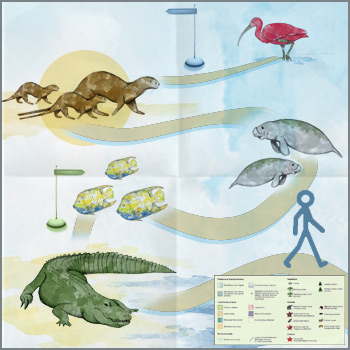

SAS Global Forum 2012 is just around the corner, and even those who have attended for the past 36 years need guidance in what to do and see. I thought it might be good to create a little users guide for the event: A blog series that will showcase some
Recently we discussed the features of the Shiller Graph, showing long term housing values in the USA. To understand the features necesary in the SGPLOT procedure to create such graph easily, it was useful to see how far we can go using GTL as released with SAS 9.2(M3). I got the data Shiller Housing index data
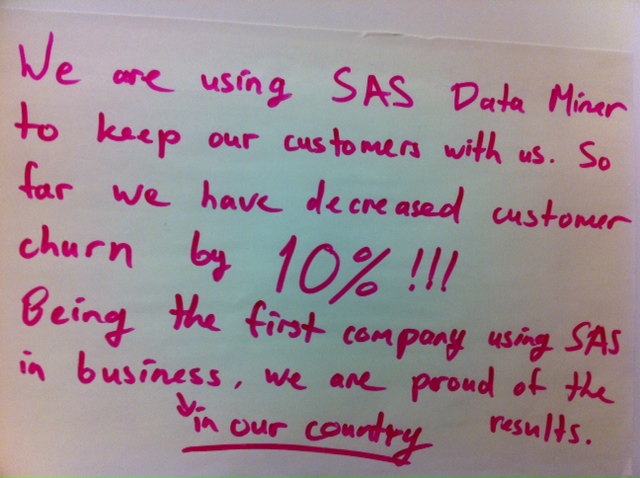
Churn is a huge concern for insurers, credit card providers and telecommunications companies - even utilities. This Post-It Note author says that his company has found a way to reduce customer turnover - churn - by 10 percent using SAS Data Miner.

An issue that SAS/GRAPH users have wrestled with in the past has been how to put tick marks at irregular intervals on their axes. In PROC GPLOT, if you specify irregular intervals using the ORDER option on the AXIS statement, the procedure’s axis kicks into a “discrete” mode, where the
Sadly, SAS did not three-peat as the No. 1 Best Company to Work For on Fortune’s famous list, but from my point of view, SAS will always be No. 1. It’s not the Healthcare Center or the Pharmacy on campus. It’s not the daycare or the four cafés, also on

No, I’m not late posting this - early, actually. The Chinese New Year begins January 23. The 15-day celebration is a time to spend with friends and family and welcome longevity, good fortune, wealth and happiness. My husband visits China often for work, and some dear friends of ours just
Cities and counties are responsible for building and maintaining the infrastructure to support a broad range of services. Local governments must develop and implement multiyear capital projects plans that provide infrastructure for things such as jails, courts, public office buildings, streets, bridges, parks, athletic complexes and community centers, water treatment

Here at SAS Publishing, we’ve started the new year off with a bang, particularly when it comes to conferences. We’re attending a number of new shows in addition to the usual lineup this year. Visit our booth, meet our authors, check out our new and forthcoming titles, and talk with