All Posts


I enjoyed SESUG 2013 this year and not just because I love hanging out in St. Pete Beach soaking in the sun but also because I was able to “geek out’ with some of my favorite SAS folks. Andrea Zimmerman and Mira Shapiro did an awesome job with the conference.


Microsoft Windows 8 has been with us for a year, and its first major update -- Windows 8.1 -- has just arrived. So how does SAS support these Windows 8 platforms? The answer can be found on support.sas.com in SAS Note 46876. I'll summarize it here: SAS 9.3 and SAS
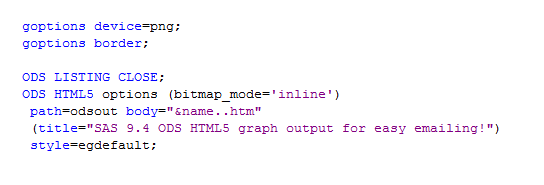

SAS 9.4 allows you to create html5 output with your graph inline (as part of the html), providing a great way to email your SAS/Graph output! Previously, if you used ods html and dev=png to create graphs, you had to deal with two files -- a png file (containing the graph)
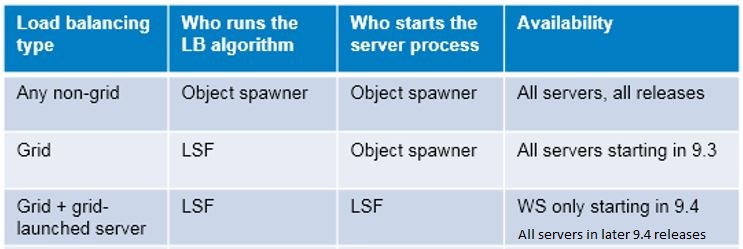

SAS 9.4 has been out for some time now, and all SAS grid computing enthusiasts know that one of the new features is that SAS Workspace Server processes can be directly launched on the grid. (See The Top Four User-Requested Grid Features Delivered with SAS® Grid Manager 9.4.) What does


Before that headline really scares you, let me clarify - there hasn't been a single fraud scheme that managed to pull off a $2 trillion haul (yet). However, the fact remains that as rising scams, schemes, the gray market, work under the table and good old tax evasion escalate, as

A couple of weeks back I described q way to create a Schedule Chart using the SGPLOT procedure. In that case, I used the HIGHLOW plot to draw bar segments, both for a single and grouped case. A natural extension is to create one with links between each segment. So,
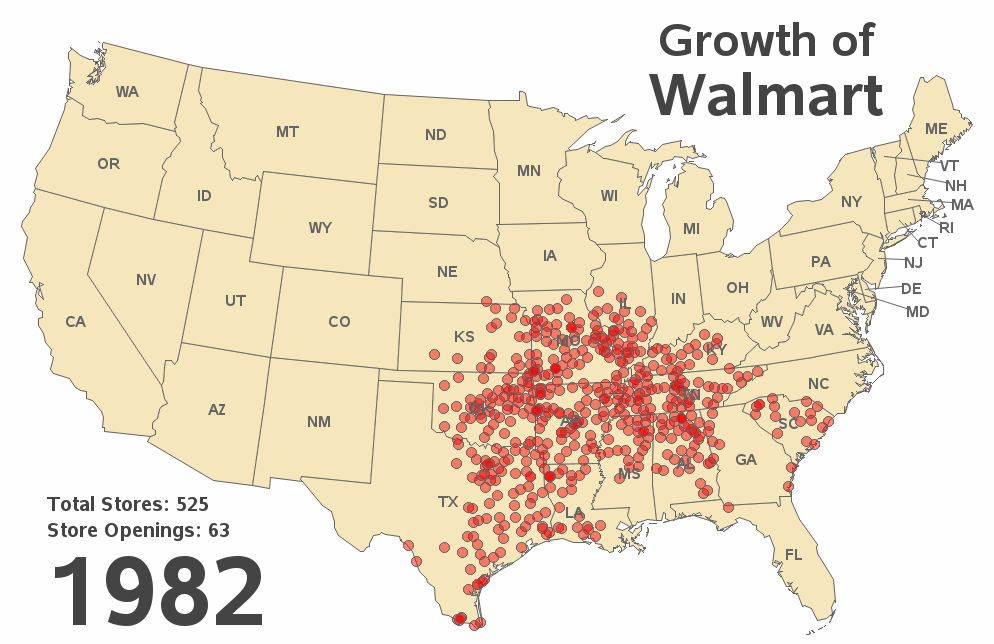
SAS has been used to track the spread of many things, such as wild animals, tornadoes, and money launderers -- but this time I'm using it to track the spread of Walmart stores across the U.S. over time! Since its start in the 1960s, Walmart has grown to be the largest
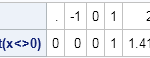

I was looking at someone else's SAS/IML program when I saw this line of code: y = sqrt(x<>0); The statement uses the element maximum operator (<>) in the SAS/IML language to make sure that negative value are never passed to the square root function. This little trick is a real
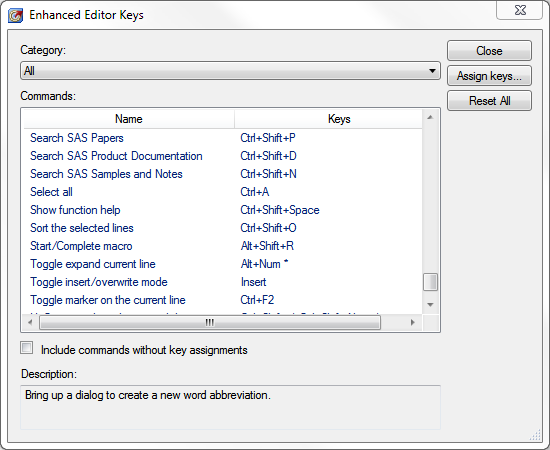
Okay, given the title of this article, I might be overselling the content a bit. Read on to see if your life will be transformed. I've just returned from SESUG, and this question came up during one of the presentations. While this tip might seem basic, it was news to
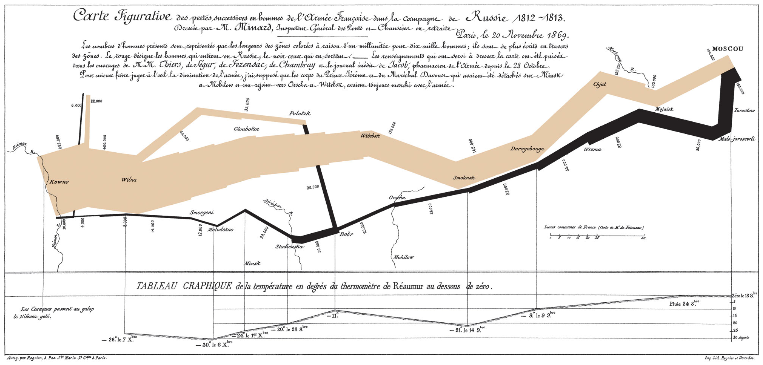
Many people today just use their computer to play Angry Birds or post pictures of their most recent meal on Facebook ... but what would some of the great minds of the past have done with a computer?... For example, Charles Minard was creating impressive information graphics without a computer over 100 years ago,


SAS conferences are amazing events, with great presentations, keynote talks, classes and workshop, experts from the SAS Institute, networking opportunities and so much more! With so many things to do and so much happening at once, SAS conferences can be overwhelming. Plan to get the most out of your conference
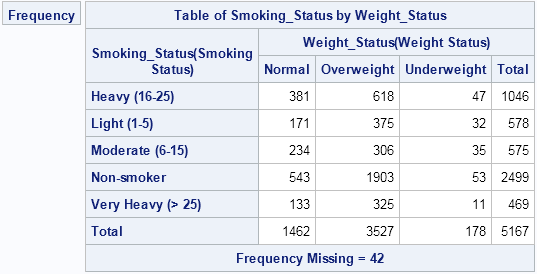
If you've ever tried to use PROC FREQ to create a frequency table of two character variables, you know that by default the categories for each variable are displayed in alphabetical order. A different order is sometimes more useful. For example, consider the following two-way table for the smoking status
I am happy to report that my new book "Getting Started with the Graph Template Language in SAS" is now shipping. A colleague suggest it would be useful to post some articles with the same theme of "Getting started". I thought that was a great idea, and decided to start a new


Stick to the basics. Did you ever get that advice? Two of the papers at MidWest SAS Users Group 2013 used that most fundamental of SAS processing concepts—the Program Data Vector—to show why users might encounter unexpected errors in their DATA step programs. In The Secret Life of DATA STEP,

In SAS Grid Manager environments, SAS administrators must often set up separate configurations based on a mix of requirements for departments, client applications and user roles. To accomplish this in previous SAS releases, administrators must define multiple SAS Application Server contexts, each with its own grid server definition and associated options.