All Posts

In reference to a previous article on Violin Plots, a reader asked about creating comparative mirrored histograms to compare propensity scores. While I had my own understanding of "Mirrored Histograms", I also looked this up on the web. Google showed many cases of two histograms back to back, either horizontally or vertically.


With the others, I filed into the school gymnasium, my super zoom camera lens at the ready and a nervous smile on my face. Across the room, I caught a glimpse of my unsmiling daughter, and my apprehension grew about how this awards day program would play out for her.

If you’re not an expert on encryption, have no fear! SAS 9.4 has introduced ways to bring stronger encryption to your SAS deployment. The good news is that SAS/SECURE is now a part of Base SAS when you upgrade to SAS 9.4 and is not a separately licensed product anymore.

The holidays are upon us! As you may have experienced, Thanksgiving often serves as the starter pistol for the holiday weight gain marathon. Don’t let holiday collateral damage be the impetus for your New Year’s resolutions this year. A little planning and mindfulness can keep the joy in your season
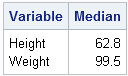

When I call R from within the SAS/IML language, I often pass parameters from SAS into R. This feature enables me to write general-purpose, reusable, modules that can analyze data from many different data sets. I've previously blogged about how to pass values to SAS procedures from PROC IML by
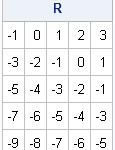
In using a vector-matrix language such as SAS/IML, MATLAB, or R, one of the challenges for programmers is learning how to vectorize computations. Often it is not intuitive how to program a computation so that you avoid looping over the rows and columns of a matrix. However, there are a
In the first article on Getting Started with GTL, we discussed the basics on how to create a graph using the Graph Template Language. This involved the creation of a "statgraph" template using the TEMPLATE procedure, and then associating data with the template to create the graph using the SGRENDER


Did you submit content for SAS Global Forum 2014? We know content is king, which is why we wanted to get a sampling of the content out on the SAS Global Forum website as soon as possible. However, don't be alarmed if you don't see your presentation listed. You
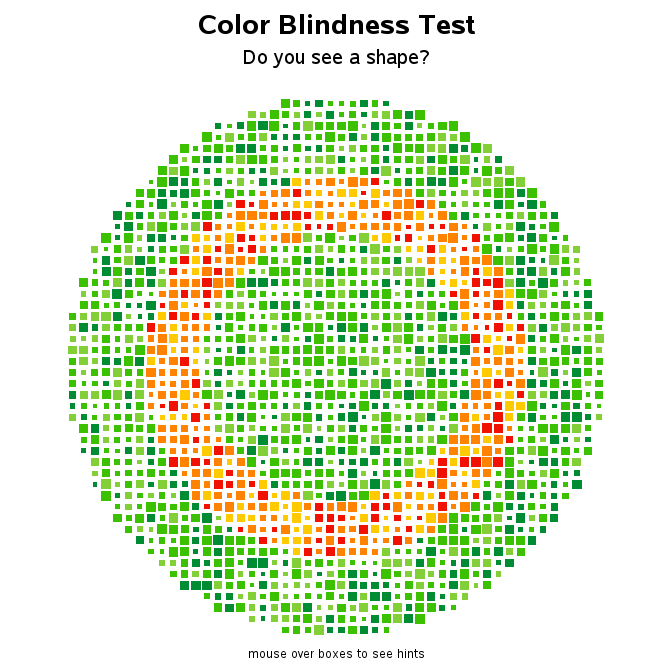

I'm always trying to find new uses for SAS - this time I've written a proof-of-concept that shows how you might use SAS to create charts that test for color blindness. If nothing else, I think it's a fun example :) First, I did a Google search, and looked at several
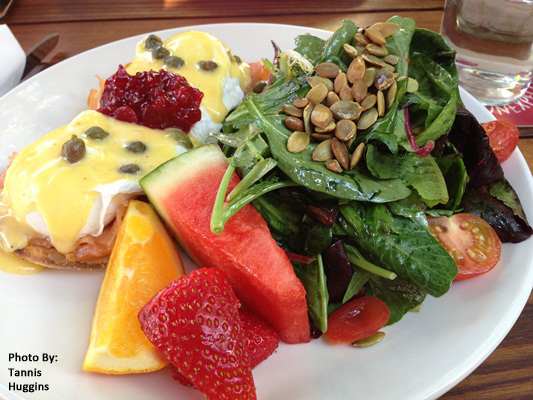
In the blink of an eye, summer is gone, fall is slipping by and winter is quickly approaching. Though hopes of snow flurries enter our minds, we often think of winter as a season of germs. Your annual flu shot and regular hand washing are a great start to preventing
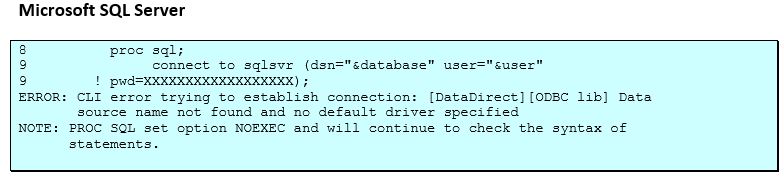

Wow did the summer fly by! Now that grad school is over, it’s about time to resume the “it’s all about the data” series. In the last several posts, I tried to lay a foundation for understanding how SAS stores and manages data for use in business intelligence and analytic
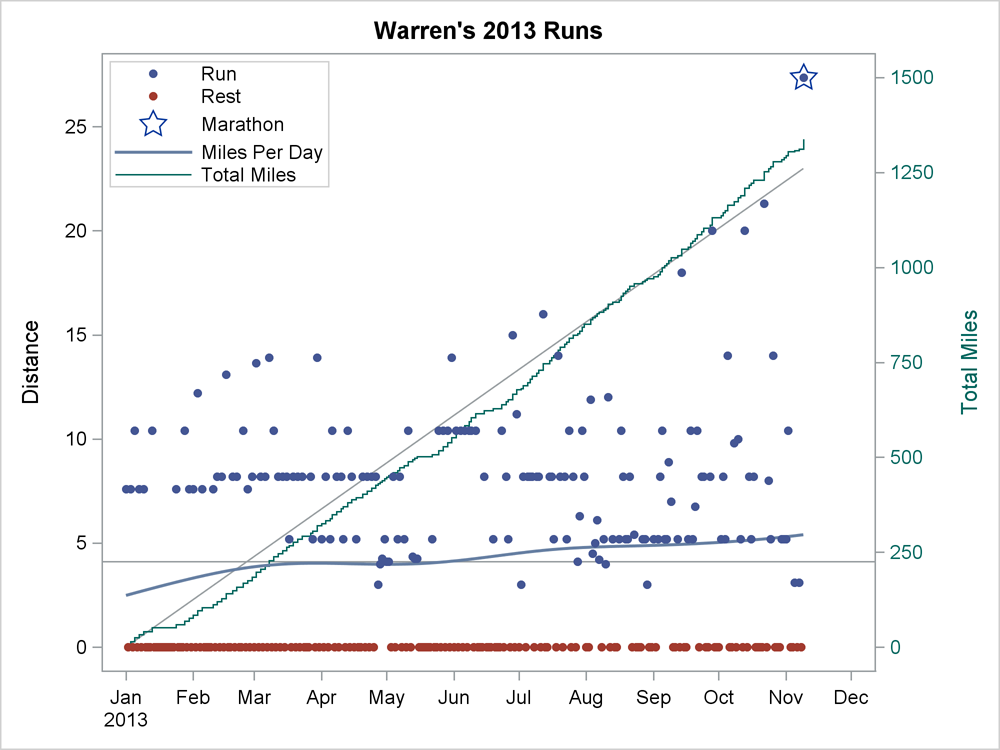

I decided this year to get serious about my running. I started recording my distance for every run. I made a SAS data set and generated simple reports. After a few weeks, I set a goal of averaging one marathon a week (3.8 miles per day, 26.2 miles per week,
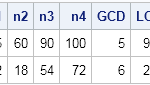
My daughter's middle school math class recently reviewed how to compute the greatest common factor (GCF) and the least common multiple (LCM) of a set of integers. (The GCF is sometimes called the greatest common divisor, or GCD.) Both algorithms require factoring integers into a product of primes. While helping
Working at SAS, I consider myself fortunate to have the best employee benefits in the industry. That is one of the factors placing SAS as one of the best companies to work for worldwide, and often THE best company to work for in USA. Given that, I was curious to know the kind


Data. Google uses ours every day, and most people aren't concerned. When our government is looking over our shoulders, however, tensions rise quickly. On the one end lies the recent scandals with the National Security Agency (NSA), which is apparently spying on you, me, and Angela Merkel. On the other lies case after case