All Posts

It is always a pleasure to attend SAS user conferences, regional conferences and in-house events. In addition to presenting papers, seminars and super demos to the attendees myself, my favorite activity is to attend presentations by users that include graphical data visualization. These include using SG procedures, GTL, Designer or SAS/GRAPH. This year

Each year my siblings choose names for a Christmas gift exchange. It is not unusual for a sibling to pick her own name, whereupon the name is replaced into the hat and a new name is drawn. In fact, that "glitch" in the drawing process was a motivation for me

As the “Year of Statistics” comes to a close, I write this blog in support of the many statisticians who carefully fulfil their analysis tasks day by day, and to defend what may appear to be demanding behavior when it comes to data requirements. How do statisticians get this reputation? Are we


There are 2 kinds of people in the world -- those who dread change, and those who look forward to it. Which kind of person are you, when it comes to upgrading your SAS software?!? With most software (such as Windows OS, Facebook, Gmail, etc) I tend to fall into


Another day, another scam defrauding insurers and governments. For purposes of full disclosure, the case I'm highlighting today comes from Washington's Labor and Industries (L&I), the agency where I formerly worked and headed up fraud prevention efforts, and the investigation dates back to my time there. During my time there,
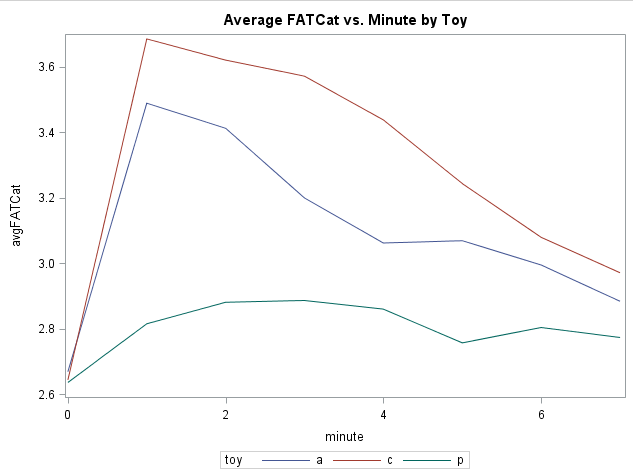

“Dear Cat, In a repeated measures drug study, I am unsure what to do with the baseline measurement. Since it is one of the time points in my study, I feel like I should use it as one of the dependent variable measurements. But I have seen analyses where baseline
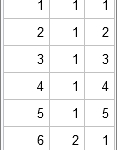
If you write an n x p matrix from PROC IML to a SAS data set, you'll get a data set with n rows and p columns. For some applications, it is more convenient to write the matrix in a "long format" with np observations and three columns. The first
In recent conversations with many SAS users at NESUG, SESUG and WUSS, a pattern emerges on the question of creating graphs with SAS or R. Many SAS users are aware of the new graph features in SAS that create high quality graphs with minimum fuss. But, many have not actually used

Are you in the market for a new car? Perhaps you are researching how the various parameters of cars match up to each other? Well, in SAS 9.4 Maintenance 1 release, ODS Graphics will support a new versatile plot: the polygon plot. As the name suggests, it lets you draw


This is a continuing topic of the SAS Administration and Performance blog series. In the last edition, I discussed why you need to do a technical assessment prior to planning your SAS deployment. Yes, this step takes time, but you’ll find it far easier to implement the suggested tuning guidelines


The holiday season is here, and you're probably wondering how to shop for that picky SAS Enterprise Guide user on your gift list. I've got a few ideas for you, and the price is right! Here are links to 11 custom tasks that are free to download, easy to install,
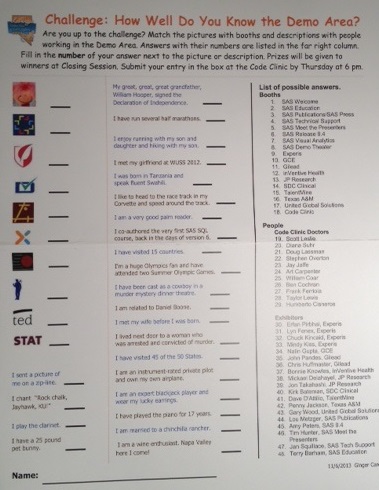

. . . getting to know all about you! Everyone says it—getting to know other SAS users is the best part of a SAS conference. The other “best part” are the resources available in the exhibits and demo areas. I’d have to agree. Well, this year’s organizers at the 2013


What's your favorite part of attending SAS Global Forum? With the many presentations, networking event and valuable SAS knowledge available, many attendees may find it difficult to pick just one thing. I asked the Best Contributed Paper winners from SAS Global Forum 2013 to share both their most memorable moment from

For several years, there has been interest in calling R from SAS software, primarily because of the large number of special-purpose R packages. The ability to call R from SAS has been available in SAS/IML since 2009. Previous blog posts about R include a video on how to call R


Wavelet analysis is an exciting and relatively new field of study that enables one to extract underlying patterns either from spatially varying or temporally varying data. Pixel values representing the relative brightness and color that constitute an image are an example of spatially varying data, and daily variations of financial