All Posts


This blog post discusses the use of a black background in a graph. But before we get started, I invite you to have a listen to one of my favorite songs - "Paint it Black" by the Rolling Stones. Perhaps this song subliminally persuaded people to use black backgrounds in


In this edition of our “We Heard You” blog series, we present responses to the surveys you submitted last year with your suggestions and feedback about the scheduling and structural changes introduced in 2014. We sifted, synthesized, and prioritized changes based upon trends and your great ideas! Here are a

In today’s era of digital marketing, advertisers have access to innovative tools and platforms, which enable them to provide Internet users with more personalized ads. Furthermore, in exchange for such helpful and free service, people do not mind sharing a little bit of personal information as it helps them find


In February of this year, the Washington Business Journal reported the US Government appointed its first Chief Data Scientist, DJ Patil. With this, I think it’s now safe to say that Data Science is officially sanctioned as new mode in organizations. Those that can apply the necessary finesse along with


In the Cold War techno-thriller WarGames, a marine monitoring a nuclear missile silo deep under the Nevada desert sees a red warning light blink on his console. “Just flick it with your finger,” his colleague tells him. He does, and the bulb goes out. Problem solved. But what will their


In Microsoft Excel, a PivotTable can help you to create an interactive view of summarized data. Within a PivotTable, it’s easy to adjust the dimensions (columns and rows) and calculated measures to suit your ad-hoc reporting needs. You can also create a PivotChart – similar in concept to a PivotTable, but


Do you ever have stress dreams? You know, where you’re taking an exam for which you haven’t studied, or you’re forced to wait tables in a sea of angry restaurant customers? For many of us, the stress nightmare of the modern era involves trying to make sense of a never-ending
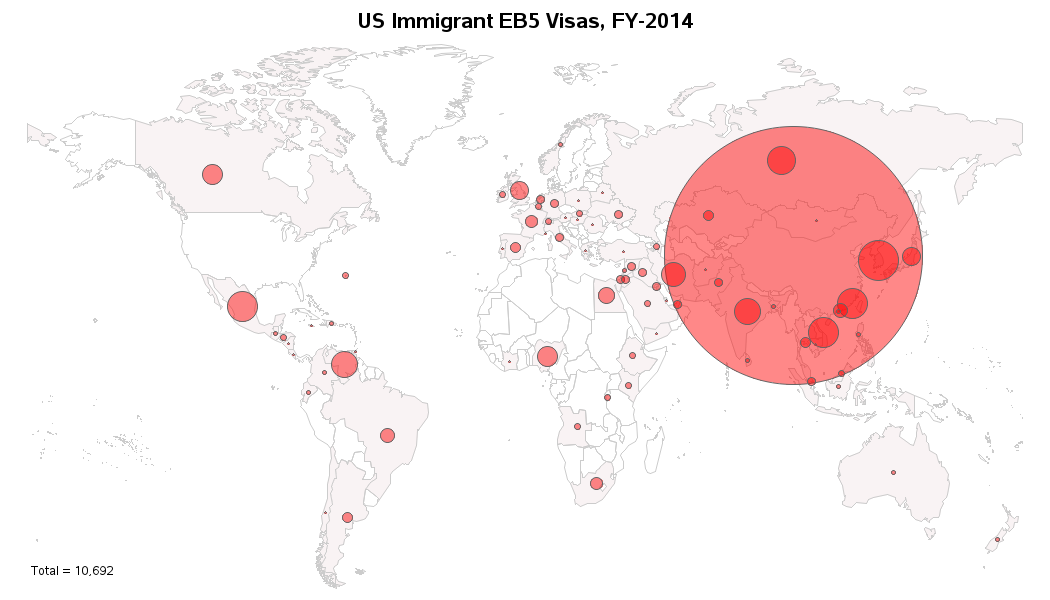
Having spent many years in graduate school, and living in the Research Triangle Park (RTP) in North Carolina, I have a lot of friends from other countries. Therefore when I recently saw some stories & graphs about EB-5 visas (where you invest a cool half-million US $ to bypass the
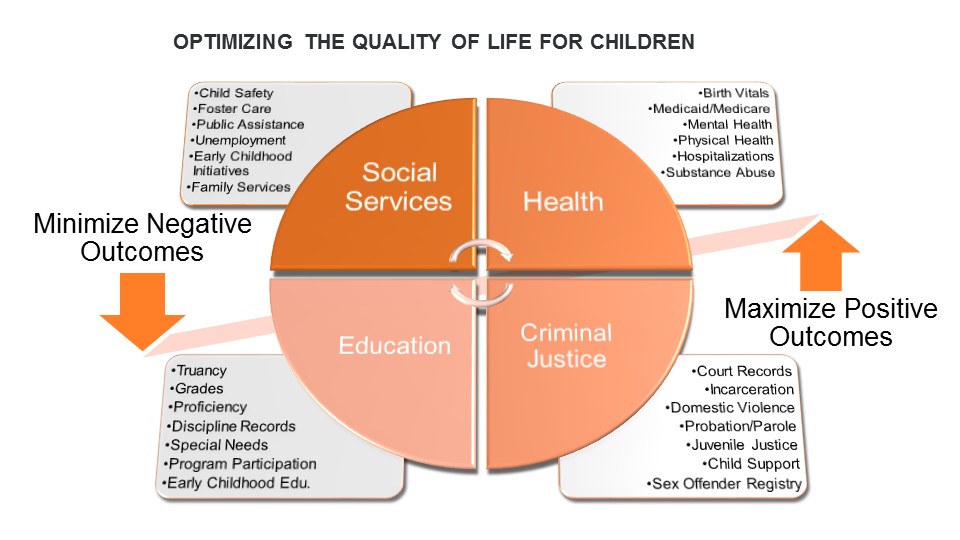

March is national Social Work Month and this year the National Association of Social Workers celebrates its 60th anniversary of facilitating positive social changes and improving the lives of individuals and families. Social work is a profession that considers the needs of others every day. Individuals who dedicate themselves to


It’s March and everyone is enjoying the madness, at least in the US. We are watching 68 college basketball teams compete for the title of NCAA Champion. Those of us watching get involved by selecting a bracket, that is, picking who will win each game. Some pick their alma mater.


Jim Harris says the question of who owns big data is no longer an esoteric concept – it's a frequently debated topic.


En la implacable economía de hoy, las organizaciones que compiten con analítica se quieren destacar por ser más inteligentes que su competencia, y es apenas obvio. Sin embargo, pueden enfrentarse con un problema: la necesidad de profesionales cualificados que sepan cómo manejar y generar información procesable que fluya a través


In a noisy distribution environment, hotels are in significant danger of becoming commoditized. Differentiating themselves not only from the competition, but from the third party distributors, will be crucial to maintaining a competitive edge, or even just maintaining profitability. In an effort to connect better with guests, most hotel companies
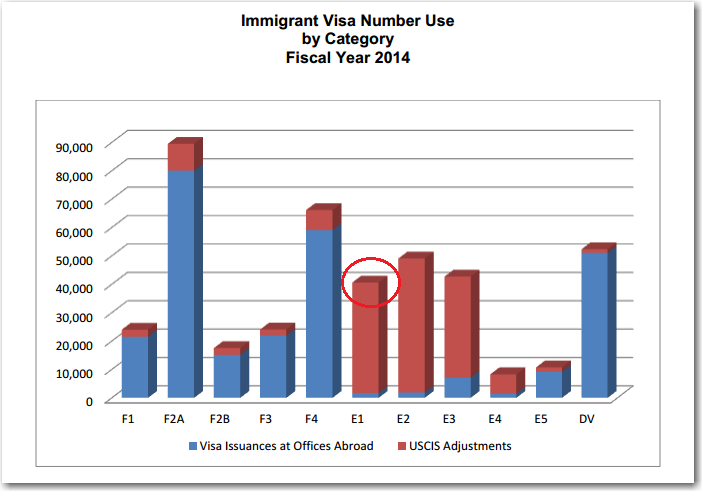
Everyone loves a good conspiracy theory - hopefully you'll enjoy mine about the number of US E1 visas! I was perusing some of the US government charts, and found one on US immigration visas that caught my attention. It was a 3D bar chart, and since I always mistrust 3D


Thank goodness, winter is behind us! Hopefully it took all the germs with it. I hope you were able to dodge the cold and flu bullets this winter. If not, now’s the time to give your body, immune system and eating plan a refreshing kick start. Starting today, build these