All Posts
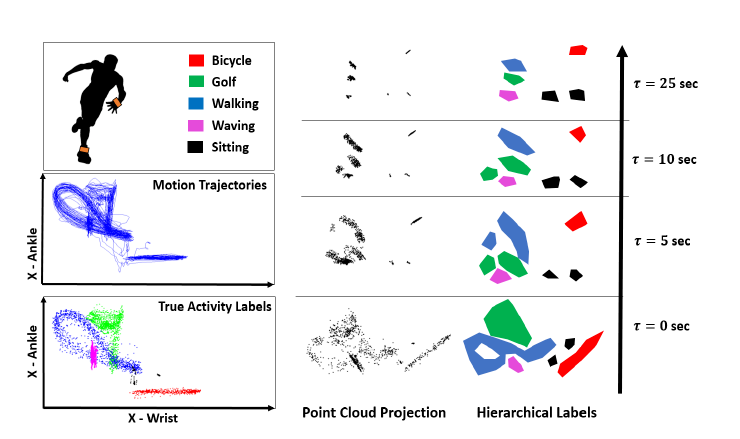

Machine learning applications for NBA coaches and players might seem like an odd choice for me to write about. Let us get something out of the way: I don’t know much about basketball. Or baseball. Or even soccer, much to the chagrin of my friends back home in Europe. However,


As a SAS administrator, you may face situations where you need to locate content that has been modified in the system since a given point in time. If the system has many content developers, discovering all of the folders, libraries, tables, reports, explorations, and similar items that have been modified can be
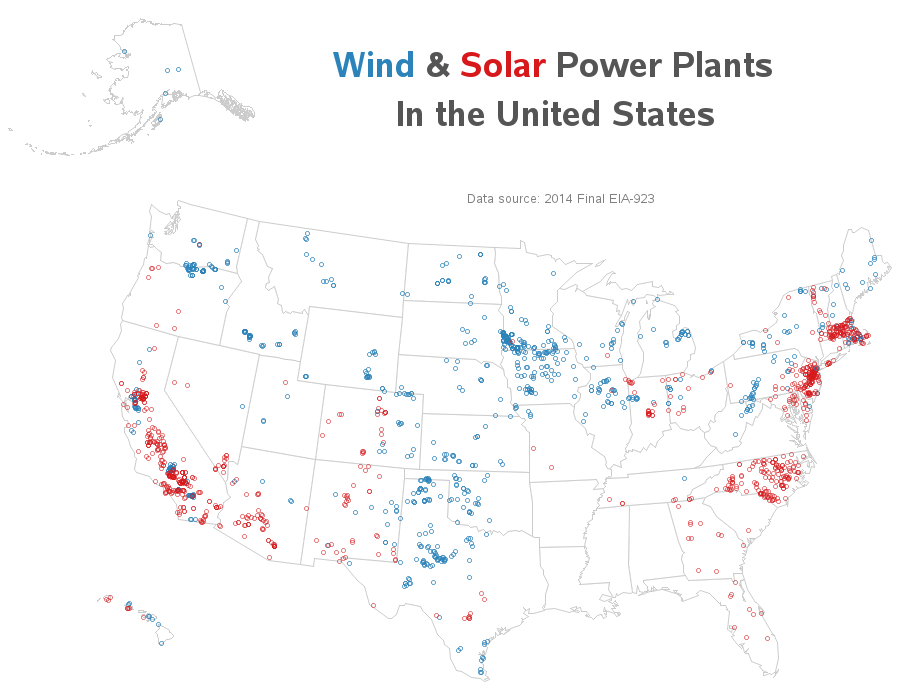

Where is solar and wind power generated in the US? Let's visualize this data on a map... I recently saw the following map on the metricmaps.org website. It caught my attention because it looks like North Carolina has a lot of solar power plants, whereas our neighboring states have very few.


Ante los vertiginosos avances tecnológicos que el mundo ha vivido en las últimas décadas, y sobre todo en los últimos años, la perspectiva y el rumbo de los negocios ha cambiado de manera significativa, pues han surgido herramientas y formas de tomar decisiones que han revolucionado el mundo empresarial. A


If your enterprise is working with Hadoop, MongoDB or other nontraditional databases, then you need to evaluate your data strategy. A data strategy must adapt to current data trends based on business requirements. So am I still the clean-up woman? The answer is YES! I still work on the quality of the data.
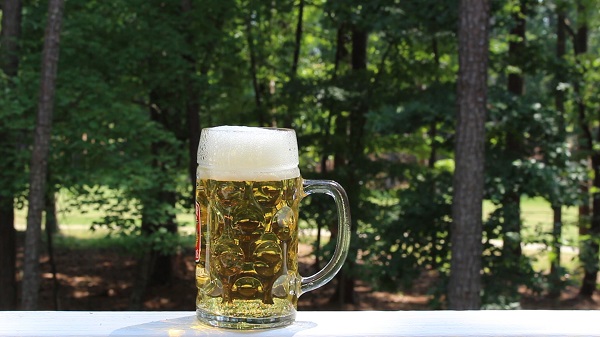

I recently returned from my annual family beach vacation. It’s my family and my husband’s family, so around 35 or 40 of us in all. As you can imagine, there is a lot of beach time, huge dinners, and a lot of drinking.


El Congreso Panamericano de Riesgo de Lavado de Activos y Financiación del Terrorismo, organizado en Cartagena por la Asociación Bancaria de Colombia -Asobancaria, tuvo este año dos hechos especiales: el análisis de los retos que en esta materia tienen las instituciones financieras colombianas y la presencia de SAS. Durante el

When I think of the Western Users of SAS Software conference, I think of my first event in 1994. I was just starting to learn SAS and wanted to meet others in my region who were also excited about the software. Meeting and discussing SAS topics face to face at the
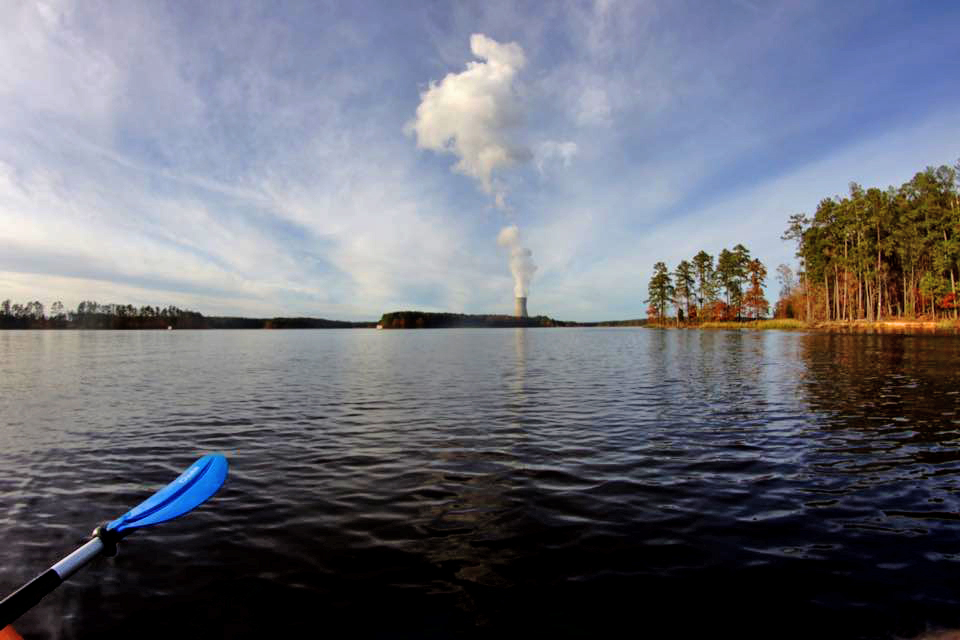
I ran across a map recently that seemed to show a lot of US states are primarily coal-powered. The map was a little difficult to read, so I decided to give it a SAS makeover ... Before we get started, here's a picture my friend David took of the Shearon Harris Nuclear Power
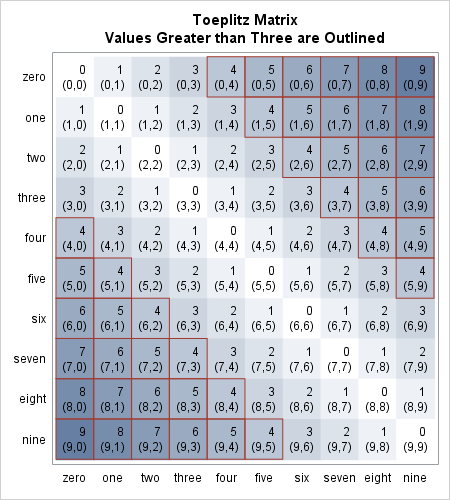

There are many ways to use a heat map. For big data sets, heat maps provide a substitute for scatter plots. Heat maps can also be used to enhance small tables. Several of my colleagues (Sanjay Matange, Pratik Phadke, Rick Wicklin, Chris Hemedinger, and probably others) have posted about using


The demand for data preparation solutions is at an all-time high, and it's primarily driven by the demand for self-service analytics. Ten years ago, if you were a business leader that wanted to get more in-depth information on a particular KPI, you would typically issue a reporting request to IT

SAS formats are flexible, dynamic, and have many uses. For example, you can use formats to count missing values and to change the order of a categorical variable in a table or plot. Did you know that you can also use SAS formats to recode a variable or to bin


There has been much discussion about the relationship between data science and artificial intelligence. It can become a complicated dance when applied data science is partnered with emerging artificial intelligence technologies. Who takes the lead? How do we keep the beat? Can we make sure neither party steps on the


Stretches the front of the body, ankles, thighs, abdomen, chest, throat and hip flexors. Strengthens back muscles and improves posture. Bow Pose (Sanskrit: Dhanurasana)
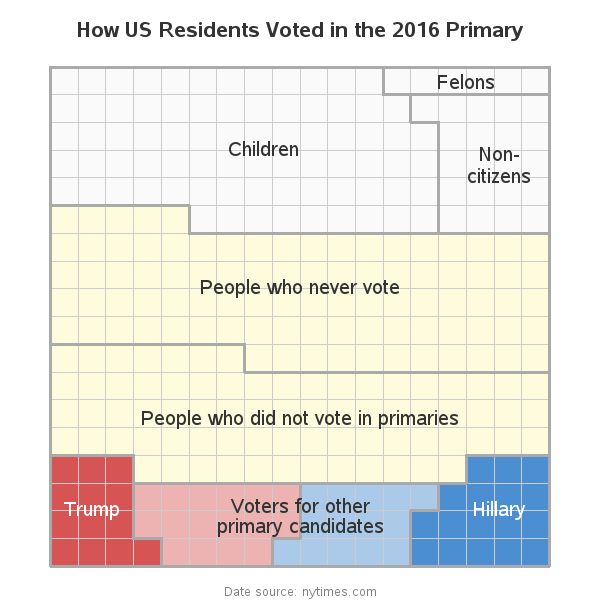
How is it that 91% of the US didn't vote for either Hillary or Trump in the primary, but yet they're still the final two candidates in the presidential election? Let's break it down with a simple graph! I recently saw a really cool slideshow on the nytimes website, that answered